







Introduction:Drip bags combine convenience with quality, making them a daily choice for many coffee enthusiasts. This article details the correct brewing method for drip bags, including key factors such as water temperature, coffee-to-water ratio, and pouring rhythm. It also recommends representative drip bag products for the three major flavor profiles—floral & fruity, fermented, and roasted—to help you find the perfect match based on your personal preferences.
Thanks to their blend of convenience and quality, drip bags have gradually become the go-to choice for many coffee lovers. Without the need for complicated equipment, just hot water and simple steps, you can enjoy a coffee experience close to pour over. This article will delve into the brewing techniques of drip bags, analyzing step-by-step how to brew a well-balanced cup—from water temperature and coffee-to-water ratio to pouring methods—and recommending suitable floral & fruity, fermented, and roasted drip bag options based on different flavor characteristics.
Before brewing, it’s especially important to choose a drip bag that aligns with your taste preferences. Commonly available drip bags on the market can be roughly divided into three categories: floral & fruity, fermented, and roasted. Each type, due to differences in roast level and origin, presents a distinctly unique flavor profile.
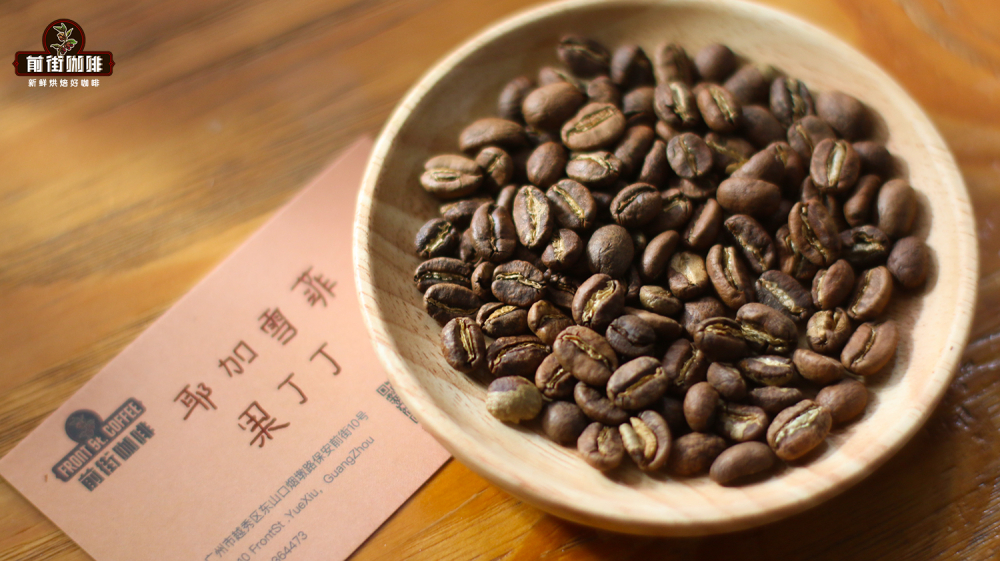
Floral & fruity drip bags typically feature bright acidity and a refreshing taste, with less noticeable bitterness, making them suitable for drinkers who enjoy fresh flavors. Taking classic washed processing as an example, these coffees often carry citrus, berry, and other fruity acidity notes, accompanied by floral or honey-like aftertastes. For instance, a washed Yirgacheffe-flavored drip bag, with its clean and bright mouthfeel and lively acidity, is very suitable for coffee beginners or those who prefer fresh fruit flavors.
Fermented drip bags, on the other hand, showcase rich notes of ripe fruit and high sweetness, with relatively low acidity and unobtrusive bitterness, resulting in an overall rounded and layered flavor. Common processing methods like honey processing can enhance sweetness and fruitiness. For example, a drip bag product that combines high-quality single-origin beans from Costa Rica and Panama—possibly including the renowned Geisha variety—uses honey processing to bring out intense sweet aromas, making it an excellent choice for drinkers who enjoy a balanced combination of fruitiness and sweetness.
As for roasted drip bags, most are medium to dark roasted, with common flavor characteristics including caramel, nuts, dark chocolate, cream, and spices. They are known for their bold body and long-lasting aftertaste. These drip bags usually have higher intensity and a full mouthfeel, suiting drinkers who prefer dark roast flavors. For example, Golden Mandheling or Queen Estate-flavored drip bags are representatives of this flavor profile, ideal for when you need a pick-me-up or want to enjoy a rich coffee experience.
Here are some practical parameters and step suggestions for brewing drip bags. Most commercially available drip bags clearly indicate the amount of coffee grounds, commonly 10 grams, saving you the trouble of weighing them yourself.
In terms of water volume and temperature, it is recommended to usea coffee-to-water ratio of 1:15 to 1:16, meaning 10 grams of coffee grounds to 140 to 150 milliliters of water. The final volume of brewed coffee is advised to be within this range. As for water temperature,it is recommended to use hot water at around 90°C. Using a thermometer or temperature-controlled kettle is ideal; if not available, you can turn off the heat once the water boils, leave the lid open, and let it sit for about 2 to 3 minutes. At a room temperature of 28°C, the water temperature will usually drop to around 90°C, which is suitable for drip bag brewing.
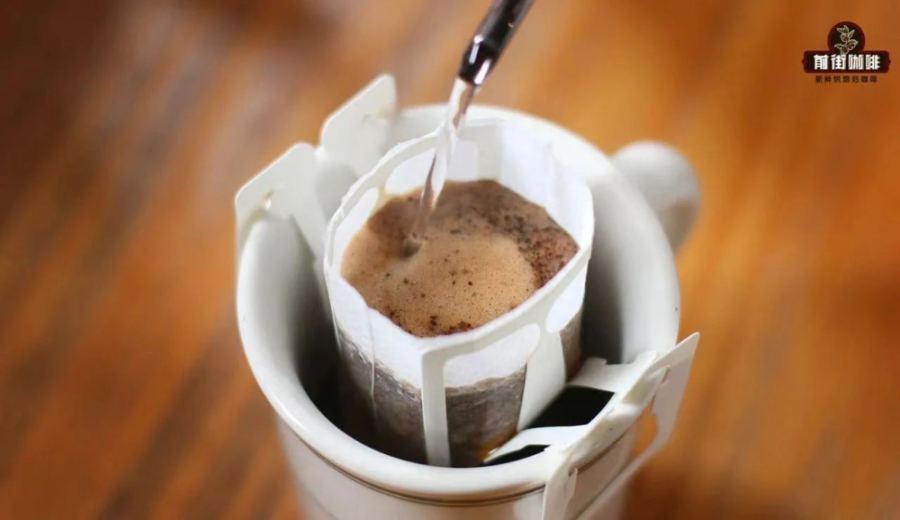
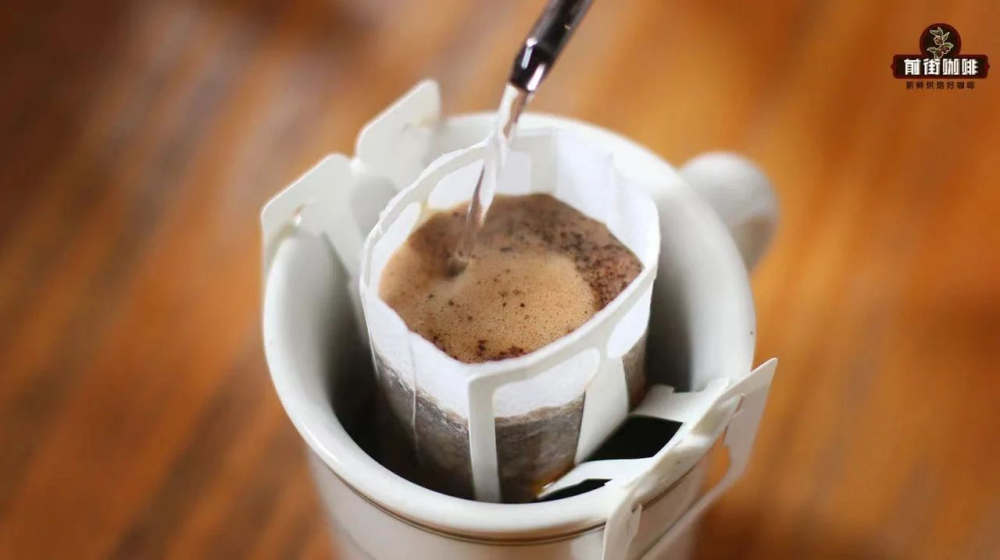
The actual brewing steps are as follows: First, tear open the sealed opening of the drip bag, unfold the two “ears” on the sides, and securely place the filter bag on the rim of a mug or cup. Gently shake it to evenly distribute the coffee grounds. Next, proceed with the first pour, aiming to fully wet the coffee grounds—this step is called blooming, and it is recommended to bloom for 30 seconds to help release the flavors.
After blooming, begin the second pour. It is recommended to use a fine stream of water and pour slowly in a circular motion until the water level drops slightly, then continue pouring. Repeat this process until the total brewed coffee volume reaches 140 to 150 milliliters. If you prefer more precise control over water volume, you can pre-fill the pouring kettle with 150 to 160 milliliters of hot water, pour it all in, wait for the coffee to completely filter through, and then remove the drip bag. The entire process takes about 1 minute, making it simple and convenient.
The above content is compiled by CoffeeHunters, a coffee news website.


