







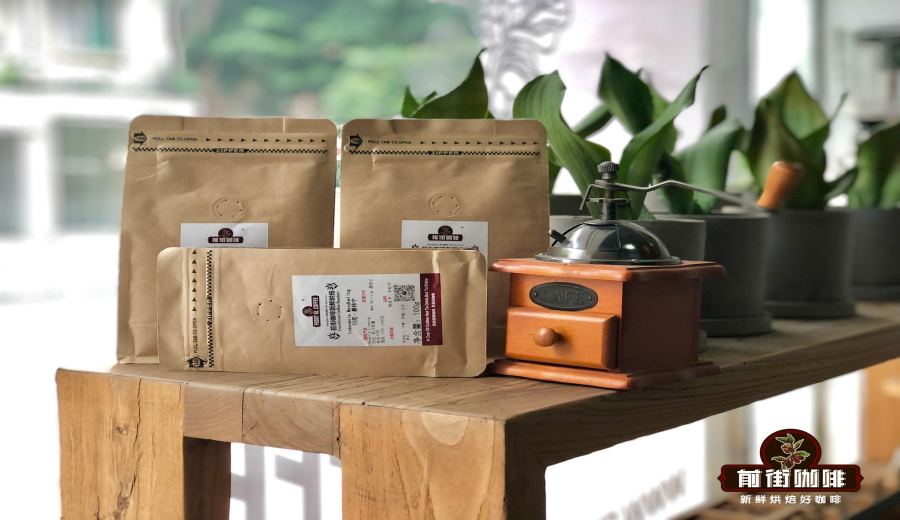
Introduction:The flavor differences between pour over coffee and machine-brewed coffee have long been a hot topic among coffee enthusiasts. This article delves into the variations in extraction parameters, temperature control, and flavor presentation between the two, and provides a detailed breakdown of suitable techniques for light and medium-dark roasted beans. Additionally, we’ve selected five classic regional everyday beans with complete brewing recommendations to help you progress from beginner to expert and gradually master pour over skills.
When it comes to black coffee, many people in the past first thought of Blue Mountain or Americano, but for the new generation of consumers, pour over coffee is like a science experiment — from pouring water to hand movements, it’s full of exploratory fun. So, is pour over coffee really better than machine-brewed coffee? Based on practical comparisons, the answer lies in adjustability. Coffee machines come with fixed factory settings, making it difficult to adjust the water path and temperature, whereas pour over allows flexible parameter adjustments based on bean variety and roast level, showcasing more nuanced flavor layers.
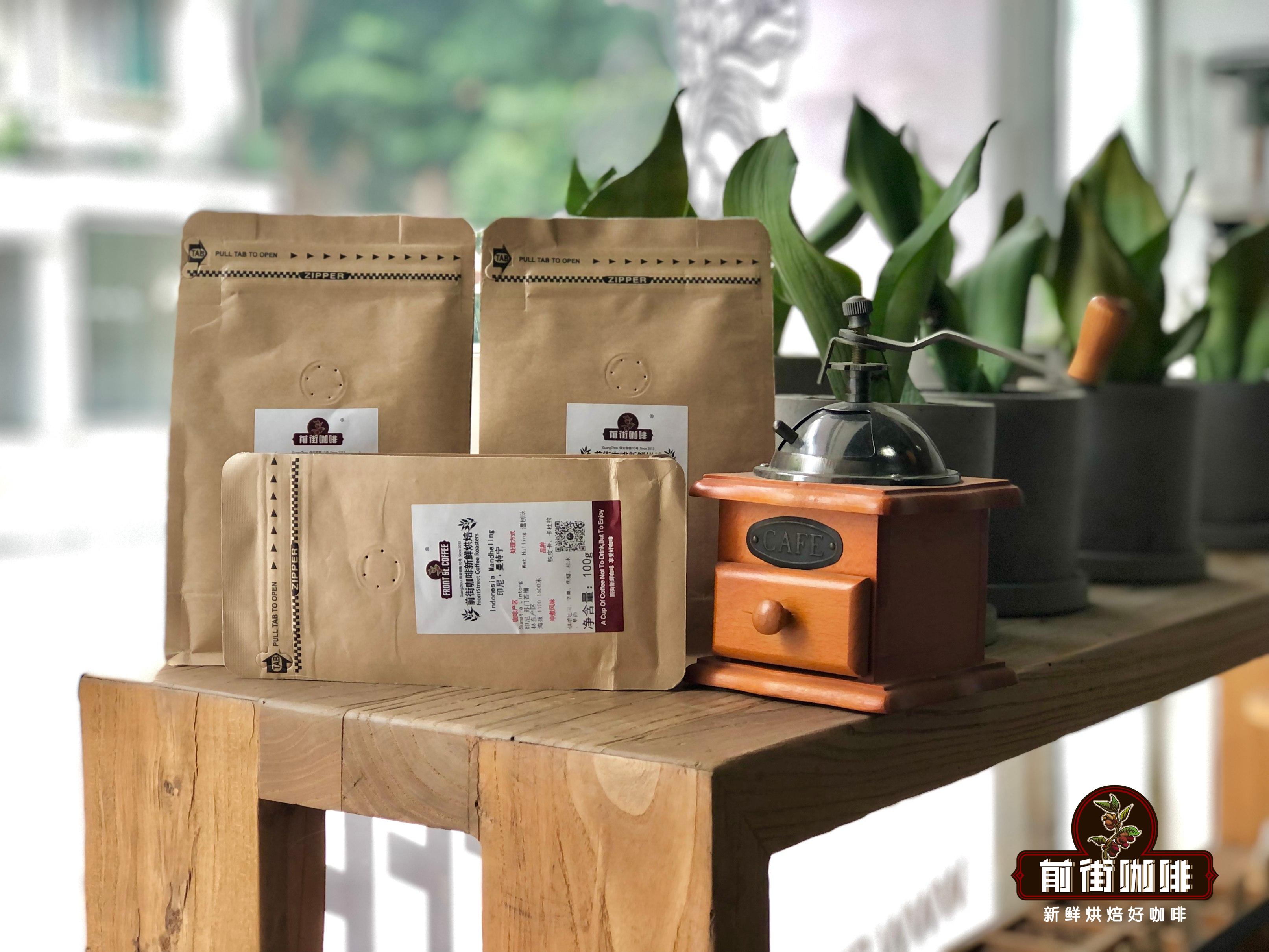
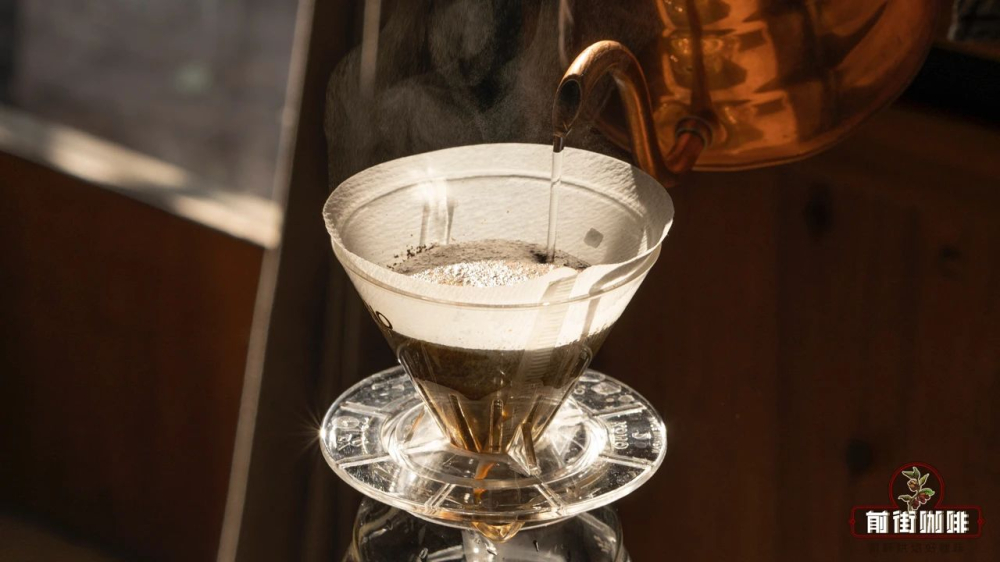
One of the charms of pour over coffee is its high degree of controllability. Learning pour over is like conducting a chemistry experiment — you need to master key elements such as water temperature, grind size, pouring technique, and time. For example, slight adjustments in water temperature can affect the speed of flavor release, while grind coarseness determines extraction efficiency. Furthermore, pouring methods such as pulse pouring, water flow strength, and more can also alter the final outcome of the coffee. The combination of these variables means each pour over session can present a different flavor profile.
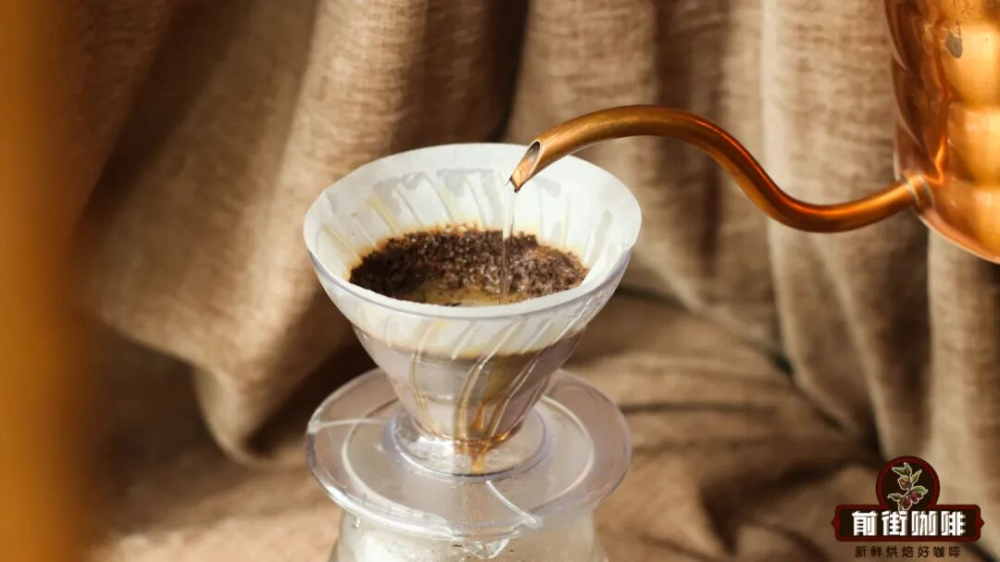
Taking light roasted beans as an example, these beans release flavor compounds more slowly, so it’s recommended to use a higher water temperature of around 93°C, paired with a fine grind (about 80% passing through a Chinese standard No. 20 sieve), and choose a fast-flowing filter cone like the Hario V60 to avoid over-extraction and bitterness. Conversely, medium-dark roasted beans release flavors more quickly, so it’s advisable to lower the water temperature to 88°C, use a slightly coarser grind (about 70% passing rate), and opt for a slower-flowing filter cone like the KONO to achieve a richer and more balanced taste.
In terms of pouring techniques, there are various methods such as three-pour, single-pour, and 4-6 method. Among them, the three-pour method is often favored by professional baristas for its ability to more steadily control the extraction rhythm. Compared to the directness of the single-pour, the three-pour method can bring out a clearer and richer layering, making the balance of acidity, sweetness, and bitterness in the coffee more distinct, and the overall mouthfeel more full-bodied.
If you’re planning to start your pour over journey, consider beginning with the following five classic regional everyday beans. They not only represent regional characteristics but are also suitable for practicing different extraction parameters. Most of these everyday beans are washed processed to preserve the original regional flavors, while a few follow local traditions using the wet-hulled or semi-washed methods, showcasing unique regional traits.
Ethiopia — Washed Yirgacheffe
As the birthplace of coffee, Ethiopia has a rich variety of coffee genetics, but exports are often labeled as “local landrace.” Washed Yirgacheffe is the go-to choice for many pour over beginners, with its bright flavors featuring intense floral notes and citrus tones.
Region: Yirgacheffe, Ethiopia
Elevation: 1800–2000 meters
Variety: Local landrace
Processing method: Washed
Suggested flavors: Jasmine, berries, lemon, citrus
Brewing suggestion: Water temperature 92–94°C, medium-fine grind, use a fast-flowing filter cone like V60
Indonesia — Indonesian Mandheling
Coming from Sumatra, Mandheling is often processed using the wet-hulled method due to climatic factors. It boasts bold flavors with herbal and spicy notes, and a smooth texture with a thick, lingering finish.
Region: Lin Tong, Sumatra, Indonesia
Elevation: 1100–1600 meters
Variety: Tim Tim, Ateng
Processing method: Wet-hulled
Suggested flavors: Toasted bread, nuts, caramel, pine, herbs
Brewing suggestion: Water temperature 88–90°C, slightly coarser grind, choose a slower-flowing filter cone like KONO
Brazil — Brazilian Red Bourbon
Brazilian coffee is known for its sweetness, and the Red Bourbon variety is especially representative in terms of sweetness and balance. It’s ideal for those who prefer less acidity, with stable flavors and clear layers.
Region: Cerrado, Minas Gerais, Brazil
Elevation: 1000 meters
Variety: Red Bourbon
Processing method: Semi-washed
Suggested flavors: Peanut, butter, nuts, chocolate, caramel
Brewing suggestion: Water temperature 90–92°C, medium-coarse grind, a standard-flow filter cone is sufficient
China — Yunnan Peaberry Coffee
In recent years, Yunnan has become an important region for specialty coffee in China. Dominated by the Catimor variety, improved post-harvest processing techniques have elevated its flavor profile to rival imported beans, while retaining local characteristics.
Region: Baoshan, Yunnan, China
Elevation: 1200 meters
Variety: Catimor
Processing method: Washed
Suggested flavors: Melon, muskmelon, brown sugar, plum, black tea notes
Brewing suggestion: Water temperature 90–92°C, medium-fine grind, recommend using V60 or fan-shaped filter cone
The above content is compiled by CoffeeHunters, a coffee news website.


