








Introduction:With its rich yet clean taste and unique fermented aroma, cold drip coffee has become the top choice for summer coffee lovers. However, not all coffee beans are suitable for making cold drip. From bean selection and grinding to dripping and aging, each step affects the final flavor. This article takes an in-depth look at four popular cold drip beans at a certain store, including Ethiopian HUIGA, Kenyan Little Tomato, Costa Rican Strawberry Sugar Gesha Blend, and Honduran Sherry. It covers their origins, processing methods, and cold drip flavor profiles to help you find your perfect match, along with key tips on brewing and storage.
Cold drip coffee is particularly favored by consumers who enjoy refreshing coffee flavors, thanks to its rich yet clean taste and unique fermented aroma, especially during hot seasons. However, not all coffee beans are suitable for cold drip. Factors such as bean variety, grind size, drip duration, and aging time can significantly influence the final flavor. This article begins with the store’s cold drip reservation system, explaining why cold drip requires a two-day advance order, why freshly dripped coffee needs to be sealed and refrigerated for aging, the recommended drinking window, and storage advice. It also highlights four popular cold drip beans at the store—Ethiopian HUIGA, Kenyan Little Tomato, Costa Rican Strawberry Sugar Gesha Blend, and Honduran Sherry—detailing their origin characteristics, processing methods, and flavor development after cold drip, helping you choose the most suitable beans based on your taste preferences.

Upon entering a certain store, many customers are immediately drawn to the blackboard near the entrance. Its design is simple, listing only recent new arrivals and a brief reminder: “Cold drip coffee requires a 2-day advance reservation.” Many customers wonder, “Is there no cold drip available now? Do I really need to make a reservation to try it?” In fact, as soon as temperatures rise, the store starts making cold drip coffee, but the beans commonly displayed are those with broad appeal. If you want a specific bean used for your cold drip, you’ll need to reserve it two days in advance.
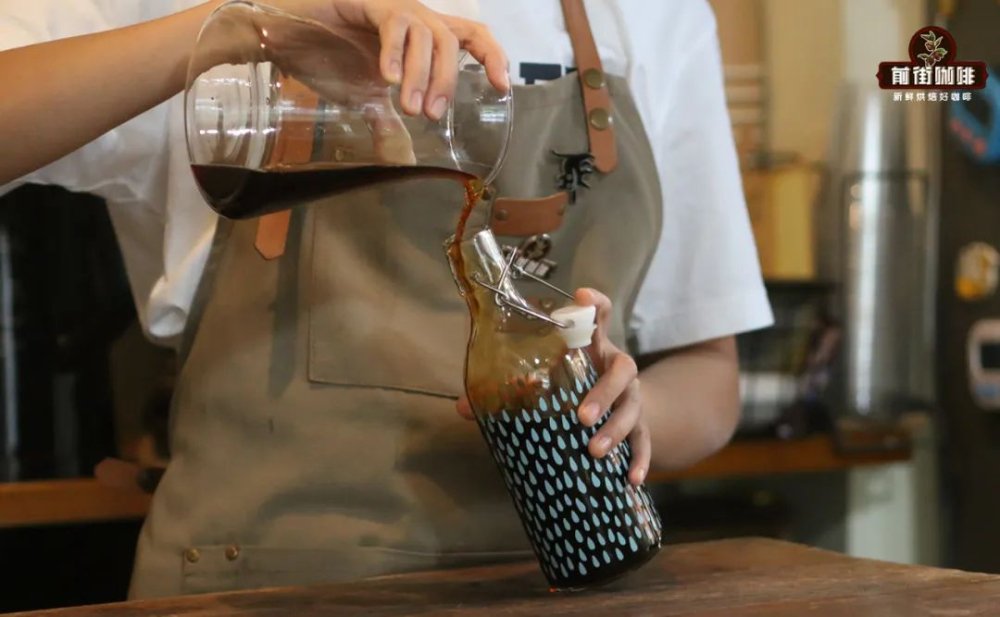
Why the two-day advance booking? If following a T+0 day reservation and T+1 day brewing process, the entire cold drip filtration takes about 6 hours. However, the store doesn’t serve the freshly dripped coffee immediately. Instead, the coffee liquid is poured into a sealed glass bottle and refrigerated for at least 8 hours before being sold. This makes the entire process neatly fit into the T+2 day timeline.
So why isn’t freshly dripped cold drip coffee recommended for immediate drinking? The store explains that while freshly dripped coffee is drinkable, its flavor and texture haven’t yet reached their peak—not because it tastes bad, but because its full potential hasn’t been revealed. Therefore, most professional coffee shops don’t serve freshly dripped cold drip coffee right away.
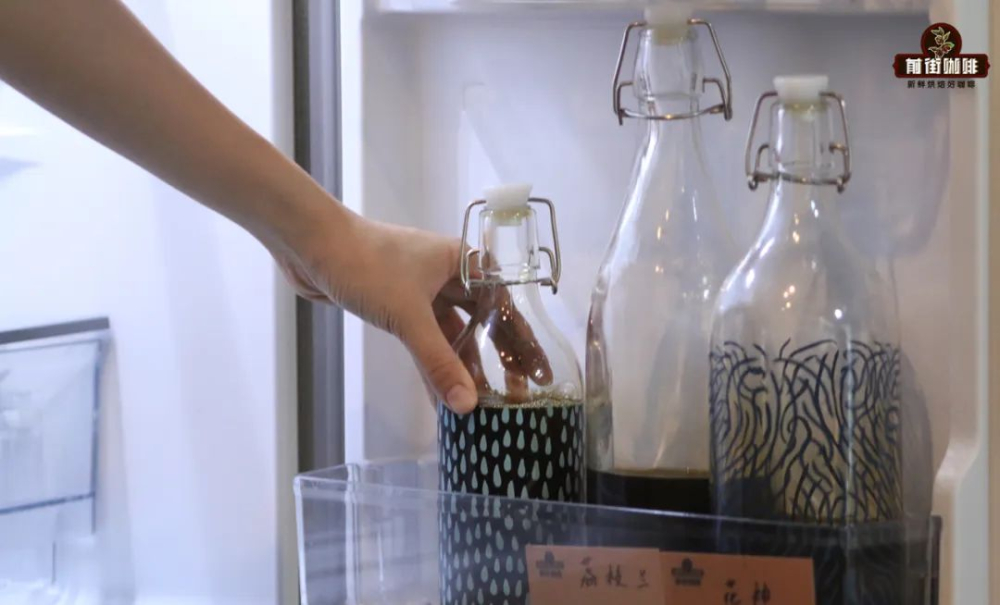
Generally, after filtration, cold drip coffee is transferred into a sealed bottle for what’s called the “aging” process. This aging can be seen as slow fermentation in a low-temperature environment: the sealed environment prevents external bacterial contamination, while the low temperature effectively controls bacterial growth rate, making the fermentation process more stable and predictable.
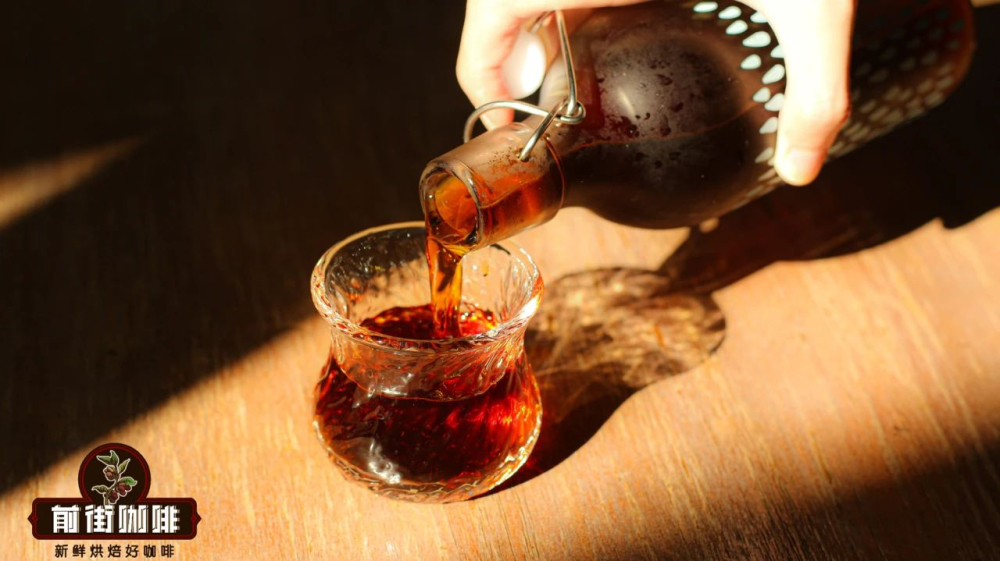
Freshly dripped cold drip coffee usually has a thinner mouthfeel, with flavors closer to the bean’s inherent characteristics, sometimes resembling those of an iced pour over. But after being sealed and refrigerated for at least 8 hours, its taste becomes cleaner, richer, and more full-bodied, with a pronounced sweet and fermented aroma. This unique flavor is even referred to by some coffee enthusiasts as the “cold drip taste.”
It’s important to note that once the fermentation process of cold drip coffee begins, it doesn’t stop. The longer it sits, the more pronounced the fermentation becomes. But stronger fermentation flavor doesn’t necessarily mean better taste, and frequently opening the bottle can introduce external bacteria, leading to spoilage and making the coffee undrinkable.
Therefore, cold drip coffee also has a recommended drinking window. Generally, cold drip coffee stored in the refrigerator is relatively safe for up to 5 days, but beyond that, it’s prone to off-flavors like sourness or spoilage. The store only sells cold drip coffee that’s been aged for 3 days or less. While coffee aged beyond 3 days might not necessarily spoil or taste bad, to ensure the best flavor experience and food safety, the store sets the recommended enjoyment period for its homemade cold drip coffee at 3 days.
Next, we’ll introduce four commonly used and highly suitable cold drip beans at a certain store. Each showcases distinct flavor profiles to cater to diverse taste preferences.
A Certain Store – Ethiopian TOH Champion HUIGA
If you prefer a fresh and bright style, this Ethiopian HUIGA coffee bean is an excellent choice. This bean is the 2020 TOH washed category champion, sourced from Uraga in the Guji zone. The store typically uses 60 grams of coffee grounds for a 6-hour drip to yield 600 milliliters of coffee liquid, which is then refrigerated for 12 hours of fermentation before serving. It’s recommended to add 50 grams of ice and pour 200 milliliters of coffee for enjoyment.
The cold drip made from this bean features delicate honey-like floral aromas and the unique fermented notes of cold drip. On the palate, you’ll notice distinct citrus and pomelo acidity, paired with honey-like sweetness and a green tea-like finish, delivering an overall refreshing and pleasant flavor.
A Certain Store – Kenyan Little Tomato
Kenyan beans are known for their bright and bold acidity, mainly attributed to premium varieties like SL28 and SL34, as well as the unique K72 washed process. The store’s Kenyan Assaria beans come from the Honey Processing Factory in the Thika region. The cold drip made from these beans offers a unique flavor profile, distinct from the fresh style of Ethiopian beans.
Its flavor resembles sour plum soup, with firm plum and little tomato acidity, blended with caramel sweetness, and a smooth, rounded mouthfeel. Paired with two ice cubes, it’s a perfect summer refresher.
A Certain Store – Costa Rican Miramar Estate Strawberry Sugar Gesha Blend
The flavor of this coffee bean lives up to its name, offering a rich, sweet strawberry soft candy-like profile. The Strawberry Sugar Gesha Blend from Costa Rica’s Miramar Estate is a multi-variety mix, with Gesha making up 50% to deliver pronounced fruity sweetness, and the other 50% including ET47, SL28, and MAICO to add complexity.
This bean is processed using the raisin honey method, bringing a dried fruit-like sweetness reminiscent of raisins. The resulting cold drip coffee boasts fruity wine-like aromas, making it extremely popular among the store’s customers.
A Certain Store – Honduran Sherry
One of the store’s most commonly used beans for cold drip is this Honduran Sherry, which undergoes sherry wine barrel fermentation. On top of the washed base process, the beans are further fermented in sherry whiskey barrels, resulting in a strong sherry wine aroma.
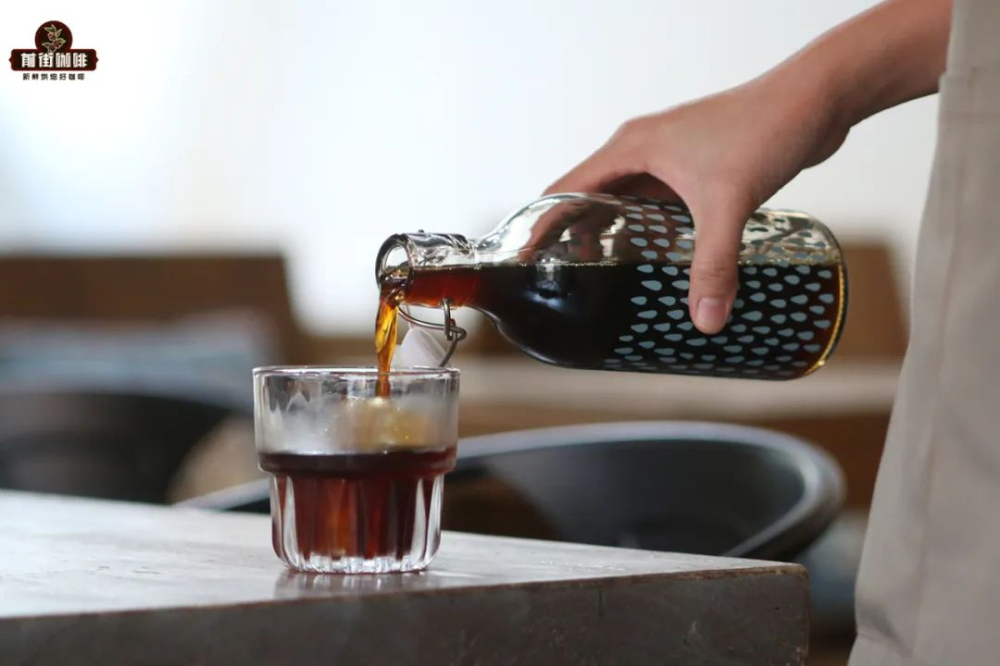
The cold drip made from this bean showcases intense vanilla cream, sherry wine, and dark chocolate flavors, making it the richest among the store’s recommended four beans.
Additionally, this bean can be blended with others for cold drip mixes. For example, mixing it 1:1 with sun-dried Yirgacheffe adds sweetness while retaining the wine aroma; or pairing it 1:1 with Costa Rican Beethoven beans brings out a combined profile of sherry wine aroma, refreshing citrus fruitiness, and rich vanilla cream.
These four popular cold drip beans at the store not only boast excellent sales performance but also cover four major flavor directions: fresh, fruity, sweet, and bold. Readers can choose the cold drip coffee experience that best suits their personal taste preferences.
The above content is compiled by CoffeeHunters, a coffee news website.


