







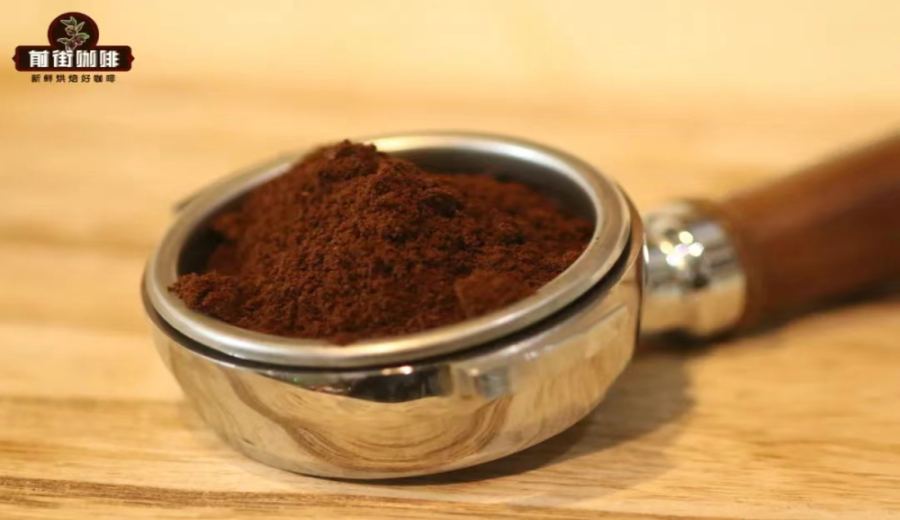
Introduction:Understand the difference between single origin espresso (SOE) and regular espresso blends, and explore how to craft uniquely flavored espresso using single-origin beans such as Yirgacheffe. This article delves into the definition of SOE, key aspects of roasting and extraction, and provides practical parameters and flavor profiles to help you master the art of making espresso with single-origin beans.
In the world of specialty coffee, pour over brewing often highlights beans from a single region to showcase distinct terroir characteristics, while traditional espresso typically favors blended beans to achieve balanced flavor and stable extraction. But have you ever considered using single-origin beans to make espresso? This practice is called SOE (Single Origin Espresso), or “single-origin espresso.” Through high-pressure extraction, SOE can amplify the inherent flavor characteristics of the beans—whether it’s bright acidity, floral and fruity notes, or even certain defects—making them more pronounced. This article will start with the basic definition, guide you through the features of SOE, how it differs from both single-origin pour over and regular blends, and then explore in depth the roasting profile, grind settings, and extraction parameters. It also recommends single-origin beans ideal for SOE, such as Yirgacheffe Natural Red Cherry, along with practical usage details including powder-to-water ratio, extraction time, and flavor descriptions.
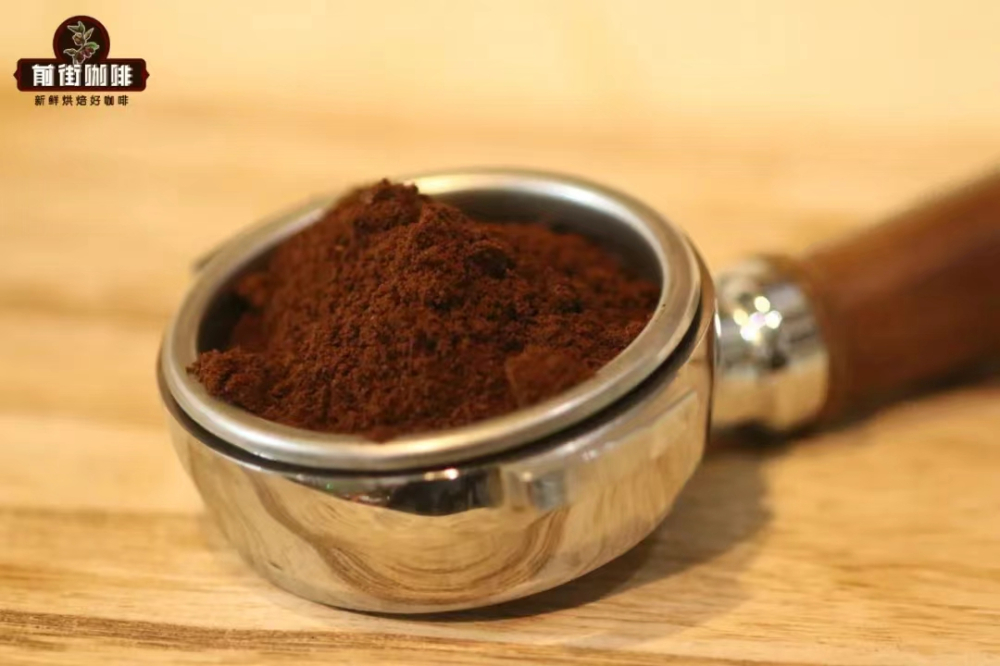
So, what exactly is SOE coffee? Simply put, SOE is espresso made from coffee beans sourced from a single region and a single variety. Although the term includes “single origin,” it doesn’t necessarily mean it's always premium-grade. The key lies in bean selection—for instance, choosing beans with distinctive regional traits, such as Ethiopia’s Yirgacheffe. After high-pressure extraction, their original citrus, berry, or floral notes become more concentrated. However, because high-pressure extraction amplifies all flavors, including the undesirable ones, any flaws or improper processing in the beans will also become more evident. Therefore, the success of SOE depends not just on selecting the right beans, but also on precisely controlling the roast level and extraction parameters.
For example, Yirgacheffe often has bright citrus and lemony notes, which become even more prominent when used for SOE. In contrast, Indonesia’s Mandheling, when used for SOE, will have its characteristic herbal and earthy tones—and possibly off-flavors—intensified. Additionally, SOE tends to be less stable than blends, as climate conditions vary slightly each year in the producing regions, which may cause fluctuations in the flavor profile. This is also one of the reasons why many cafés are hesitant to offer SOE options.
When it comes to presenting SOE, besides straight espresso, many specialty cafés also use it as a base to make milk-based drinks like lattes or cappuccinos. The fat and sweetness of milk can effectively soften acidity and sharp flavors, thereby highlighting the unique character of the single-origin beans. Therefore, SOE is not limited to black coffee—it can also shine in milk coffee as long as the beans are well chosen and extracted properly.
Next, let’s clarify a common question: How are SOE beans different from regular single-origin beans used for pour over? In fact, both use single-origin beans, but their purposes and roasting strategies are completely different. Pour over emphasizes low-temperature, slow extraction to highlight subtle layers and original flavors. SOE, on the other hand, faces the demanding challenge of high-pressure extraction, so the roasting approach needs to strike a balance—neither too dark, which would mask flavors with carbonization, nor too light, which could result in overly sharp acidity and under-extraction. Typically, the suitable roast level for SOE falls between medium and medium-dark, stabilizing the flavor backbone while retaining enough fruitiness and sweetness. This also means that the same bean, if intended for both pour over and SOE brewing methods, will require adjustments to the roasting curve.
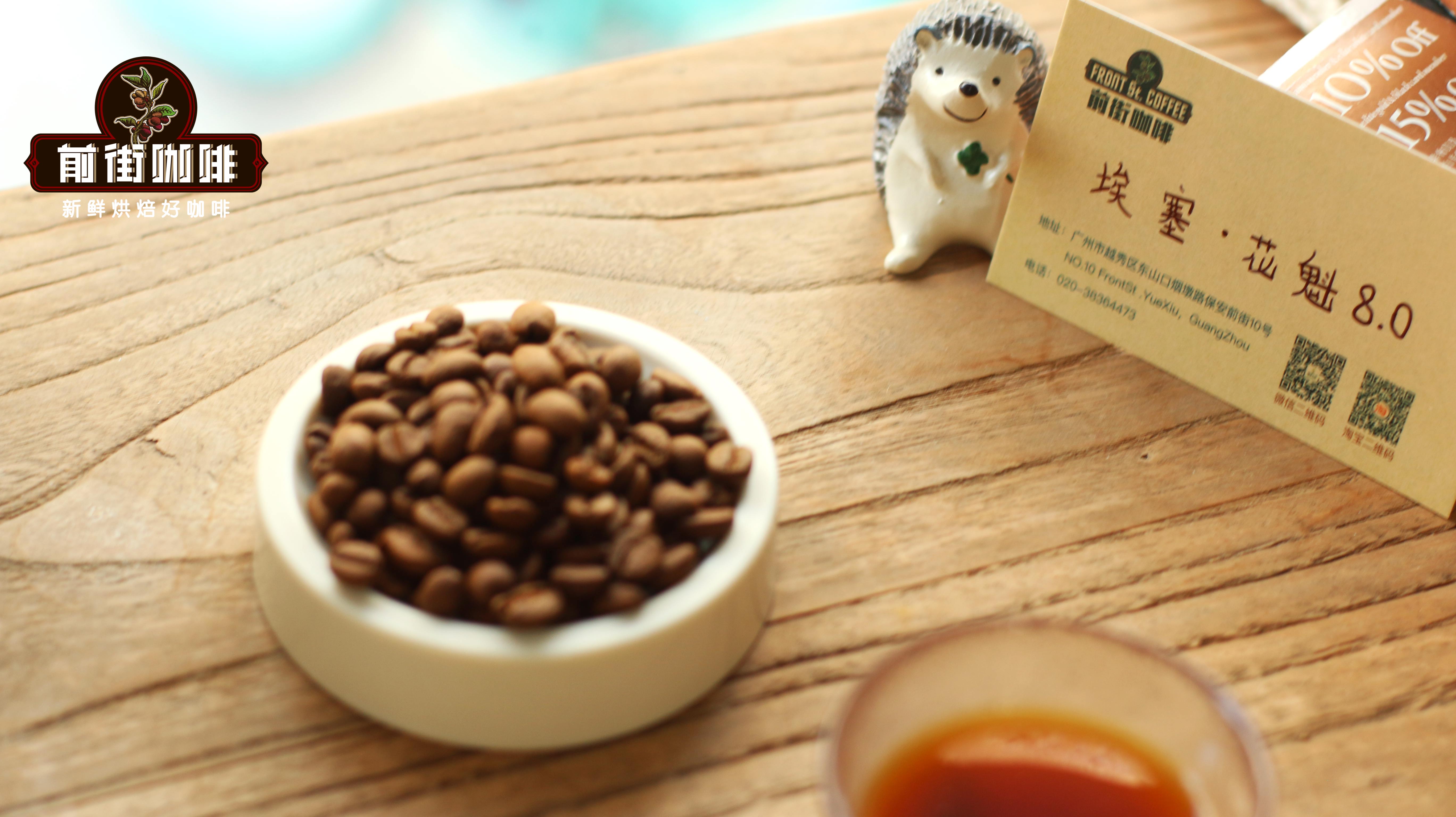
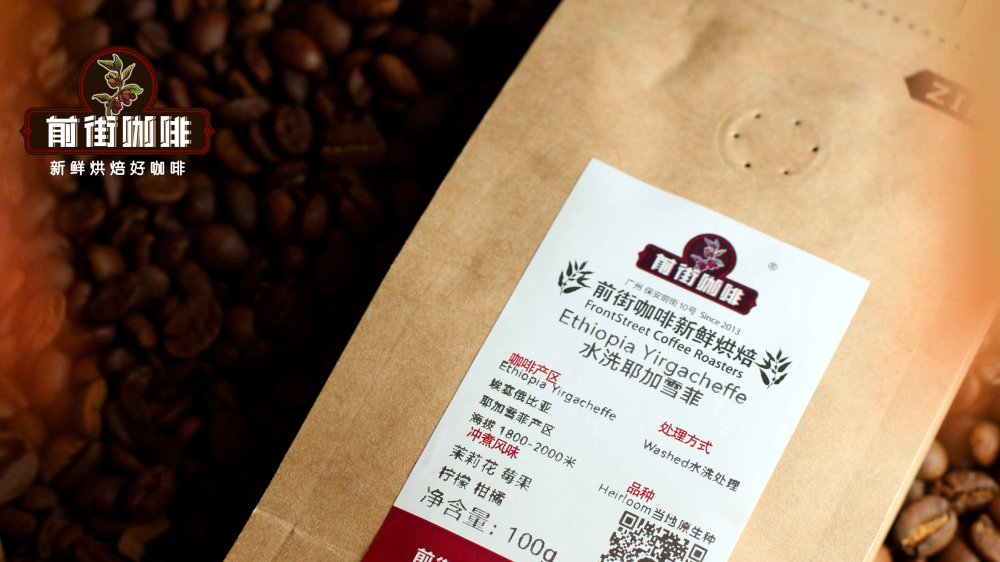
So, which coffee beans are suitable for making SOE? In terms of market acceptance and actual performance, Ethiopia’s Yirgacheffe series—especially those processed with the natural (sun-dried) method—often exhibit highly distinctive floral and fruity aromas with bright acidity, making them perfect for coffee lovers who enjoy sweet and tangy profiles. In addition, honey-processed beans from Costa Rica can also be great SOE choices due to their prominent sweetness. However, no matter which beans you choose, fine-tuning is essential based on your actual extraction equipment and technique to fully realize their potential.
Take Yirgacheffe Natural Red Cherry as an example. This bean is grown at an altitude of about 2,300 meters and uses local heirloom varieties along with the natural processing method, naturally possessing rich notes of berries, lemon, and fermented wine. Practical extraction parameters can be referenced as follows: using a Fama 900N grinder set to grind size #1.7, 20 grams of coffee, extraction time of about 27 seconds, yielding approximately 40 milliliters of espresso. Under these parameters, the flavor profile typically includes citrus, berries, and pronounced fermented aromas, with a thick mouthfeel, bright and lively acidity of medium to high intensity, and a rich overall flavor layering—making it highly suitable for drinkers who prefer fruity and acidic profiles.
In summary, although SOE coffee presents a higher level of challenge, mastering bean selection, roast level, and extraction parameters can result in a uniquely flavorful and distinctly expressive espresso. Whether you’re aiming to explore the charm of single-origin beans or looking to broaden your understanding of espresso, SOE is a direction well worth diving into.
The above content is compiled by CoffeeHunters, a coffee news website.


