








Introduction:Have you ever experienced a noticeable astringency when drinking pour over coffee, which significantly detracts from the overall flavor? Even when following recommended brewing parameters, you might still encounter discomfort such as a tight throat or a rough sensation on the tongue. This article delves into the sources of coffee astringency—from chemical compounds and brewing techniques to equipment choices—to help you identify the root cause and adjust your method for a smoother, more balanced cup.
During coffee tasting, many people may have vague descriptions of specific flavors, but if there’s obvious astringency in the coffee, almost everyone can detect it immediately. This unpleasant sensation often manifests as a tightness in the throat when swallowing or a sandpaper-like roughness on the tongue. Even if other aspects of the coffee are well-executed, a hint of astringency can easily ruin the overall experience.
So, what exactly is “astringency”? Unlike the commonly discussed tastes—sour, sweet, bitter—astringency is not a true taste but rather a tactile sensation of contraction or roughness on the oral mucosa and tongue surface. In short, “astringent” means “not smooth,” and it instinctively triggers discomfort. For example, when eating an underripe banana, even though the fruity aroma remains, the rough feeling left on the gums and tongue is similar to the astringent experience.

Then, where does astringency in coffee come from? In fact, aside from coffee, tea and red wine also commonly exhibit astringency, but their sources differ. The astringency in tea mainly comes from polyphenols, while in red wine, it originates from tannins found in grape skins and seeds. As for coffee, the primary source of astringency is 3,5-dicaffeoylquinic acid, produced when chlorogenic acids in green beans degrade during roasting. Additionally, compounds such as tartaric acid and tannins may also intensify the astringent sensation.
When you taste coffee with a noticeable grainy texture, a choking sensation, dryness, or an uncomfortable roughness on the tongue, it’s likely that these substances have been overly extracted during brewing. There are many potential causes for this, ranging from the ripeness and defect rate of green beans, post-harvest processing methods, transportation and storage conditions, roast level, all the way to the final extraction step. However, for general consumers, as long as you purchase coffee beans from reliable sources, the likelihood of severe astringency due to green beans or roasting is actually quite low. Therefore, if you’re using quality coffee beans but still frequently end up with astringent cups, it’s advisable to examine and adjust the following brewing details.
First, one of the most common issues isoverly long brew time. During coffee extraction, different compounds are released at vastly different rates, with larger molecules responsible for bitterness and astringency typically being released more heavily in the later stages. This is why if you notice the coffee getting increasingly bitter and astringent, it usually means the brew time has gone on too long. Generally, for a single serving using about 15–16 grams of coffee grounds, it’s recommended to keep the total brew time within2 minutes and 30 seconds. Once this time frame is exceeded, unwanted astringency and bitterness are more likely to occur.
If your actual brew time exceeds two and a half minutes and you detect significant astringency and bitterness, you can troubleshoot from these two common issues: first,coffee grounds that are too fine or contain too many fines, causing the coffee bed to retain water and form a muddy surface—in this case, it’s advisable to adjust to a coarser grind; second,insufficient pouring pressure, preventing the coffee bed from being effectively lifted, so that water can only slowly seep through, thus prolonging the overall extraction time. To address this, after the bloom phase, you can moderately increase the water flow rate, allowing the water level to rise to abouttwo-thirds of the height of the filter cone, which helps achieve even extraction and better time control.

The second common issue isexcessive or unstable pouring pressure. Many people, due to improper pouring techniques, end up extracting the coffee grounds unevenly. Unstable water flow may lead to over-extraction in some particles and under-extraction in others, resulting in a complex taste that is both sour and astringent. Additionally, some brewers habitually use a strong water flow to quickly stir the coffee bed, which may seem to speed up extraction but can actually release more off-flavors and astringency in the later stages.
To improve this, it’s recommended to use asteady vertical water stream, maintaining adistance of about 3–4 centimeters from the coffee bed, and pouring in slow circular motions. This not only maintains stable extraction pressure but also avoids localized over-extraction or collapse of the coffee layer, contributing to a more balanced overall flavor.
Lastly, a frequently overlooked factor is theimpact of filter cone material and extraction efficiency. Many beginners focus primarily on grind size and water temperature but neglect the characteristics of the filter cone itself. Take the commonly used ceramic filter cone as an example—it has a high heat capacity, and once preheated, it provides a relatively stable brewing environment. However, it also “quietly” enhances extraction efficiency, especially in the later stages, where it tends to release more astringent compounds.
If you’ve already confirmed that your grind size, brew time, and water flow are all fine, yet the coffee still tastes astringent—and you’re using a ceramic filter cone—you can trylowering the water temperature by about 2–3°C, which helps reduce the risk of over-extraction and leads to a smoother, crisper taste.
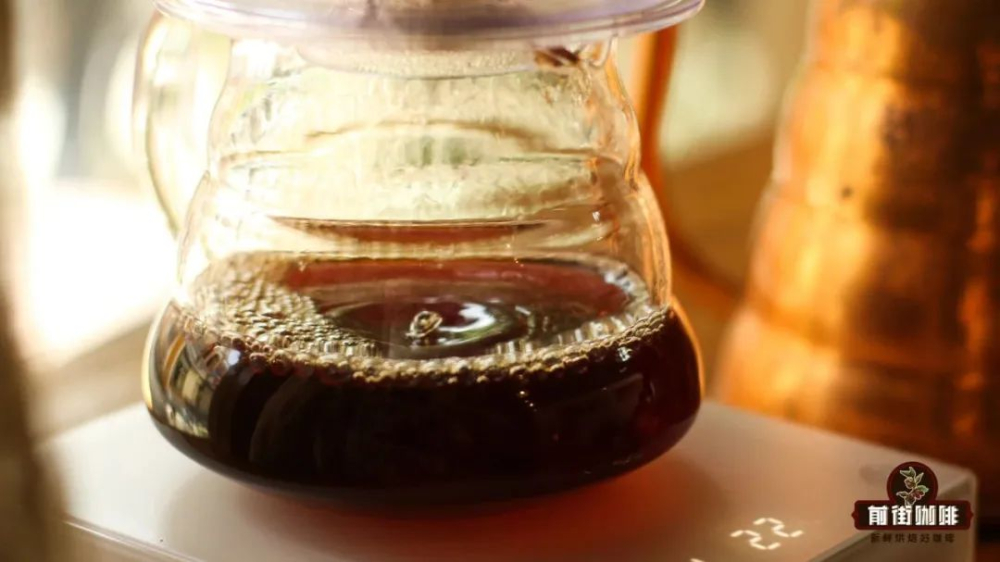
In summary, although coffee astringency is undesirable, it’s actually quite easy to avoid as long as you grasp the correct extraction concepts and adjustment techniques. From controlling brew time and stabilizing pouring techniques, to paying attention to filter cone characteristics and water temperature pairing, every step can influence the final flavor profile. The next time you notice unwanted astringency in your pour over coffee, revisit these three key areas, make adjustments step by step, and ensure every cup showcases a smooth, rich, and memorable flavor.
The above content is compiled by CoffeeHunters, a coffee news website.


