







Introduction:Cold drip coffee is extracted at low temperatures over an extended period, preserving unique aromas and delivering a rich mouthfeel. It is ideal for coffee lovers who prefer lower caffeine intake and seek layered flavor profiles. This article delves into the principles of cold drip extraction, compares it with pour over, recommends suitable coffee bean varieties, and provides multiple practical recipes and operation tips to help you easily master this refined coffee brewing technique.
By using ice water for prolonged, low-temperature extraction, cold drip coffee fully preserves the aromatic compounds in coffee while reducing the release of tannic acids and bitter components. This brewing method allows the coffee to gradually release intense aromas as the temperature rises upon drinking, resulting in a rich yet smooth mouthfeel that is not overly stimulating. The caffeine content is also relatively low, making it an excellent choice for those who appreciate delicate flavors and less intense beverages. Compared to traditional pour over, cold drip better highlights the multi-layered and nuanced qualities of coffee, especially suitable for summer enjoyment, offering a refreshing yet profound taste experience.
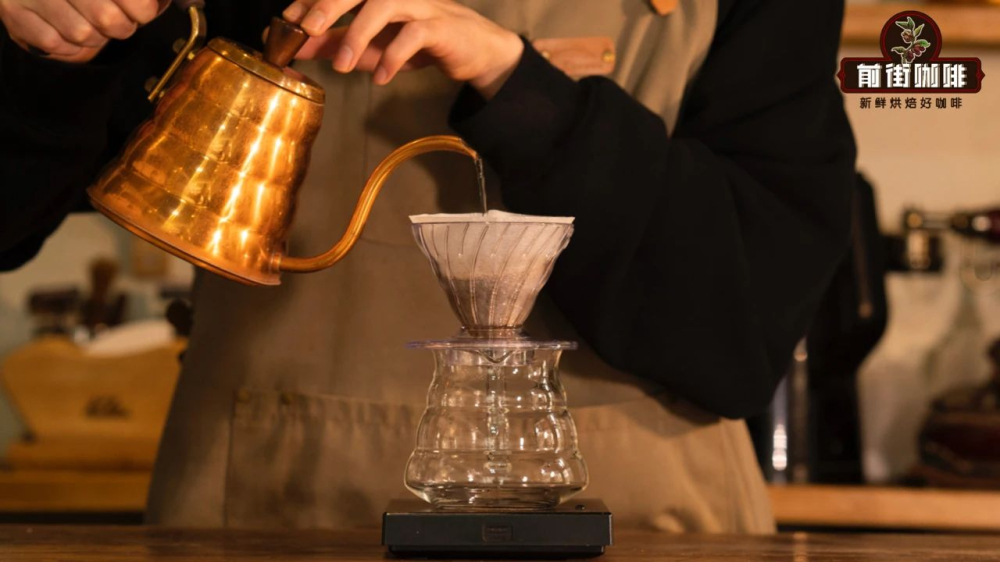
Although pour over coffee can also deliver outstanding flavors when brewed correctly, if you’re looking to try a different extraction method, cold drip coffee is a worthwhile experience. Especially during hot summer days, a refreshing glass of cold drip not only cools you down but also lets you savor the coffee’s complex aromas. The brewing logic of cold drip is entirely different from pour over—it utilizes slowly dripping ice water that gradually permeates through the coffee grounds via prolonged infusion, rather than relying on high temperature for rapid extraction.
As the name suggests, cold drip coffee uses ice water for extraction. Generally, pour over methods use hot water at 85°C~95°C to quickly extract flavor compounds from coffee, converting tannic acids into quinic acid and achieving a distinct balance of sour, sweet, and bitter notes. However, high temperatures can also release impurities such as lignin fibers, leading to off-flavors. In contrast, cold drip employs ice water close to 0°C, significantly slowing down the volatilization of aromas, effectively "locking" them within the coffee liquid. Only as the temperature rises upon drinking do you experience the concentrated burst of flavors—a sensory release that often comes as a pleasant surprise.
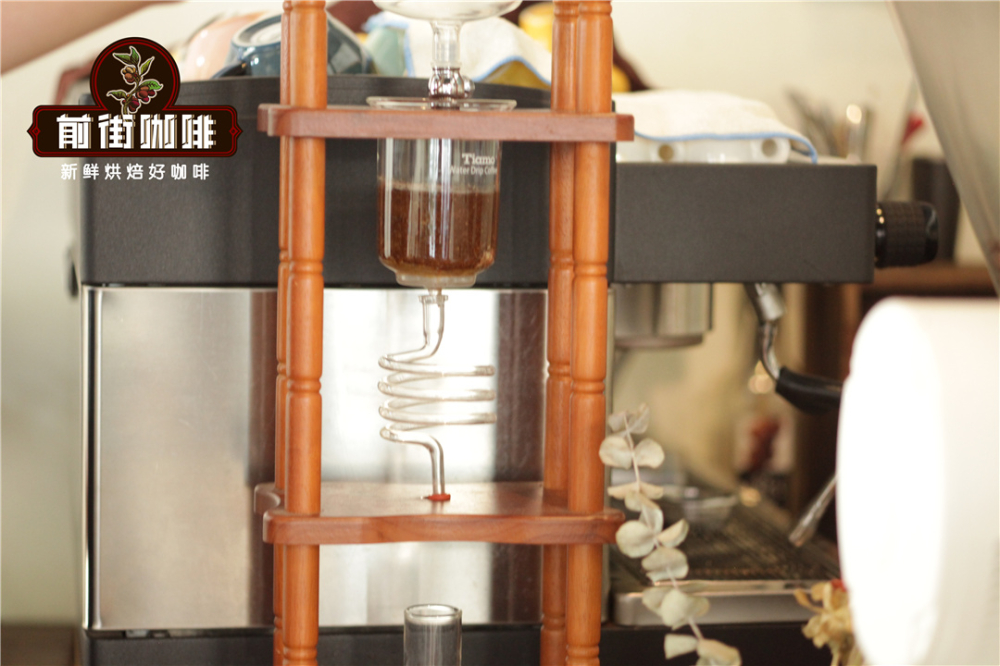
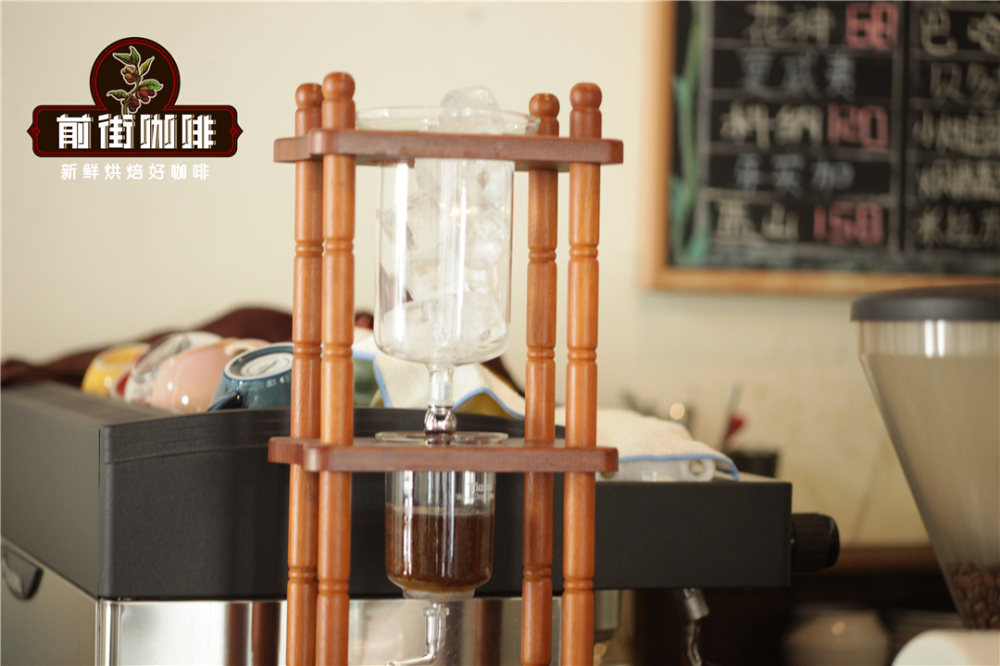
The origins of cold drip coffee are said to be linked to Dutch traders, hence it is also known as Dutch-style drip coffee. Its distinctive feature lies in using a laboratory-like dripping apparatus where ice water slowly seeps through layers of coffee grounds, a process that is slow yet patient. Traditional cold drip equipment usually consists of three to four stacked glass containers, paired with an adjustable drip valve that controls the speed to approximately seven drops every ten seconds, ensuring stability and precision. This method is also referred to as water drop coffee or ice-brewed coffee—a brewing approach that demands both time and patience.
The extraction principle of cold drip is fundamentally different from pour over. Pour over relies on high water temperature and short extraction times to release a large amount of flavor rapidly, whereas cold drip depends on time and low temperature to gradually dissolve flavor compounds. The low-temperature environment effectively suppresses the release of impurities and over-extraction, while also reducing caffeine output, resulting in a smoother overall flavor with distinct layers. Moreover, because it is not subjected to high heat, cold drip coffee can develop subtle fermentation aromas during oxidation and maturation, lending a fuller and more dynamic mouthfeel.
So, which coffee beans are suitable for making cold drip? In fact, most pour over beans can be used, but if you wish to highlight delicate flavors, single-origin beans are recommended. Single-origin beans showcase the unique characteristics of their origin—for example, the fruity acidity and floral notes commonly found in African beans, or the body and sweetness of Southeast Asian beans. Blends are also a good option; by complementing the traits of different beans, they can create more balanced and layered flavor combinations. Compared to cold brew, cold drip coffee offers more vibrant and nuanced aromas, making it suitable for bold-flavored beans with distinctive profiles, such as Kenyan or Yirgacheffe coffees.
Below are several common and flavorful cold drip recipes. First is the "Deep Berry Type," for which you can use Costa Rica Mozart coffee beans, processed via anaerobic honey, delivering intense blueberry, black grape, and wine-like fermented flavors, with a refreshing taste and long aftertaste. Next is the "Clean and Crisp Type," where we recommend Kenya Assaria, known for its bright acidity reminiscent of fruit juice, along with the freshness of cherry tomatoes and grapefruit—perfect for summer sipping. For those who prefer sweetness, try the "Sweet and Delicious Type" using Indonesian Golden Mandheling. After cold drip brewing and refrigeration, it showcases rich chocolate and honey notes, with a smooth mouthfeel and pleasant fermented sensations.
To further enhance the flavor layers, you can also experiment with blends for cold drip. For instance, combine 20 grams of Honduran Litchi Lan with 40 grams of Gesha Village Red Label blend. The Litchi Lan, treated via wine barrel fermentation, offers brandy-like aromas and honey aftertastes, while the Gesha contributes plum and citrus acidity along with maple-like sweetness, resulting in a rich and balanced overall profile. In practice, place 60 grams of coffee grounds (it is recommended to grind slightly coarser than pour over, around 58% passing rate) into the filter basket, lay a round filter paper and press it gently flat, then cover with another filter paper to ensure even water flow. Pre-wet the coffee grounds with ice water to bloom, then use a 1:1 ice-water mixture, adjusting the drip rate to about seven drops every ten seconds. After static extraction, pour the coffee liquid into a sealed bottle and refrigerate for at least 12 hours to allow the flavors to fully integrate.
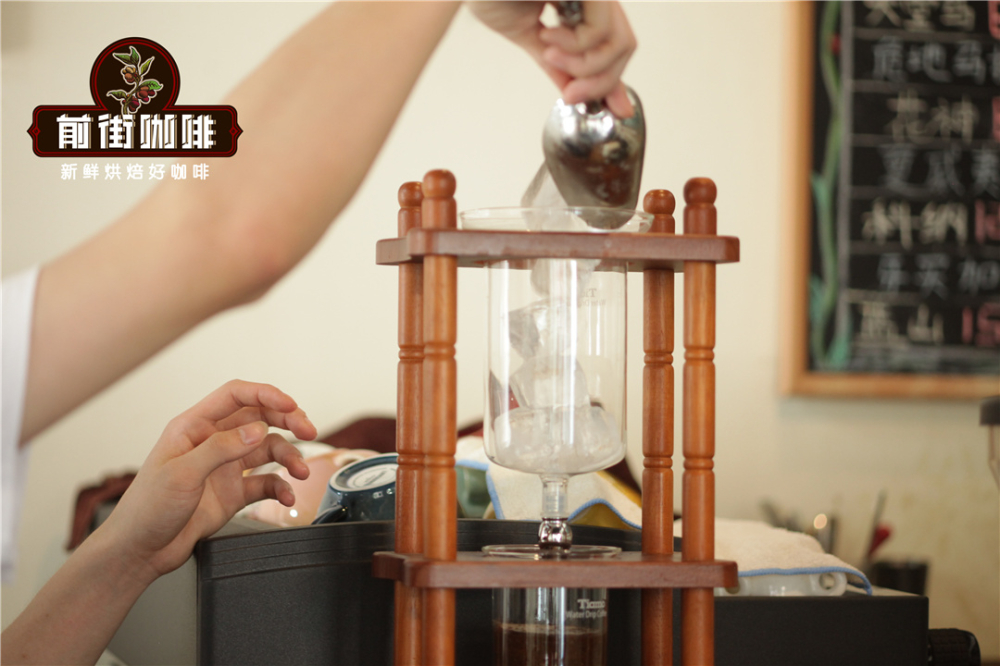
It’s important to note that cold drip coffee is not recommended for immediate consumption after filtration. This is because the flavor molecules released during extraction need time to be released through oxidation—much like freshly roasted coffee beans releasing carbon dioxide, which promotes the fusion of aromatic compounds and oils. It is suggested to let the cold drip coffee sit in the refrigerator for 12 to 24 hours, allowing the naturally generated air pressure in the bottle to drive flavor release. Typically, the longer it sits, the richer the flavors become, but it is best to consume it within 72 hours to ensure optimal quality and hygiene.
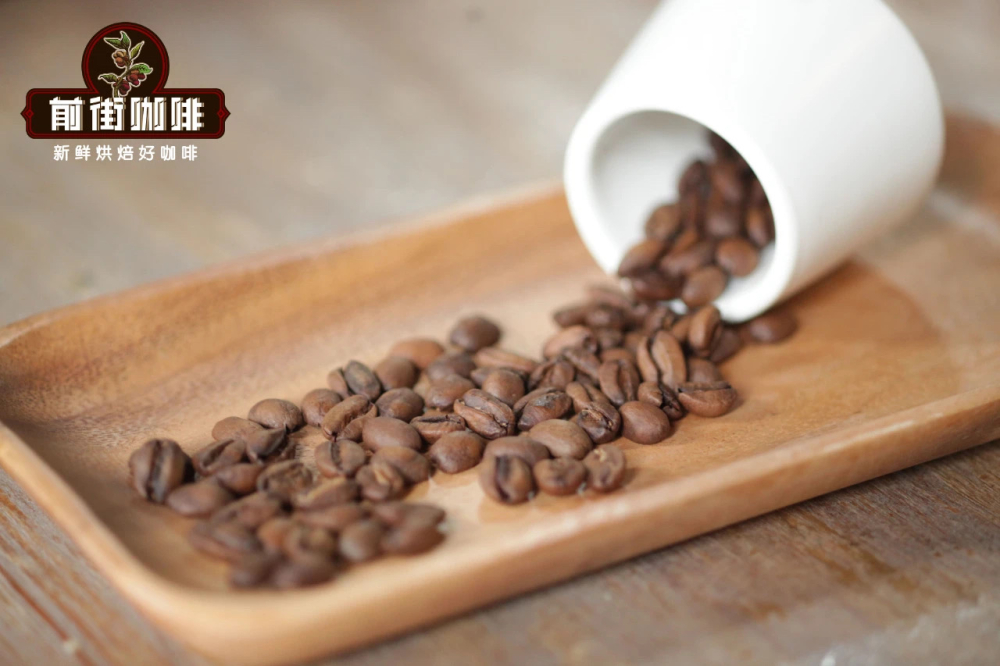
Whether you prefer pour over, espresso, or cold drip, the freshness of the coffee beans is the most crucial factor affecting flavor. Freshly roasted coffee beans are typically shipped within five days of roasting and reach their peak flavor after 4–7 days of resting. If you purchase pre-ground coffee powder, although it doesn’t require resting, it is still advisable to consume it as soon as possible to avoid aroma loss due to oxidation. In short, to enjoy a delicate and layered cold drip coffee, in addition to selecting the right bean variety and recipe, attention to detail and patience are essential to fully appreciate this time-refined coffee art.
The above content is compiled by CoffeeHunters, a coffee news website.


