







Introduction:Want to learn about decaf coffee but worried about losing the original flavor? This article provides an in-depth comparison of Brazilian and Colombian decaf beans, focusing on their variety characteristics and decaffeination processes. It also explains the principles and pros and cons of the Swiss Water process, and guides you through mastering a three-stage extraction technique and flavor profile suitable for decaf coffee — perfect for health-conscious coffee lovers who still want to enjoy rich flavors.
For those who should limit their caffeine intake, decaf coffee offers an excellent alternative that preserves the unique aroma and full-bodied taste of coffee. This article will focus on decaf coffee beans from Brazil and Colombia, exploring their differences in variety, altitude, and processing methods. We’ll also delve into common decaffeination techniques — especially the widely used Swiss Water method — analyzing its advantages, disadvantages, and impact on flavor.
In addition, we’ll share the actual flavor profile of decaf coffee beans from Colombia’s Huila region, along with brewing recommendations suited to this bean, including coffee-to-water ratio, water temperature, and a three-stage extraction method. This way, you can brew a balanced, flavor-clear decaf coffee experience at home.
As global dietary habits diversify, coffee has become one of the indispensable beverages in many people’s daily lives. While caffeine helps boost alertness, it may also have negative effects on some individuals, such as causing palpitations or insomnia. Pregnant women, children, and those sensitive to caffeine should be particularly cautious about their intake. As a result, decaf coffee is gaining increasing attention in the market as the top choice for consumers who want to enjoy coffee while reducing caffeine’s impact.
Among them, decaf coffee beans produced in Colombia’s Huila region are one of the well-regarded options on the market. Colombia has long been known as the “green gold,” with coffee celebrated for its balanced layers and smooth mouthfeel. Compared to the bright citrus notes of Ethiopian Yirgacheffe or the vibrant acidity typical of Kenyan beans, Colombian decaf coffee tends to be gentler, with richness similar to Brazilian beans but without such an intense creamy sensation. Instead, it highlights nuts and dark chocolate as the main profile, complemented by soft fruit acidity and a mellow aftertaste.
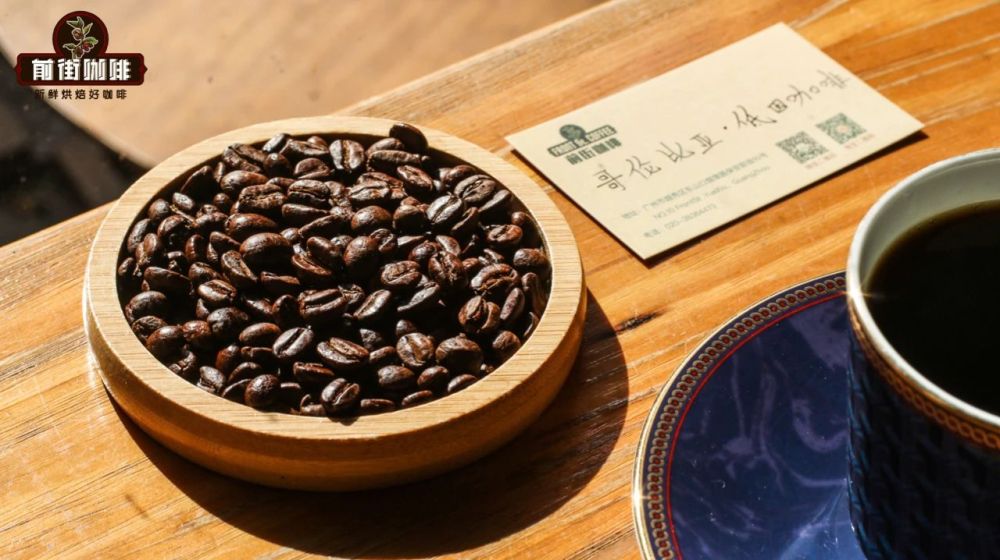
This Colombian Huila decaf coffee is grown at an altitude of approximately 1,750 meters, mainly consisting of Typica, Caturra, and Castillo varieties from the 2020 harvest. Its flavor profile is clear, often showcasing black chocolate, cream, nuts, and slight citrus notes, with an overall smooth mouthfeel and a long-lasting aftertaste.
Most decaf coffee on the market today is produced through artificial decaffeination processes, though some come from naturally low-caffeine varieties. Generally speaking, Arabica beans contain about half the caffeine of Robusta beans, and naturally low-caffeine varieties like Laurina result from genetic mutations that lead to inherently lower caffeine content, while still maintaining good flavor qualities.
In 2004, Brazilian scientists discovered three naturally low-caffeine coffee tree species in the virgin forests of Ethiopia, Africa. However, these trees grow slowly, and scientists are currently attempting to improve their cultivation efficiency through hybrid breeding. It is expected that more naturally low-caffeine coffees will be available to consumers in the future.
Colombia is not only the world’s third-largest coffee producer, but its high-altitude environment and volcanic soil provide ideal conditions for cultivating high-quality Arabica coffee. These unique geographical advantages give Colombian coffee a rich and layered flavor, making it one of the ideal regions for producing decaf coffee. In addition, Colombia has its own exclusive coffee brand symbol — “Juan Valdez” — representing hardworking coffee farmers, always accompanied by a mule and the Andes Mountains, reflecting the unique cultural background of mountain cultivation and transport.
Colombia has also cultivated several disease-resistant and climate-adapted varieties, such as Castillo, Tabi, and the Colombia variety named after the country. These varieties are suitable not only for regular coffee processing but are also highly compatible with decaffeination methods.
Speaking of the origins of decaf coffee, there’s an interesting anecdote: the German poet Goethe, who loved drinking coffee at night to fuel his creative writing, often suffered from insomnia as a result. His friend Runge began researching how to extract caffeine from coffee beans, which is believed to be one of the early inspirations for decaf coffee technology.
So, what exactly is decaf coffee? According to international standards, decaf coffee refers to coffee with a caffeine content of less than 5 milligrams per cup, or a total caffeine proportion of no more than 0.3%. Common decaffeination methods include solvent-based processes, supercritical carbon dioxide, mountain water method, and the most popular Swiss Water process. For example, most Colombian decaf coffee uses the Swiss Water technique, which follows this general process:
First, a batch of green beans is soaked in hot water to extract both caffeine and flavor compounds. Then, activated carbon filters effectively remove the caffeine molecules while retaining other flavor substances. Next, this flavor-rich processed water is reused to soak a new batch of green beans, further removing caffeine without affecting the original aroma. Finally, after multiple cycles, the caffeine in the green beans is significantly reduced, while key flavors are preserved. This method is environmentally friendly and avoids chemical solvents, but due to its complexity and high bean loss rate, decaf coffee tends to be relatively more expensive.
It’s worth noting that although Swiss Water-processed coffee beans have much lower caffeine levels, their acidity and aroma may be slightly inferior to regular coffee. Moreover, they can be prone to oxidation due to air exposure during processing. Therefore, it’s recommended to consume them soon after purchase to enjoy the optimal flavor.
For this Colombian Huila decaf coffee bean, it is recommended to use a V60 dripper for pour over, with water temperature controlled at 90°C. The suggested coffee dosage is 15 grams, using a 1:15 coffee-to-water ratio, with a medium-coarse grind size — approximately 67% extraction through a standard Chinese No. 20 sieve. Employ a three-stage extraction method: start with 30 grams of water for a 30-second bloom, then pour in small circles until reaching 125 grams for the first pour. After a brief pause, continue pouring to 225 grams and stop. Finally, remove the dripper once the coffee bed has slightly dried. The total brewing time is around 2 minutes. These parameters help fully highlight the body and sweetness of decaf coffee while maintaining a clear and balanced flavor.
The above content is compiled by CoffeeHunters, a coffee news website.


