







Introduction:Understanding the differences between the two major coffee varieties, Robusta and Arabica, is foundational to delving deeper into the world of coffee. From their physical shapes, roasted flavor profiles, to growing environments and cost structures, the two are distinctly different. This article will take you through a multi-dimensional comparison to help you more accurately identify and choose the coffee beans that suit you.
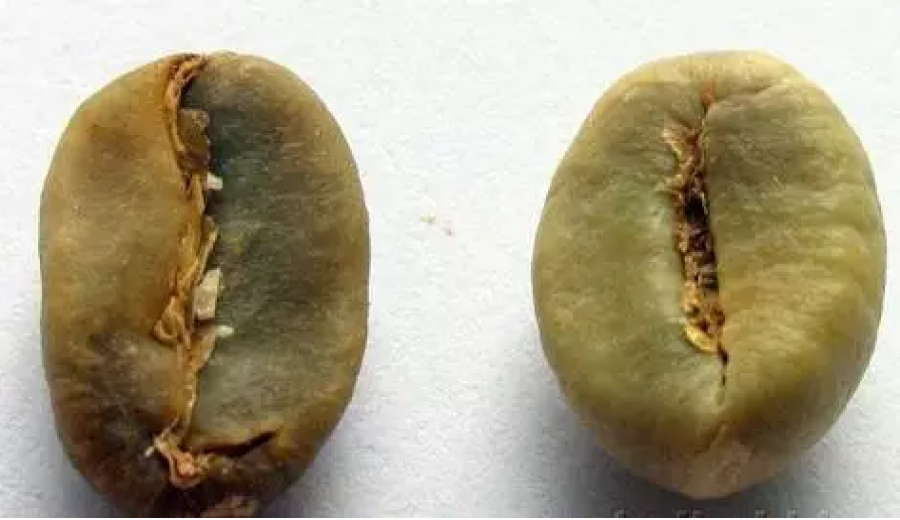
In the world of coffee, Robusta (Robusta) and Arabica (Arabica) are the two most prominent varieties, while Liberica is relatively rare. To distinguish between these two types of beans, some clues can actually be observed from their appearance before roasting. Arabica beans are typically more slender and flat in shape, with the center line showing a distinct S or C curve; in contrast, Robusta beans are rounder, closer to a spherical shape, with a noticeably straighter center line. However, once both are roasted and mixed, it becomes difficult to differentiate them by appearance alone, at which point aroma and taste become essential for further identification.
Due to its higher caffeine content and robust nature, Robusta is often used for dark roasts, especially in espresso blends, where it effectively enhances the thickness of crema and the overall body. Some commercial blends even include about 10% Robusta to boost the richness and stability of the flavor. In contrast, Arabica is renowned for its rich aromas and layered flavors. Its sucrose content is roughly double that of Robusta, which can transform into more aromatic compounds during roasting, making it more favored in the specialty coffee market.
If we take a closer look at their internal components, it’s evident that Arabica has a higher sugar content, allowing it to release more complex and sweet aromas after roasting—such as floral notes, fruity tones, chocolate, and roasted nut aromas—these are all flavor characteristics sought after by specialty coffee enthusiasts. Additionally, Arabica generally exhibits higher clarity and acidity, resulting in a more delicate taste, making it suitable for pour over or filtered brewing methods. It also takes center stage in the third wave coffee movement.
However, Robusta also has irreplaceable advantages. Its caffeine content is relatively high, ranging between 2.7% and 4%, nearly twice that of Arabica. Caffeine, as a natural pest and disease deterrent, gives Robusta stronger resistance to pests and diseases, enabling it to grow in harsher environments. But as a result, if the green beans are not processed properly, they can easily develop unpleasant off-flavors such as earthy or rubbery notes, commonly referred to as the "Robusta taste." The flavor profile of Robusta is usually simpler, characterized by intense nutty, grainy, caramel, or bittersweet sensations, making it suitable for dark roasts and formulations that emphasize a bold, full-bodied taste.
From the perspective of growing conditions, Arabica has significantly stricter environmental requirements. It prefers high-altitude regions, typically grown at elevations above 800 meters, and must avoid frost. In high-altitude environments, the large day-night temperature variation helps coffee cherries mature slowly, accumulating more flavor compounds. In addition, volcanic soil and microclimates have a significant impact on the aroma and taste of Arabica, which is also a common feature of many well-known specialty coffee regions such as Ethiopia, Colombia, and Panama. But such terrains are often steep, not conducive to mechanized operations, and harvesting costs are higher, thus the price is also relatively expensive.
In contrast, Robusta has an extremely strong adaptability to the environment. It can withstand extreme climates such as high temperatures, humidity, and drought, and can also be grown on low-altitude plains, greatly reducing the barriers to cultivation and management costs. The yield per Robusta plant is also higher than that of Arabica, and since mechanical harvesting is typically used, its production efficiency and cost control are more advantageous. As a result, it is widely used in instant coffee, canned coffee, and commercial blends, making it a high-circulation, affordable mainstay variety in the market.
In summary, Robusta and Arabica exhibit significant differences in multiple aspects, whether in appearance, flavor, internal composition, growing environment, or market positioning. Arabica excels with its rich aromas, soft acidity, and diverse flavors, making it suitable for consumers who pursue a delicate taste and high-quality coffee experience; whereas Robusta holds its own with its bold body, high caffeine content, and low cost, carving out a niche in commercial and dark roast applications. Understanding these differences can help you make more informed decisions when purchasing coffee beans, and allow you to adjust bean combinations based on your needs during brewing, further enhancing your coffee enjoyment.
The above content is compiled by CoffeeHunters, a coffee news website.


