







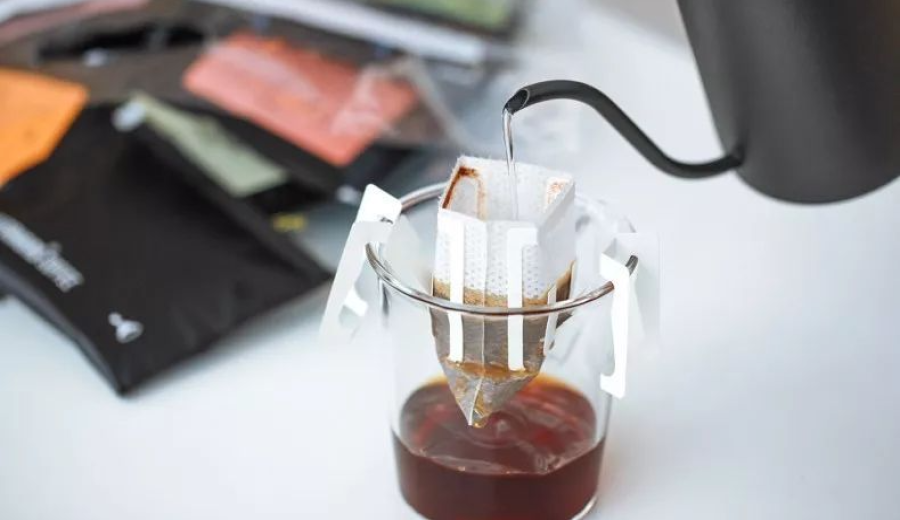
Introduction:Earl grey coffee offers the perfect balance between pour over and instant, making it ideal for busy professionals. But do you know how to brew it to bring out its optimal flavors? This article delves into the history of earl grey coffee, its extraction principles, common mistakes, and provides detailed steps and parameter recommendations to help you brew a rich and aromatic cup of black coffee. It also recommends three classic flavor beans, ranging from bright citrus notes to deep and mellow aftertastes, catering to different taste preferences.
For busy urbanites who want to enjoy a rich cup of black coffee at home but often struggle with the time and tools required for a complex pour over process, earl grey coffee becomes an ideal solution. All it takes is hot water and a cup, and in just a few minutes, you can enjoy a decent coffee experience. However, many users report that their brewed earl grey coffee often tastes weak, with aromas that lack intensity. This article will guide you through the origins of earl grey coffee, the correct brewing methods, common extraction issues, and provide practical parameter suggestions so you can also brew a professional-grade, aromatic coffee. The article will also recommend several classic coffee beans suitable for making earl grey packs, allowing you to easily choose based on your personal taste.
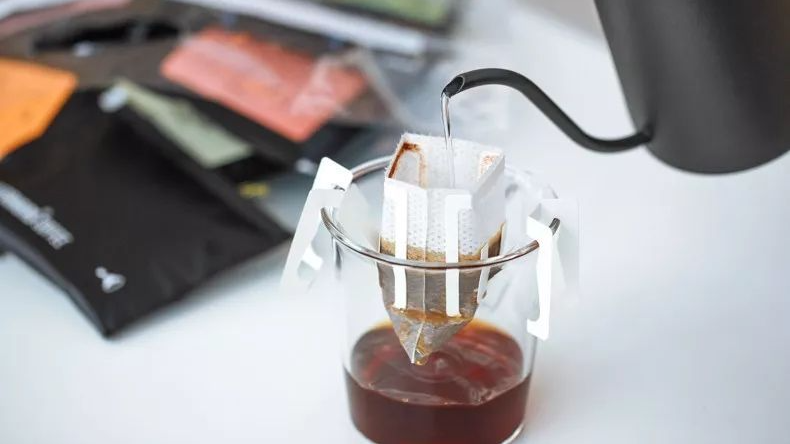 Where does the name "earl grey coffee" come from? In fact, this convenient form of coffee originated in Japan. In 1990, Yamayan Industry Co., Ltd. in Japan invented the earl grey coffee bag, inspired by traditional tea bags but incorporating the concept of pour over drip filtration. The designers added "little ears"—paper tabs that can hang onto the rim of a cup—on both sides of the non-woven fabric filter bag, allowing the coffee powder pouch to be stably suspended in the cup, mimicking the drip filtration effect of pour over. In 2002, this design was officially patented and launched on the market, gradually becoming one of the choices for coffee lovers worldwide to conveniently enjoy freshly ground coffee flavors.
Compared to traditional pour over, earl grey coffee has a much lower operational threshold—just prepare hot water and a cup, without the need for complicated equipment assembly. However, because the steps are simplified, many people are more casual about pouring techniques, water temperature control, and coffee-to-water ratios, leading to incomplete extraction and flavors not as rich as expected. Additionally, the coffee powder in earl grey packs is usually pre-ground. Compared to freshly ground coffee, its aroma evaporates more quickly. If not stored properly or kept for too long, it can easily develop cardboard or woody off-flavors. Therefore, it is recommended to consume it soon after purchase to achieve the best flavor performance.
To brew an earl grey coffee with standout flavors, water temperature and coffee-to-water ratio are two key factors. Generally speaking,the water temperature should be controlled between 90~93°C. This range can fully extract the aromatic compounds and achieve a balanced acidity and sweetness. If the water temperature is too low (e.g., below 85°C), it can lead to under-extraction, making the coffee taste bland; on the other hand, using just-boiled hot water (over 96°C) can release too many bitter and astringent substances. If you don’t have a thermometer at home, you can let boiled water sit for about 1~2 minutes to let the temperature naturally drop to the suitable range.
The coffee-to-water ratio also affects the overall balance of extraction. It is generally recommended to use a1:15 ratio, which means using 150 grams (about 150 milliliters) of hot water for every 10 grams of coffee powder. This ratio balances flavor complexity and smooth mouthfeel. If you don’t have an electronic scale, you can also use a kettle with volume markings to estimate the amount, as long as you maintain roughly the correct ratio, you can still achieve good results.
 Next, we’ll detail the actual brewing steps for earl grey coffee. First, boil the water and let it cool slightly, prepare a cup, a manual pouring kettle, and your chosen earl grey coffee pack. Most commercially available earl grey packs contain about 10 grams of coffee, which can yield approximately 120~130 milliliters of coffee liquid. Tear open the outer seal of the earl grey pack, carefully open the non-woven fabric bag along the dotted line, unfold the two "ears" on the sides, and hang them stably on the rim of the cup.
The first step is pre-wetting (also called blooming). Slowly pour a small amount of hot water, about 20~30 milliliters, to evenly wet all the coffee grounds. Let it sit for about 10~20 seconds. This period helps release carbon dioxide from the coffee grounds, laying a good foundation for subsequent extraction. Then, continue pouring with a steady and fine stream of water, keeping the liquid level rising slowly until it’s close to the rim of the cup. Once the flow rate of the coffee liquid slows down, add the final portion of water, keeping the total water volume around 150 grams. Once all the liquid has dripped through, you can enjoy a cup of black coffee with pronounced aroma and a refreshing taste.
If desired, you can also adjust the flavor with sugar or milk according to your personal taste. However, to experience the layers of the coffee itself, it’s recommended to try it in its original form first to appreciate the unique flavor profiles brought by different regions and processing methods.
 When it comes to coffee beans suitable for making earl grey packs, various flavor types can deliver excellent results. Below are three highly rated earl grey coffees with distinctive flavor characteristics, suitable for coffee lovers with different preferences.
1. Ethiopia Yirgacheffe Gedeb Cooperative (Washed Process)
Produced in the renowned high-altitude Yirgacheffe region, this bean uses the washed process to highlight bright acidity and fruity notes. Grown at altitudes between 1900~2300 meters, the variety is a local native, graded as G1. The flavor profile often includes citrus, berries, lemon, green tea, and a hint of sugarcane sweetness, making it ideal for those who enjoy fresh, sweet-and-sour flavors.
2. Brazil Queen’s Estate (Yellow Bourbon / Medium-Dark Roast)
From the premium coffee estate in the Mogiana region of Brazil, known for its hand-picking and meticulous processing. Using the Yellow Bourbon variety with a medium-dark roast, it brings out the characteristic richness and sweetness of Brazilian coffee. Key flavors include dark chocolate, cream, nuts, peanuts, and sugarcane, suiting consumers who prefer a bold, smooth cup with a pronounced aftertaste.
3. Ethiopia Sidamo Huaca (Natural Process)
This coffee bean, which won the 2017 TOH Natural Category Championship, boasts unmistakable strawberry cream and berry notes. Through refined natural processing, it delivers intense honey, berry, passion fruit, black tea, and lemon aromas, with balanced sweetness and acidity and rich layers. It’s a must-try for coffee enthusiasts who love unique flavors and fruity profiles.

The above content is compiled by CoffeeHunters, a coffee news website.


