







Introduction:For those who are just starting out with pour over or espresso, facing the wide array of coffee beans available on the market can often make it difficult to know what to choose. In fact, by mastering three key elements—purchase channel, roast level, and freshness—you can easily select daily beans that suit your personal taste. This article will delve into how to choose beans with different roast levels—light, medium, and dark—based on your individual preferences, and remind you to pay attention to the importance of roast date, so you can enjoy the best-flavored coffee within a reasonable budget.
For many beginners in the coffee world, faced with the various origins and roast levels of coffee beans available in supermarkets or online, it’s often unclear where to start. In fact, by focusing on three core aspects: source of purchase, roast level, and freshness of roast date, you can significantly reduce the chance of making a wrong choice and find a daily bean that suits your drinking habits.
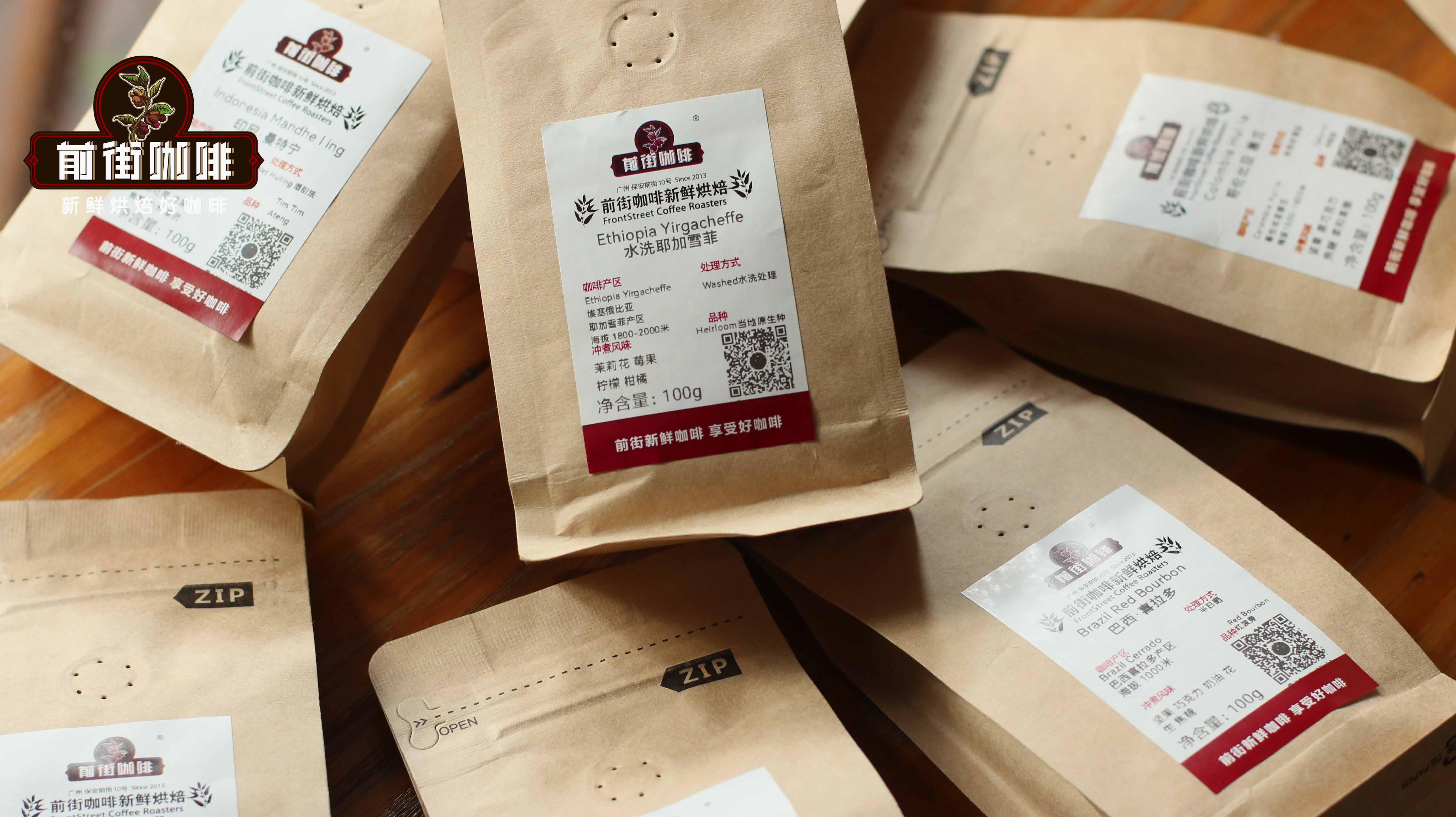
First, in terms of purchase channels, it is recommended to prioritize merchants with brand guarantees or official flagship stores. Taking a local Guangzhou brand as an example, its online and physical stores both offer a variety of freshly roasted options, including beans from different growing regions and varieties, among which there are many everyday beans with outstanding flavor and reasonable prices. These products are usually put on the shelves for sale shortly after roasting, ensuring that consumers can taste the coffee at its optimal flavor stage, and they also provide fast delivery services, allowing beginners to easily get high-quality coffee beans.
Secondly, understanding the impact of different roast levels on coffee flavor is crucial. Generally speaking, commercially available coffee beans can be broadly divided into three main categories: light roast, medium roast, and dark roast, each bringing a distinctly different taste experience.
Lightly roasted coffee beans are usually roasted for a shorter time and have a lighter color. After brewing, they often exhibit pronounced fruity acidity, and some varieties also have elegant floral notes. These beans are especially suitable for drinkers who prefer a refreshing acidic profile. It is recommended to use methods such as pour over, cold brew, drip bags, or American drip to extract them, which can fully showcase their fresh fruit aroma and juice-like layers. For example, certain beans from high-altitude regions are favored by pour over enthusiasts for their unique floral and fruity characteristics.
Medium-roasted coffee beans are roasted slightly longer than light roast, with a relatively prominent sweetness, good balance of acidity and bitterness, and aromas derived from caramelization such as nuts, chocolate, and maltose. These beans are suitable for consumers seeking a balanced flavor profile. Whether using pour over, drip bags, moka pot, or American drip, they can all showcase their overall sweet and mildly acidic qualities. Some medium-roast beans also carry a slight citrus note, adding layers to the overall flavor.
As for dark roast, it has the longest roasting time and the darkest color. After brewing, it presents a rich and full-bodied character, with intense and often smoky aromas. These beans are dominated by bitter notes, while also containing a variety of flavors such as caramel, spices, baked bread, and dark chocolate, with a long-lasting aftertaste. They are especially suitable for those who do not prefer acidic flavors. Among the bestsellers, common dark roast pour over beans include specific varieties such as Mandheling and Huila from particular regions, while dark roast blends suitable for espresso machines and moka pots can produce thick and bold espressos.
Finally, never overlook the roast date of the coffee beans, as it is one of the key factors affecting flavor performance. Generally speaking, coffee beans are at their peak flavor 4 to 30 days after roasting. It is recommended to enjoy them within this period to get the best taste. After 30 days, the aroma and flavor of the beans will gradually decline, and the overall performance will become relatively bland. Therefore, when purchasing, be sure to pay attention to the roast date on the packaging, prioritize freshly roasted products, and plan your consumption schedule reasonably to ensure that every cup of coffee can showcase its deservedly wonderful flavor.
The above content is compiled by CoffeeHunters, a coffee news website.


