








Introduction:Extraction pressure is one of the key factors that determine whether an espresso shot is successful. It not only affects the formation of the crema but also directly influences the taste and flavor balance of the coffee. This article delves into the working principles behind the standard 9bar pressure, analyzes common causes of pressure abnormalities, and provides practical troubleshooting and adjustment tips to help coffee enthusiasts and beginners effectively master the secrets of stable extraction.
Espresso, as the base for lattes, cappuccinos, and Americanos, is most notably characterized by the delicate, golden layer of coffee foam on its surface—crema. The presence of this foam is not just a visual delight but also a key indicator of coffee freshness and the success of the extraction. To consistently extract this captivating layer of foam,Extraction Pressure Controlis9barcrucial, especially maintaining it at around

The reason espresso can achieve its intense flavor and dense crema lies in its unique high-pressure extraction process. While typical pour over or filter coffee is brewed under atmospheric pressure—resulting in a clean cup with bright flavors—it does not produce crema. In an espresso machine, finely ground coffee is exposed to hot water under9bar of pressure, causing the carbon dioxide within the coffee grounds, which is in a supersaturated state, to dissolve into the liquid along with the oils.
When the coffee flows out of the machine and returns to normal atmospheric pressure, the carbon dioxide that was dissolved in the liquid begins to release. At this point, the oils encapsulate these gases, forming a fine, dense foam layer—what we call crema. Therefore, not only is pressure essential, but using freshly roasted, high-quality coffee beans is also crucial for achieving the ideal crema.
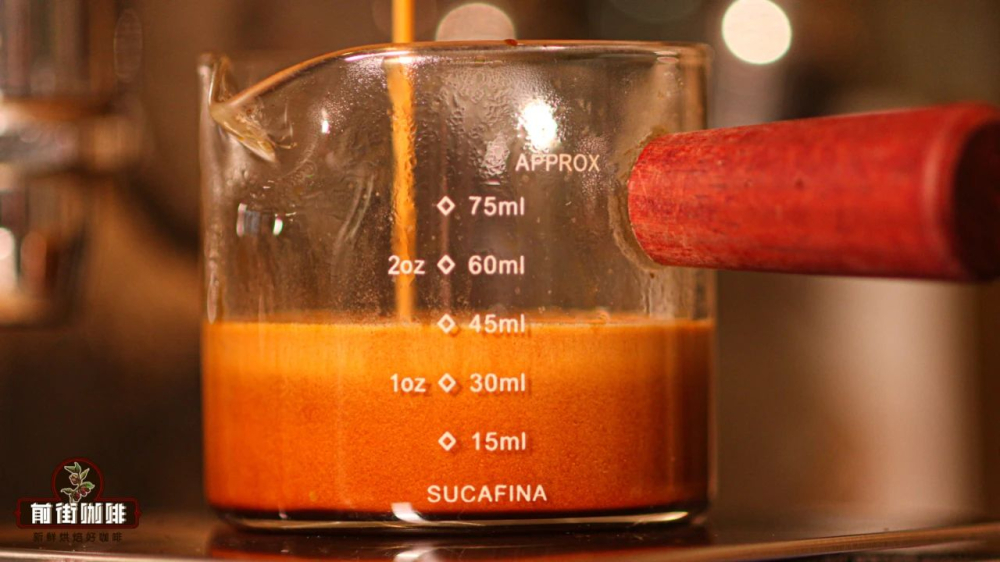
Compared to the fruit and floral notes often pursued in pour over brewing, espresso places greater emphasis on a rich body and abundant crema. To achieve such characteristics, it is generally recommended to usemedium to dark roastedcoffee beans. For example, those who enjoy nutty profiles might try a blend of Brazilian and Colombian beans; if you prefer a thicker, creamier crema, you could opt for commercial blends that contain a small amount of Robusta, as these can enhance both the texture and brightness of the crema.
To extract a stable espresso with balanced flavor, pressure control is core. Most common home or commercial espresso machines generate pressure through a pump, typically with a standard value of9bar. Under this pressure, the extraction time usually lasts only20–30 seconds, known as "pressure-based extraction." This is vastly different from the 2–3 minutes required for pour over, allowing for the rapid release of soluble compounds in the coffee while maintaining a well-balanced acidity, sweetness, and body.

Currently, the pumps found in espresso machines on the market can be broadly divided into two types: vibratory pumps and rotary pumps. Vibratory pumps generate pressure through a piston-like reciprocating motion. Their advantages include affordability and ease of installation, but they often come with louder operation, poorer pressure stability, slower pressure build-up, and difficulty in precisely maintaining 9bar. Rotary pumps, on the other hand, generate stable pressure through the rotation of metal blades. They operate smoothly, produce less noise, and allow for more precise control over extraction pressure, making them more common in professional-grade commercial machines—especially suitable for high-volume environments.
When extraction pressure becomes abnormal—whether too low or too high—it directly impacts the final quality of the coffee. For example, if the pressureis below 9bar, the soluble compounds in the coffee cannot be fully extracted, leading to under-extraction. The crema will become thin, pale, or even grayish-white, and the flavor will seem weak and insipid. Conversely, if the pressureis above 9bar, although extraction efficiency increases, it may lead to over-extraction, resulting in pronounced burnt bitterness and astringency that disrupts overall balance.
However, unstable pressure is actually quite common, especially in home or small shop settings. If hardware malfunctions are ruled out, the following are common causes of insufficient pressure. Understanding these issues can help with more accurate troubleshooting and adjustments:

1. Insufficient heating time, boiler water temperature not reaching standard
If the espresso machine has not been sufficiently preheated, the water temperature in the boiler will be too low, affecting the generation of steam pressure and subsequently leading to insufficient overall extraction pressure. Before use, make sure the machine is preheated to a stable operating temperature, typically recommended to be around 15–30 minutes depending on the model.
2. Boiler capacity too small, pressure drops after continuous use
Some small espresso machines have limited boiler capacity. When making multiple shots in succession or frequently drawing hot water, the water level and pressure inside the boiler can drop quickly. During the time it takes to refill and reheat, pressure often cannot be stably maintained at 9bar. If you often experience situations where “the pressure drops,” you may need to consider upgrading to a machine with a larger boiler capacity.
3. Factory-set boiler pressure too low
Some machines are factory-set with a boiler pressure value that is inherently lower than the standard extraction requirements. As a result, even if the machine is functioning properly, the actual steam and extraction pressure provided may still be insufficient. Such issues usually require adjustment by a professional technician. It’s advisable to contact the manufacturer or a qualified repair technician for pressure recalibration—never attempt to disassemble the boiler system yourself.
In summary, stable9bar extraction pressureis the foundation for crafting an ideal shot of espresso, influencing not only the texture and appearance of the crema but also directly determining flavor expression. By understanding the common causes of pressure instability and methodically checking preheating, boiler capacity, and parameter settings, even beginners can gradually master the art of stable extraction, ensuring each shot of espresso showcases the refined crema and rich body it deserves.
The above content is compiled by CoffeeHunters, a coffee news website.


