







Introduction:One of the charms of pour over coffee lies in how different roast levels showcase the unique personality of each coffee bean. This article delves into the differences between medium-light and dark roast beans in terms of flavor profiles, acid-to-bitterness balance, and suitable growing regions. It also provides detailed brewing guides for two representative beans, including filter choice, water temperature control, grind size, and actual flavor performance, helping coffee enthusiasts master the key elements of brewing and find their preferred flavor direction.
When exploring the world of pour over coffee, roast level is one of the most critical factors influencing flavor. From the bright and fresh notes of medium-light roasts to the bold and rich flavors of dark roasts, each coffee bean presents entirely different aroma and taste layers depending on the degree of roasting. Whether it’s high-altitude fruity beans from Africa or the common herbal and spicy profiles found in Southeast Asia, roast level not only affects how flavors are expressed but also determines the brewing parameters to be used.
Many specialty coffee enthusiasts often wonder why the same bean can differ so greatly at different roast depths. The answer lies in the complex internal changes that occur during roasting, including the balance of acidity, sweetness, bitterness, and aroma, all of which continuously adjust with temperature and time. For example, coffee beans from Ethiopia’s Yirgacheffe region are renowned for their vibrant citrus and berry acidity. When brewed as a medium-light roast, these fresh qualities are more pronounced. In contrast, Indonesia’s Sumatra Mandheling, which inherently carries herbal and spicy undertones, benefits from a dark roast to further bring out its richness and caramelized notes.
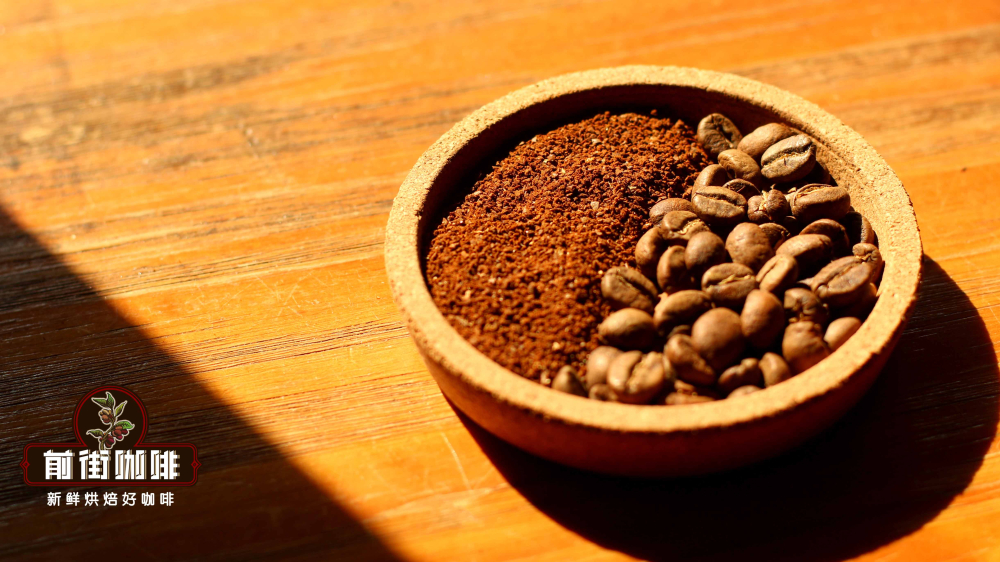
Generally speaking, the American roasting system divides roast levels into eight main stages, from lightest to darkest: Light Roast, Cinnamon Roast, Medium Roast, High Roast, City Roast, Full City Roast, French Roast, and Italian Roast. Each stage not only involves a change in color but also a noticeable shift in flavor profile.
Light Roast (just before first crack) often retains grassy notes, with aromas not yet fully developed. It’s typically used for experimental purposes and is less commonly consumed. Cinnamon Roast (beginning of first crack) features bright acidity and emerging aromas, making it suitable for crisp American-style coffee. As we move into Medium Roast, the balance between acidity and bitterness begins to harmonize, the bean surface turns chestnut-colored, and it’s commonly used for most single-origin and blended coffees. Medium-Deep and City Roasts (around the end of first crack) offer a rounder mouthfeel with balanced acidity and bitterness, falling within the range most widely accepted by the general public.
Entering the realm of dark roasts, such as Full City Roast (beginning of second crack), the bean surface turns brownish and the acidity diminishes while sweetness increases, resulting in a fuller body—ideal for iced or black coffee. French Roast (intense second crack) intensifies the bitterness, nearly erasing acidity, and brings out strong chocolate and smoky notes, commonly found in European-style coffees. Finally, Italian Roast (end of second crack) features an oily, nearly black bean surface with an intense, charred flavor, primarily used in espresso systems.
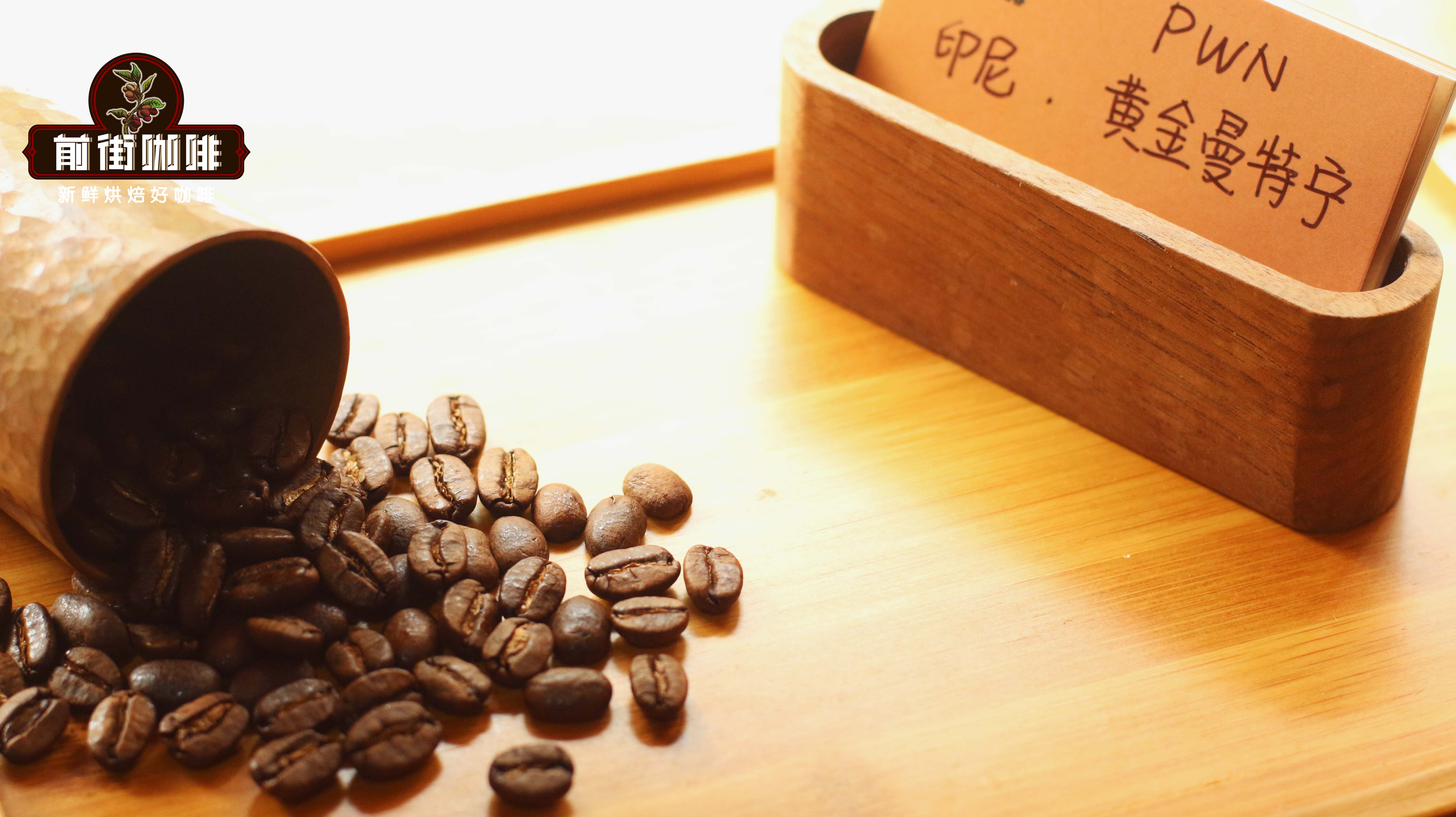
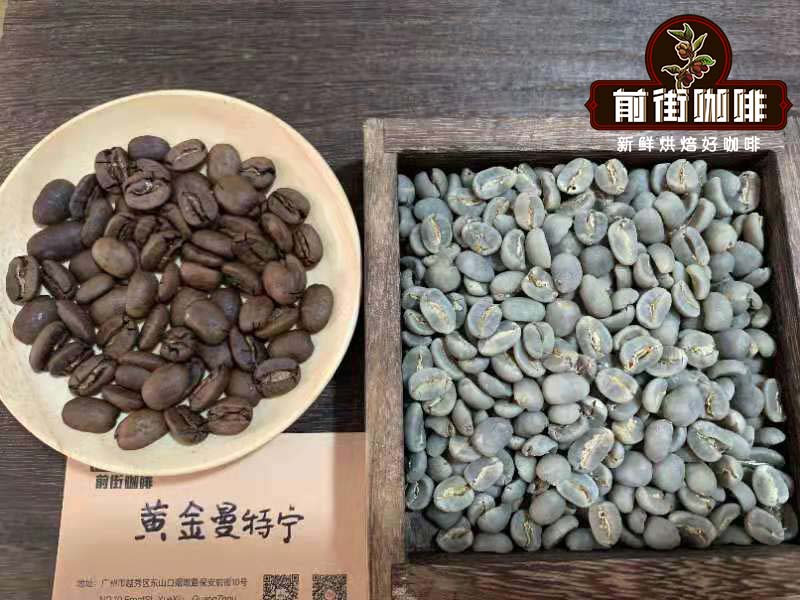
In actual tasting, dark roast beans like those from Indonesia’s Mandheling series—due to their regional characteristics and wet-hulling process—are better highlighted with a dark roast to emphasize their spicy and full-bodied tones. Take PWN Golden Mandheling, for instance, which comes from Gayo Mountain in Sumatra, grown at altitudes of 1100–1600 meters. The variety is Ateng, processed using the wet-hulling method. Cupping notes often include baked toast, nuts, pine, and caramel, with clear herbal undertones and an overall rich yet clean profile. This particular batch is carefully selected, using only G1 grade beans larger than 18 mesh with a defect rate below 3, free from earthy or off odors, resulting in a purer taste upon brewing.
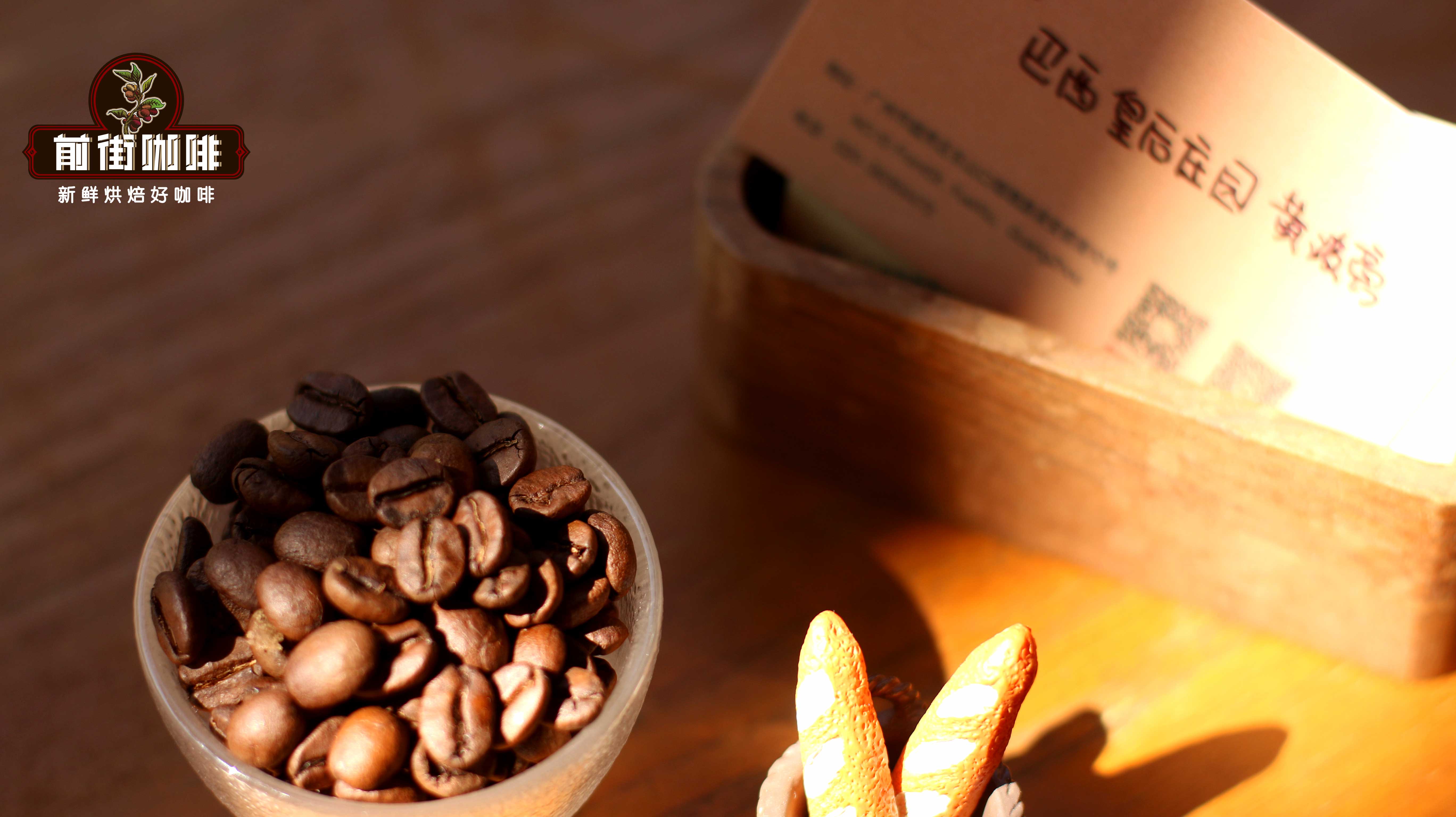
Another Indonesian option, Lintong Mandheling, also uses the wet-hulling method and is sourced from the Lintong region near Lake Toba, at elevations of 1100–1600 meters. The varieties include Typica and Catuaí, with flavors dominated by baked toast, nuts, caramel, and herbs. It’s an entry-level everyday bean, low in acidity and high in body, perfect for daily drinking. Tiger Mandheling emphasizes varietal balance, mainly Catuaí and Typica, with even flavor, high cleanliness, and notes of cream and dark chocolate—it’s a top choice for many seasoned coffee drinkers. Aged Mandheling, on the other hand, undergoes two to three years of storage maturation, resulting in reduced acidity and more pronounced sweetness and herbal notes. However, attention must be paid to storage conditions to avoid the development of off-flavors.
In contrast, medium-light roast beans are most famously represented by Ethiopia’s Yirgacheffe. This region, with elevations of up to 1900–2300 meters, produces washed-processed beans like the fruit-forward Gedeb Guji. The variety is a local landrace, and cupping notes include tropical fruits, cream, honey, and berries, with bright acidity and distinct citrus tones—a typical representation of high-altitude freshness. Another option, the natural Red Cherry, undergoes full red-fruit sun-drying and boasts rich sweetness along with berry, lemon, and fermented wine notes. Its bold and expressive flavors make it an ideal choice for coffee lovers who prefer fruity profiles.

For pour over enthusiasts, choosing between medium-light or dark roast ultimately depends on personal taste preference. However, beans of different roast levels do require slight adjustments in brewing parameters to achieve optimal extraction. For example, Indonesia’s PWN Golden Mandheling is recommended to be brewed using a Kono filter, with water temperature controlled at 86°C, a 1:15 coffee-to-water ratio, and a medium-fine grind (approximately BG#6W). A step brewing method is advised: first, bloom with 30 grams of water for 30 seconds, then pour in a slow circular motion until reaching 125 grams, followed by pouring up to 225 grams. Total brew time is around 2 minutes, effectively highlighting the nutty, chocolatey, and spicy layers, with a long-lasting finish.
As for Ethiopia’s Yirgacheffe Gedeb Guji, it is recommended to use a V60 #01 filter, with water temperature increased to 90–91°C, maintaining the same 1:15 coffee-to-water ratio and a medium-fine grind (about 80% through a 20-mesh sieve). The V60’s spiral ribs allow for rapid water flow, making it well-suited for the bright acidity of medium-light roast beans. During brewing, evenly pour hot water to achieve a balanced acidity-sweetness profile, featuring prominent berry, cream, and tropical fruit notes. As the temperature slightly cools, the citrus tones become more apparent, leaving a refreshing and long-lasting aftertaste.
The above content is compiled by CoffeeHunters, a coffee news website.


