







Introduction:Pour over and espresso are two of the most popular brewing methods, differing significantly in flavor expression, extraction time, and equipment requirements. This article delves into the extraction principles of both, explores the types of coffee beans suited for each, and provides practical single-origin brewing parameters to help you find the most suitable method based on your taste preferences and lifestyle.
In today’s era where specialty coffee is increasingly valued, choosing how to brew a cup of coffee has become an important consideration for many coffee enthusiasts. Pour over and espresso are the two most common mainstream methods, not only vastly different in brewing style but also each excelling in flavor complexity and suitable scenarios. Understanding the fundamental differences between these two methods can help you make the most appropriate choice based on bean characteristics and personal taste preferences.
Espresso: The Essence of Concentration, Quick Energy Boost
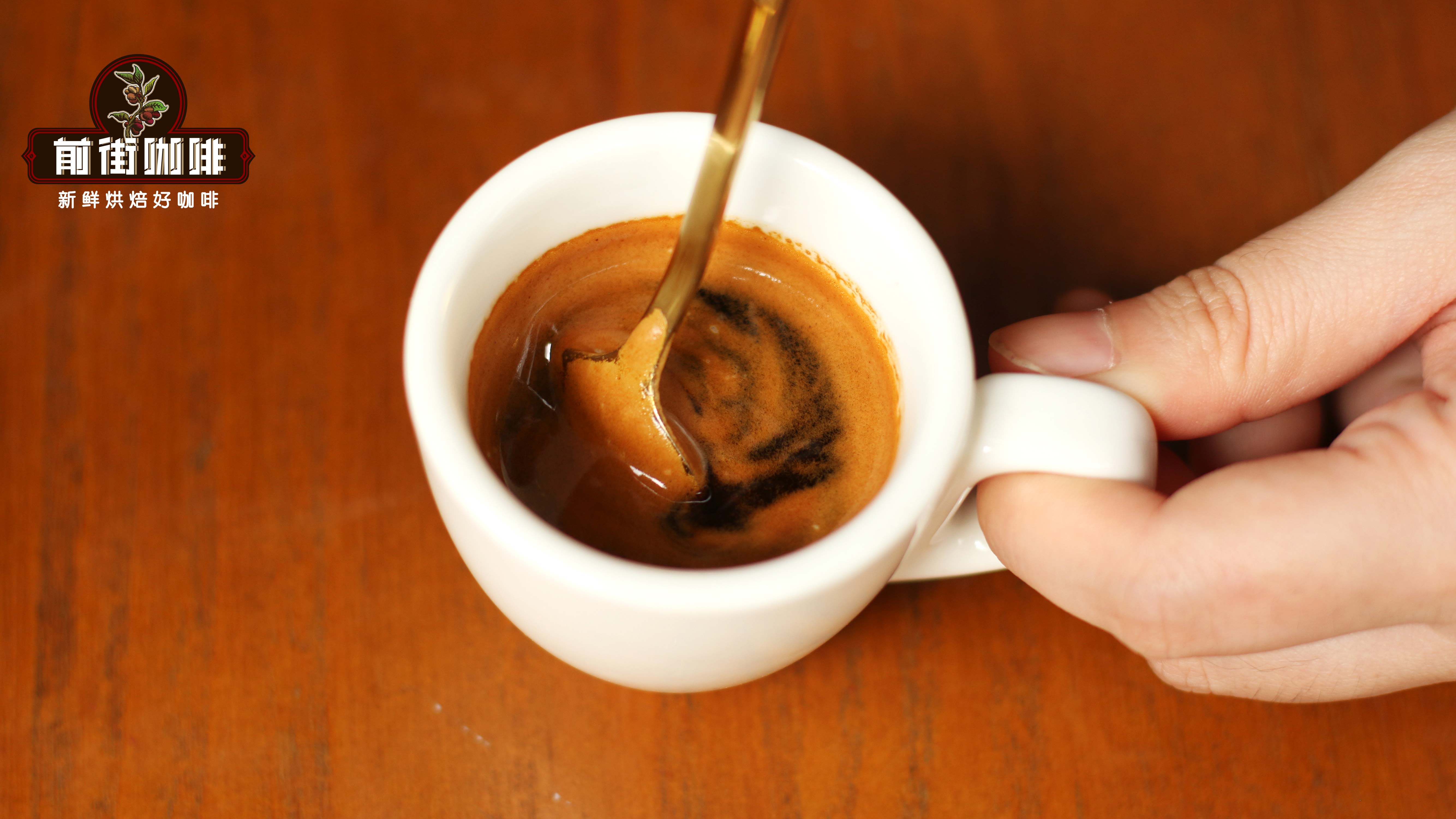
Espresso, especially the classic Italian-style shot, is a representation of Italian coffee culture. This brewing method emphasizes high water temperature and high-pressure water flow, using extremely finely ground coffee to extract a rich coffee liquid in an extremely short time (typically25 to 30 seconds). The resulting coffee is not only concentrated but also dense, often featuring a layer of golden-brown crema—Cremacomposed of proteins, oils, and sugar-amino compounds—which, though debated, is widely regarded as one of the symbols of high quality.
Espresso itself has a strong flavor, low acidity, and a thick body, serving as the base for many milk-based coffees such as lattes and cappuccinos. When consumed alone, its intense flavor directly impacts the taste buds, making it ideal for those who enjoy a concentrated taste. Additionally,brewing a standard shot of espresso usually takes only about 1 minute, making it highly convenient for a busy lifestyle.
Pour Over Coffee: Slow and Steady, Savoring Terroir
Compared to the pressure extraction of espresso, pour over relies entirely on gravity and time. Hot water slowly passes through the coffee grounds, filtered by paper to separate the grounds, with the entire process typically taking2 to 3 minutes. The extraction time is longer, the coffee-to-water ratio is higher, commonly around1:15 or 1:16, which is more diluted compared to espresso’s 1:2.
Pour over emphasizes a "clean" and "clear" flavor presentation, particularly well-suited for highlighting the regional characteristics of single-origin beans—such as the bright citrus acidity of African beans, the nutty notes of Central and South American beans, or the rich sweetness of Asian beans. The flavor profile of pour over is usually more linear, with distinct layers that don’t blend together, making it ideal for sipping neat to appreciate the subtle nuances of the coffee itself.
Flavor and Extraction: A Comparison of Two Approaches
The flavor profiles of pour over and espresso are polar opposites. Espresso emphasizes concentration and blending, making it ideal for showcasing the richness of coffee paired with milk; whereas pour over focuses on highlighting the bean’s inherent flavors—such as floral notes, fruit acidity, sweetness, and aftertaste—with a clear, smooth mouthfeel and well-defined layers.
Additionally, pour over offersgreater flexibility in operation, as factors like the choice of dripper (e.g., V60, Kalita Wave, clever dripper), grind size, and water temperature all influence the final extraction. Espresso, on the other hand, relies more on stable equipment pressure and precise control of grind coarseness, presenting a slightly higher barrier to entry for beginners.
Equipment and Cost: Which Is More Budget-Friendly?
In terms of equipment cost, pour over has a relatively lower barrier to entry. With just a pour over kettle, dripper, filter paper, and a scale, you can begin exploring the world of pour over. Espresso, however, requires an espresso machine and grinder—even home models are generally more expensive and demand a certain level of technical skill and maintenance.
That said, there are affordable home espresso machines on the market, but if you aim to consistently brew espresso close to café quality, investing in a machine with stable pressure and precise temperature control remains the choice of many coffee enthusiasts.
Pour Over vs Espresso: How to Choose What’s Best for You?
Choosing between pour over or espresso isn’t about absolute right or wrong—it depends on personal needs and lifestyle. If you value convenience and speed, and enjoy pairing coffee with milk, espresso is undoubtedly the more efficient choice. If you prefer exploring the origin flavors of coffee beans and savoring the slow brewing process, pour over offers a more nuanced tasting experience.
Moreover, pour over is ideal for neat drinking, fully showcasing the bean’s details and layers, while espresso is better suited for milk-based blends, creating a variety of coffee drinks. Both have their devoted followers and unique charms.
Practical Demo: Pour Over Parameters for Single-Origin Beans
Below are practical brewing parameters for a single-origin coffee bean suitable for pour over, shared for readers’ reference:
Coffee Bean Info:
Region: Huila
Altitude: 1500 meters
Variety: Caturra
Processing Method: Anaerobic Natural
Brewing Recommendation:
- Dripper: V60
- Coffee-to-Water Ratio:1:15
- Water Temperature:91°C
- Grind Size: Medium-fine, approximately 20-mesh sieve passing rate80%
- Technique: 30g water for blooming30 seconds → Second pour to125g → Third pour to225gStop, total extraction time approximately2 minutes, remove dripper immediately after filtration.
These parameters fully highlight the bean’s fruity aroma and sweetness, suitable for coffee lovers who enjoy pronounced fruit notes and a refreshing mouthfeel. During actual brewing, you can fine-tune water temperature and grind coarseness according to personal taste to find your ideal balance.
In summary, pour over and espresso represent two distinct coffee experiences and philosophies of appreciation. Regardless of which you choose, understanding their principles and characteristics is key to embarking on your own journey of discovering coffee flavors.
The above content is compiled by CoffeeHunters, a coffee news website.


