







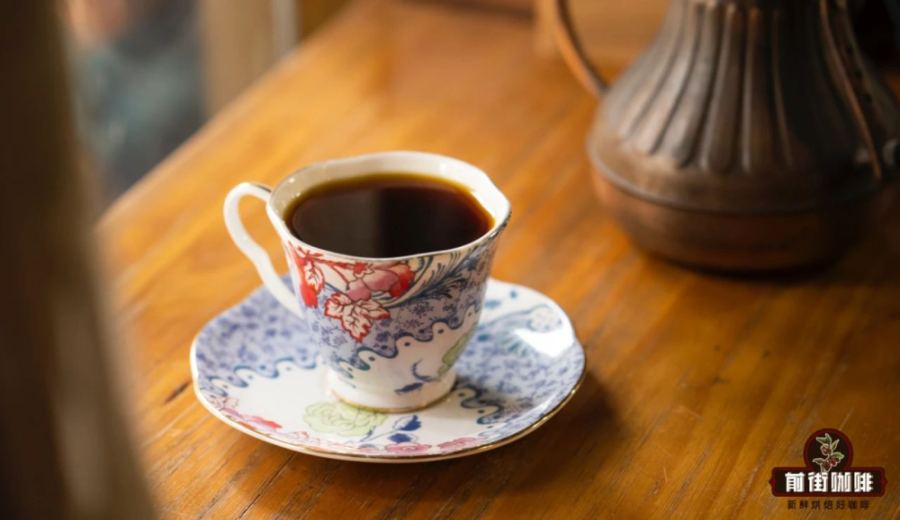
Introduction:Geisha coffee has gained immense fame in recent years and is hailed as one of the top-tier specialty coffee varieties in the world. But have you ever wondered if chain coffee shops like Starbucks sell Geisha? And how much does a cup cost? This article will delve into the historical origins, regional characteristics, various grading classifications, as well as practical tasting and pour over recommendations for Geisha, helping you gain a comprehensive understanding of this highly acclaimed specialty coffee.
Geisha (Geisha) coffee has long been regarded as one of the most expensive and representative specialty coffees in the world. Many people are curious whether chain coffee shops like Starbucks also offer it, and what the price range might be. In fact, Geisha has gradually become more accessible and is no longer limited to high-end specialty coffee shops. It can now be found across chain brands and professional roasteries, with prices ranging from tens of yuan to over a hundred yuan, depending on the bean origin, growing region, and processing method.
This coffee originated in the Geisha forest of Ethiopia, where it was first discovered in 1931. Originally pronounced the same as "geisha" (the traditional Japanese entertainer), it was later transplanted to Panama and rose to fame after 2005 due to the outstanding performance of Panama’s Hacienda La Esmeralda. It has even won first place in international coffee competitions for multiple consecutive years. Today, Geisha is not just a competition coffee but has also become a dream delicacy for many coffee enthusiasts.
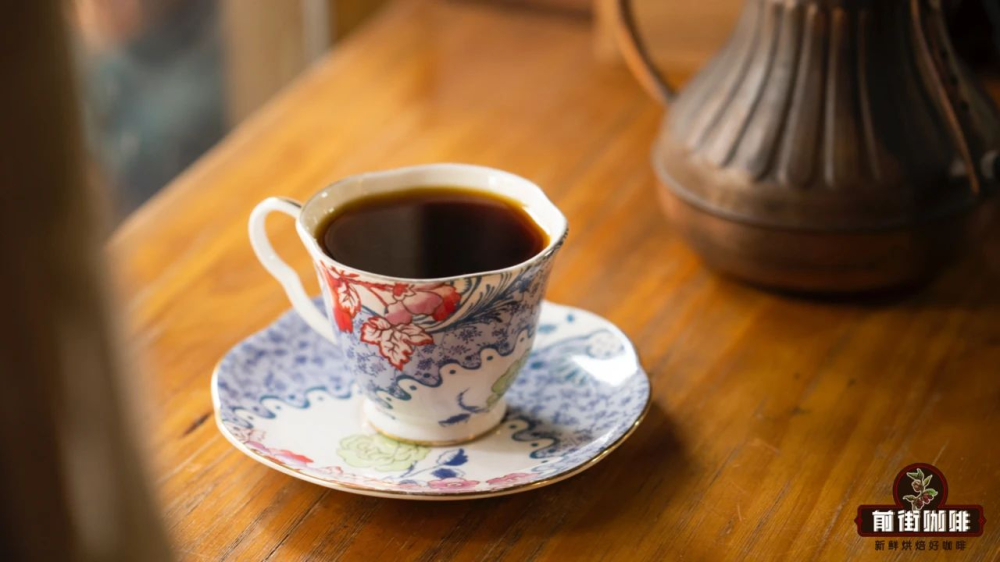
When talking about Geisha, one cannot overlook Panama’s Hacienda La Esmeralda. This estate classifies Geisha into three main grades based on altitude and processing conditions: Red Label, Green Label, and Blue Label. The Red Label is the highest grade, typically sourced from specific micro-lots at altitudes above 1,600 meters, such as Jaramillo, El Velo, and Canas Verdes. It boasts intense floral aromas, tropical fruit notes, and a tea-like aftertaste. The Green and Blue Labels are often blends or from slightly lower altitudes, with more affordable pricing, making Geisha’s unique flavors accessible to a wider range of consumers.
The Boquete region in Panama is one of the key birthplaces of Geisha coffee. This area, near the Baru volcano, features fertile and well-drained soil. Coupled with the cool climate and frequent fog brought by high altitude, the ripening process of coffee cherries is slowed down, allowing for the accumulation of richer flavor compounds. This unique microclimate results in Boquete-grown Geisha coffee often exhibiting distinct citrus, bergamot, and lemon acidity, paired with floral notes and delicate sweetness, offering a clean and layered mouthfeel.
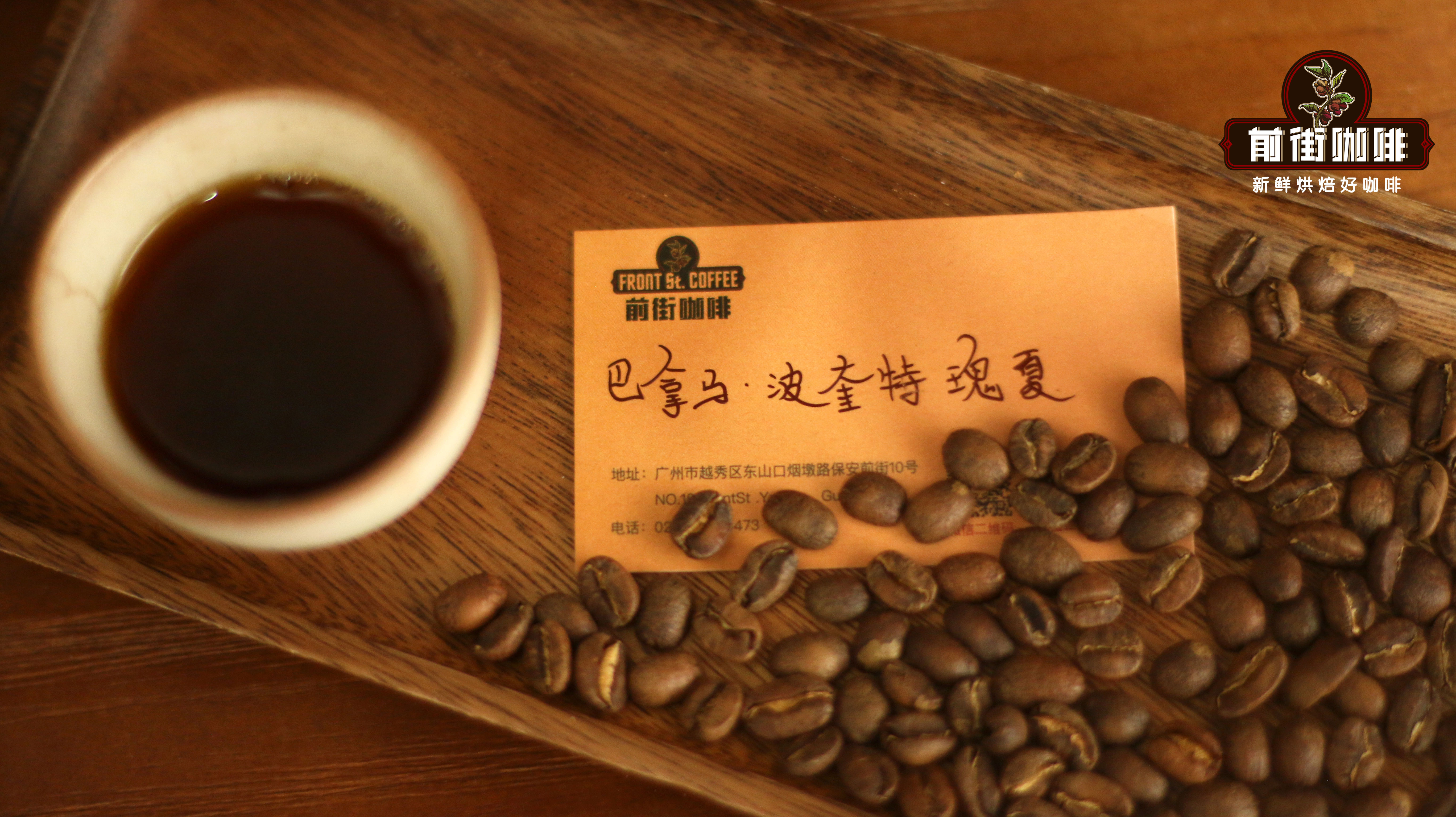
The processing method for Geisha is predominantly washed, a traditional technique that effectively highlights the coffee’s purity and clarity of flavor. During processing, coffee cherries are depulped, fermented to remove the mucilage, then rinsed with clean water and dried appropriately, with the parchment layer retained until export preparation. Washed Geisha often showcases a brighter and more vibrant acidity, such as lemon, green tea, and white floral notes, while maintaining good body and aftertaste. It is a top choice for many pour over enthusiasts.
If you plan to brew Geisha coffee at home using a pour over method, here are the professionally recommended parameters and steps. It is suggested to use a V60 dripper, with water temperature controlled at 91°C, and a coffee-to-water ratio of 1:15 (for example, 15 grams of coffee grounds to 225 grams of water). The grind size should be medium-fine, roughly equivalent to 80% extraction through a 20-mesh sieve in China. Specifically, start with a 30-gram bloom for about 30 seconds to allow the coffee grounds to fully expand and release aroma. Then, pour up to 125 grams of water at the 1-minute mark, wait until the water level drops to about two-thirds, and continue pouring up to 225 grams. The total extraction time should be around 2 minutes to ensure balanced flavors and avoid over-extraction.
When tasting washed Boquete Geisha, you can often perceive clear citrus tones, along with fresh acidity from lemon and bergamot. The entry is smooth with a buttery texture, and the finish carries a subtle sweetness reminiscent of green tea and honey. This flavor profile makes Geisha not only ideal for drinking on its own but also a great match for light snacks and desserts, enhancing the overall drinking experience.
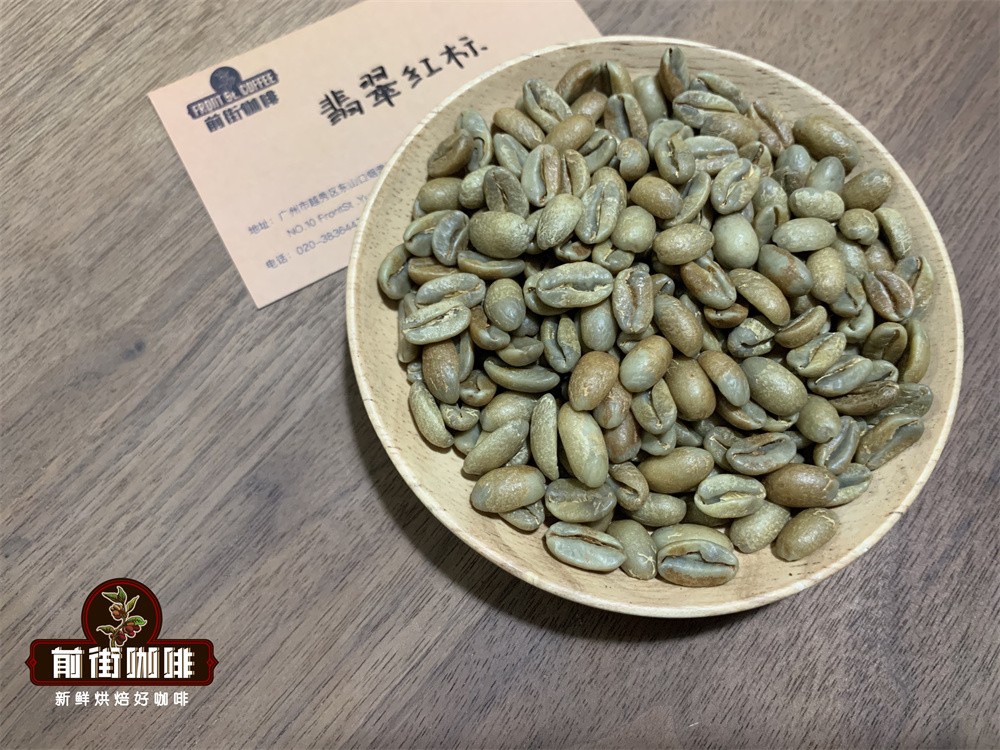
Regarding the price of Geisha coffee, due to its scarce production regions, high processing costs, and the prestige of international awards, premium-grade Geisha from Panama’s Hacienda La Esmeralda Red Label can cost over a hundred yuan per cup. Meanwhile, choosing Green Label or Blue Label, or Geisha varieties from countries like Colombia or Guatemala, offers more affordable options, generally ranging from tens to a hundred yuan, while still delivering the distinctive floral and fruity notes and refreshing flavors of Geisha.
In addition, many consumers may wonder if they can try Geisha at mainstream chains like Starbucks. Currently, Starbucks’ official menu rarely lists “Geisha” as an item directly, but in some seasonal or premium outlets, Geisha-based specialty drinks or coffee offerings might be available. Customers are advised to ask the baristas or keep an eye on seasonal specials. However, to truly experience the original character of Geisha, opting for premium washed Geisha from Panama’s Boquete region remains the more direct and recommended approach.
In summary, with its unique historical background, terroir, and refined processing techniques, Geisha coffee has established itself as a leader in the specialty coffee world. Whether you’re a first-time taster or a seasoned coffee aficionado, understanding its grading categories, flavor profiles, and ideal brewing methods will allow you to better appreciate the captivating charm of this “king of coffees.”
The above content is compiled by CoffeeHunters, a coffee news website.


