







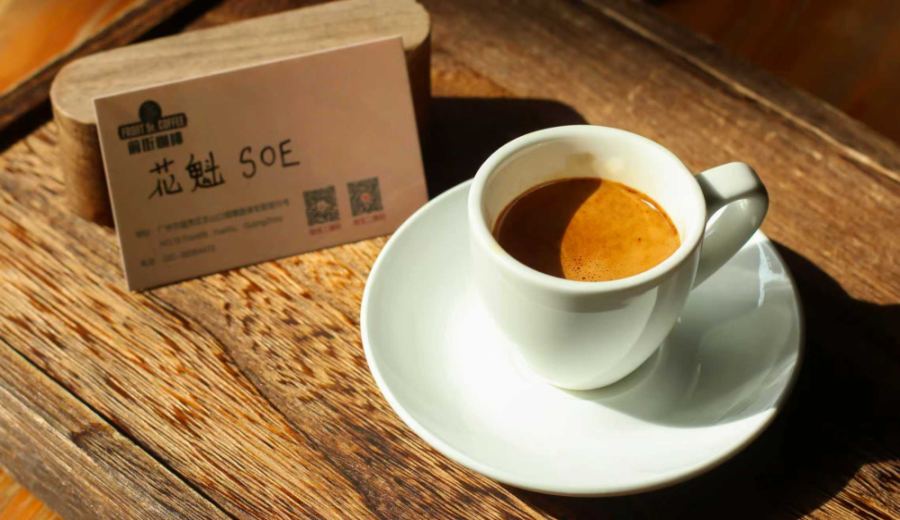
Introduction:When choosing coffee beans, many people often hesitate between SOE (single origin espresso) and espresso blends. SOEs can showcase the unique flavors of specific regions, but they tend to be more expensive and have slightly lower batch consistency. Espresso blends, on the other hand, emphasize balanced flavor and long-term consistency, making them ideal for everyday drinking. This article delves into the differences between SOEs and blends, explores how roast levels affect extraction, and provides a detailed introduction to five distinctive SOE coffees—covering everything from flavor profiles to roast degrees—to help you make the right choice based on your preferences.
When ordering at a café, you often face a choice: do you go for an SOE that highlights the character of a specific region, or an espresso blend with balanced and consistent flavors? SOE, or Single Origin Espresso, refers to espresso made using beans from a single origin. This approach highlights the unique terroir of the region—such as bright acidity, distinctive floral notes, or unique sweetness. However, due to seasonal variations and harvest batches, the flavor profile of SOEs may fluctuate, and their price is relatively higher.
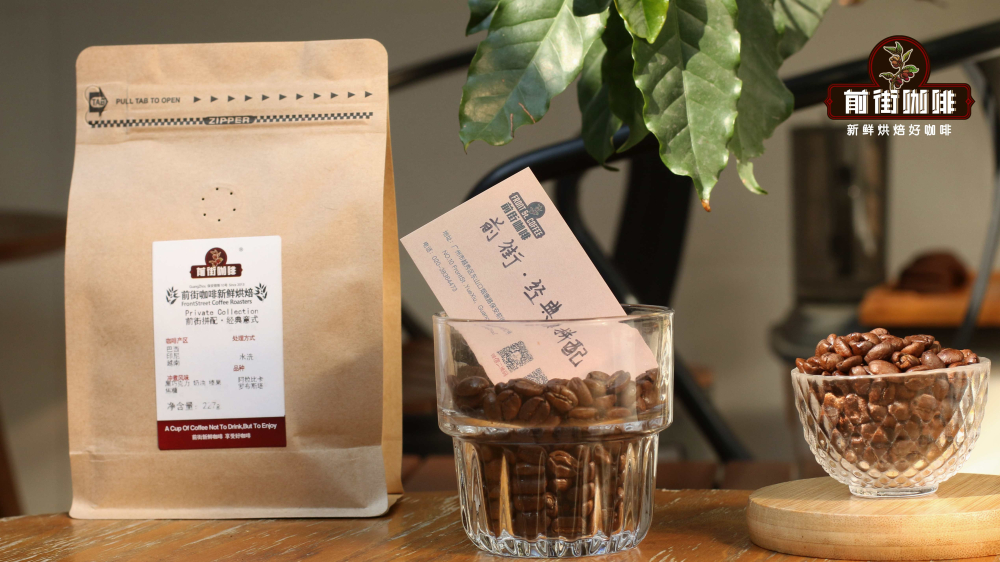
In contrast, espresso blends combine beans from different origins to achieve a more balanced taste and maintain stable flavor performance over time, which is why they’re often seen as the ideal choice for daily consumption. If you want a consistently high-quality coffee experience at home, blends are usually more practical—especially freshly roasted blends that ensure optimal flavor.
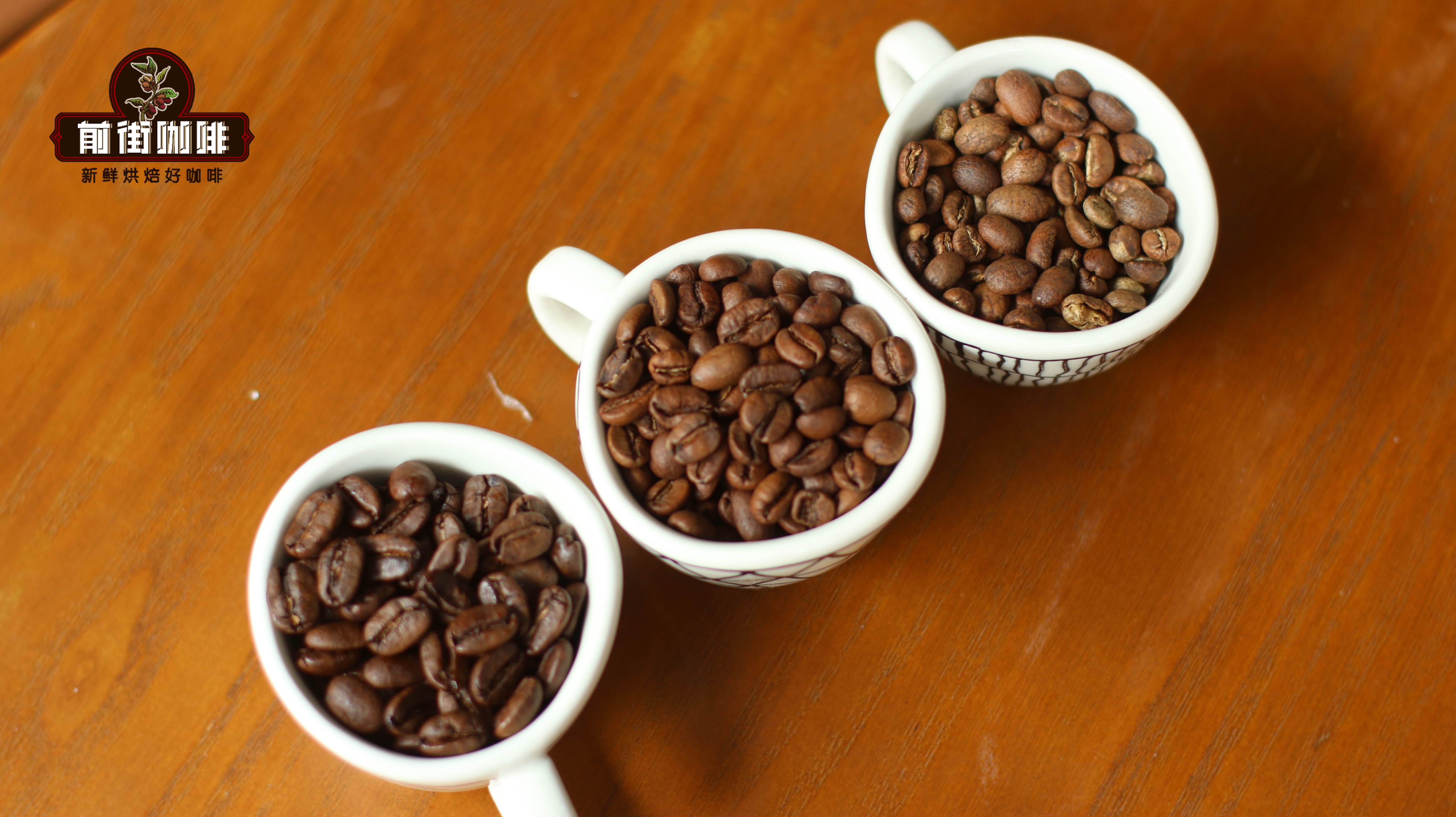
However, if you’re more interested in the diversity and uniqueness of coffee flavors, understanding the characteristics of SOEs and the suitable roast methods becomes particularly important. Generally speaking, the roast level of SOE beans directly affects their extraction performance. Common roast levels can be divided into light, medium, and dark, and when extracting SOEs,it’s recommended to choose a medium or darker roastto ensure sufficient oils and aroma are released, avoiding overly sour or under-extracted results.
While light-roast SOEs can preserve the bean’s original acidity and floral notes, the high-pressure, short extraction process often results in insufficient aroma due to the beans being harder and the flavors not fully developed, leading to a flat-tasting cup or overly prominent acidity. Therefore, if you want to brew an SOE with rich flavor layers and noticeable aroma, medium to dark roasts are the more reliable choice.
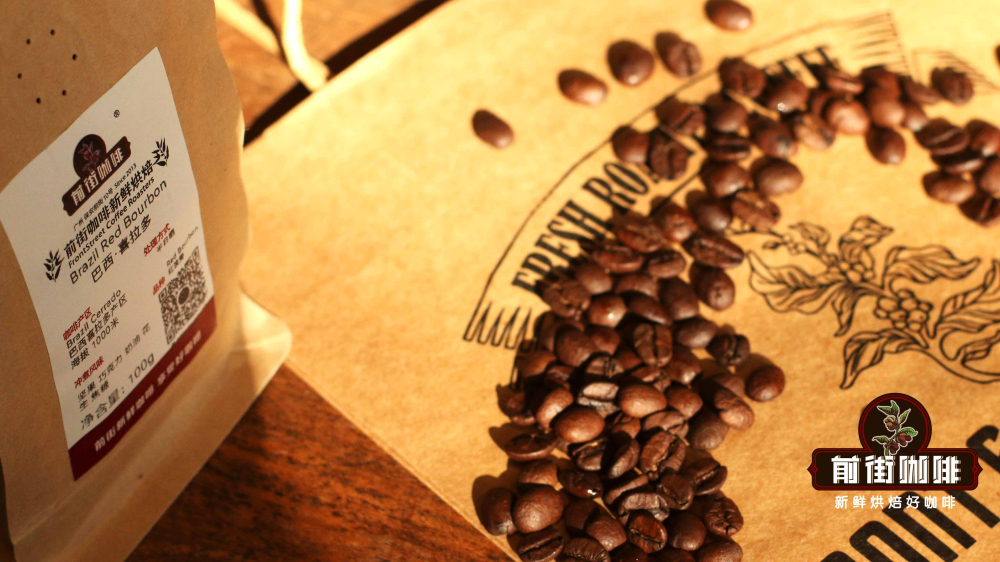
Taking medium roast as an example, this level retains some acidity while highlighting nutty and caramel undertones, making it suitable for those who enjoy fruity notes and a softer mouthfeel. If you prefer a richer, low-acidity coffee, consider medium-dark or dark-roast SOEs—these beans undergo more caramelization during roasting, resulting in deeper chocolate, caramel, or even spicy undertones.
Next, we’ll introduce five SOE coffees with distinctive flavor profiles, each catering to different taste preferences. These recommendations will not only help you understand the diverse flavors of SOEs but also serve as a reference when making your selection.
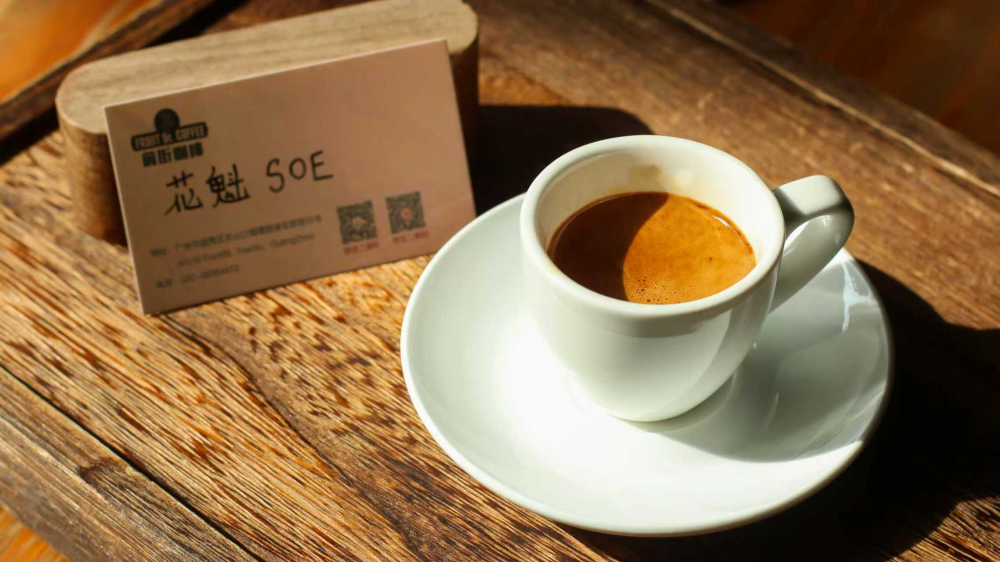
First up isa well-known coffee brand’s Hua Kui SOE, medium-roasted with a natural (sun-dried) process, offering intense creamy strawberry aromas. Once brewed, it presents red berry notes, delicate floral tones, and bright citrus highlights—perfect for making Hua Kui SOE Americanos or flat whites, delivering a refreshing taste with rich aromatic layers.
The second isa well-known coffee brand’s Costa Rica Mozart SOE, using a raisin honey process. With a medium roast, it boasts rich raisin and cranberry wafer flavors, soft and full acidity, and a pleasant floral aftertaste—ideal for those who enjoy dried fruit sweetness.
The third isa well-known coffee brand’s Costa Rica Blackberry SOE, featuring a unique black honey process. When brewed as an SOE, it reveals intense sweet fruit preserves notes. Brewed as an Americano, it offers a refreshing, grape juice-like acidity with hints of red florals and berry tones—a uniquely memorable flavor.
If you prefer a richer coffee with chocolatey notes, considera well-known coffee brand’s Brazilian Queen Estate SOE, a Yellow Bourbon variety medium-dark roasted to bring out roasted nuts, milk chocolate, butter, and caramel flavors. It has a smooth mouthfeel and is well-suited for brewing with a moka pot or espresso machine—perfect for those who enjoy balanced, full-bodied profiles.
Finally, we recommenda well-known coffee brand’s PWN Golden Mandheling SOE, a classic Indonesian bean variety meticulously hand- and machine-sorted with an extremely low defect rate. Medium-dark roasted, it delivers complex aromas of spice, herbs, sandalwood, and caramel, with a rich, bold taste and a deep dark chocolate aftertaste—making it an excellent choice for dark roast enthusiasts.
In summary, choosing between an SOE or a blend depends on your preference for flavor diversity versus consistency. Regardless of your choice, understanding how roast levels impact extraction will help you better enjoy the unique charm of every cup.
The above content is compiled by CoffeeHunters, a coffee news website.


