







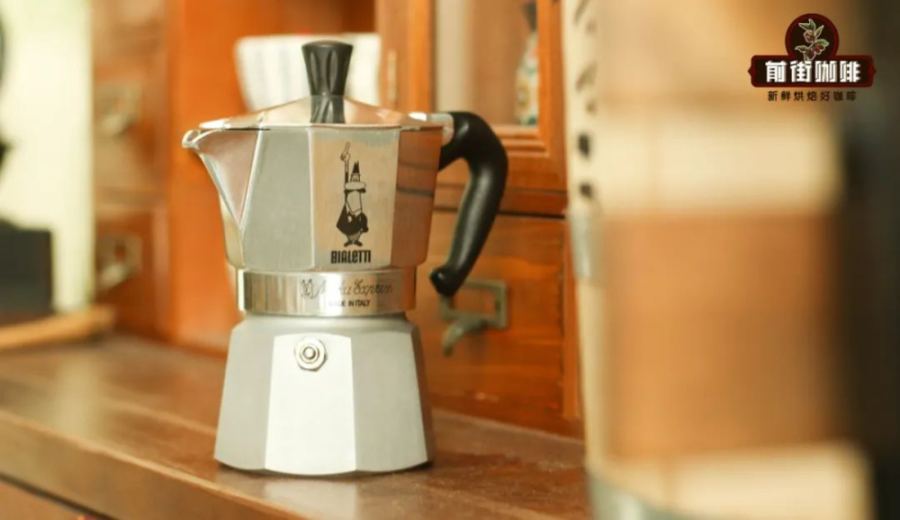
Introduction:Many coffee enthusiasts, due to budget constraints, opt for single-valve moka pots, but often struggle to extract rich crema due to insufficient pressure. In fact, by carefully selecting coffee beans, mastering the right grind size and coffee-to-water ratio, you can enhance the richness and persistence of the crema even without switching to an espresso machine. This article delves into the science behind crema formation and provides practical tips on bean selection, grinding, and dosing to help you brew a more espresso-like, richly flavored cup with a single-valve moka pot.
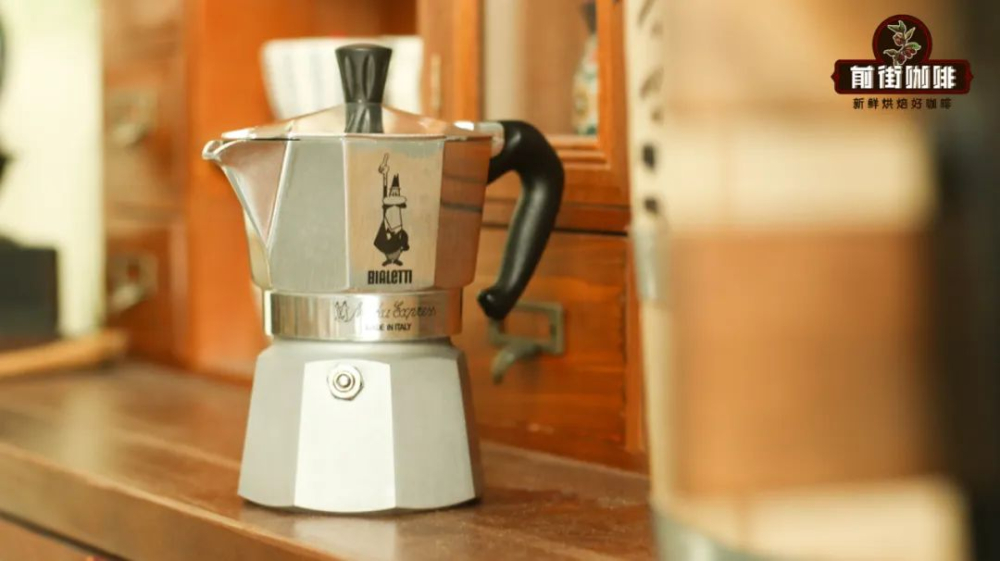
Many coffee lovers initially aspire to the bold, rich taste of espresso but turn to the more affordable and user-friendly moka pot due to the high cost of semi-automatic espresso machines, which often exceed tens of thousands of yuan. However, many users of single-valve moka pots often encounter a common issue: the extracted coffee has a thin layer of crema that dissipates quickly, failing to deliver the desired taste or latte art effect.
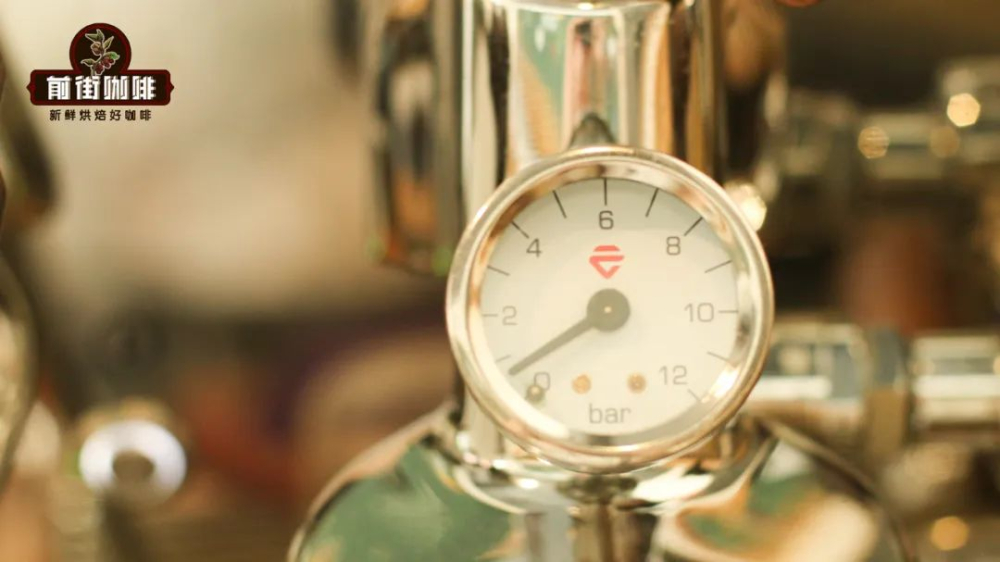
In fact, this is mainly related to the operating pressure of the moka pot. Espresso machines can generate pressures of 9 bar or higher, causing dissolved carbon dioxide and insoluble particles in hot water to combine and form that captivating crema. However, a single-valve moka pot typically produces only 1–2 bar of pressure, and never more than 3 bar, resulting in a thinner layer of crema that also tends to vanish quickly.
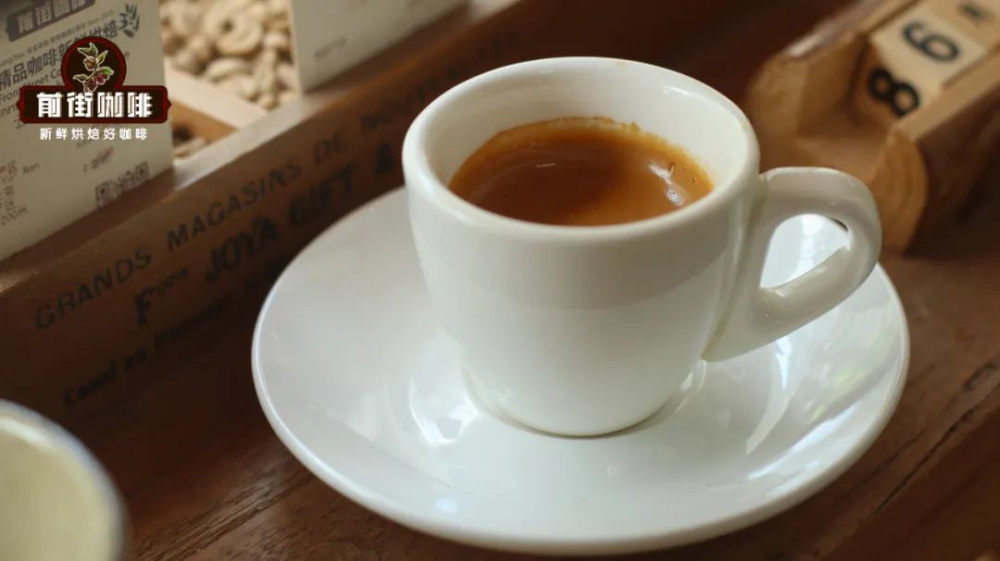
But don’t worry — with some attention to coffee bean selection, grind size control, and coffee-to-water ratio adjustments, you can significantly improve the performance of the crema even with a single-valve moka pot. This will make your coffee smoother, more aromatic, and even suitable for making milk-based coffee with latte art.
First, one of the biggest factors affecting crema performance is the type of coffee beans you use. It’s recommended to prioritize dark roasted beans because the roasting process makes the bean structure more porous, allowing hot water to penetrate more easily and release trapped carbon dioxide, thereby enhancing crema formation. Additionally, the freshness of the beans is crucial — it’s best to choose beans roasted within 5–14 days. At this stage, the internal carbon dioxide content is still high, which helps improve the richness of the crema during extraction.
For example, certain dark roast beans, beloved by many users, feature low acidity, intense aroma, and a full-bodied taste, making them highly suitable for moka pot brewing. These beans not only yield rich crema but also offer deeper flavor profiles such as caramel, chocolate, or nutty notes.
Grind size is another key factor influencing both the extraction pressure of the moka pot and the resulting crema. The ideal grind size for a moka pot lies between that of pour over and espresso — finer than pour over but slightly coarser than the very fine grind used in professional espresso machines. If the grind is too coarse, the water will face insufficient resistance, leading to under-extraction and poor crema formation. Conversely, if it’s too fine, it may clog the filter, not only reducing crema output but also potentially creating dangerous levels of internal pressure.
In practice, it’s recommended that users adjust their grinder settings to a level slightly finer than their usual pour over grind, but not as fine as an espresso grind. Beginners can observe the flow rate during extraction: ideally, the coffee should flow out slowly over 30–45 seconds, indicating a good balance between pressure and grind size.
The way you dose and tamp the coffee also directly affects crema production. For a standard three-cup moka pot, it’s recommended to use about 19 grams of coffee powder and 110 milliliters of hot water. When dosing, spread the coffee grounds evenly in the filter basket and gently tap or knock the basket to compact the coffee bed, reducing channeling. If using a coarser grind, you can lightly press the coffee with your fingers to increase puck density and resistance, which helps improve pressure and crema. However, if the grind is already fine, avoid additional tamping to prevent excessive resistance to water flow.
After dosing, add 110 milliliters of hot water (ideally around 90–96°C) to the lower chamber, then assemble the filter basket and upper chamber in sequence. Once heating begins, when you see a thin layer of glossy oil forming on the silver area of the lower chamber, it’s usually time to remove the moka pot from the heat. Turn off the heat and let the residual heat finish the extraction, resulting in a cup of coffee with rich crema and a smooth, rounded taste.
In summary, although a single-valve moka pot is inherently limited by lower pressure, you can still achieve a satisfying level of crema by adjusting your coffee bean selection, grind size, and coffee-to-water ratio. Start with dark roasted, freshly brewed beans, pair them with a medium-fine grind, and aim for a coffee-to-water ratio of around 1:5.8, then fine-tune to find your optimal brewing parameters for your preferred taste.
The above content is compiled by CoffeeHunters, a coffee news website.


