







Introduction:Blended coffee beans and single-origin coffee beans are two mainstream choices. The former is commonly used for espresso, aiming for rich crema and balanced flavor; the latter emphasizes the unique characteristics of a single origin, often highlighting delicate layers through pour over brewing. This article provides an in-depth comparison of the characteristics, roasting approaches, and usage scenarios of these two types of beans, and offers professional answers to common questions such as "Can single-origin beans be used for espresso extraction?" It also introduces several popular single-origin and SOE (Single Origin Espresso) options to help you make the right decision based on your brewing method and flavor preferences.
In the world of coffee, blended coffee beans and single-origin coffee beans are the two most common and distinctly different types of coffee ingredients. Blended beans are generally made by combining two or more coffee beans from different regions in specific proportions, primarily used for making espresso with espresso machines. Through medium to dark roasting, they bring out a rich body and stable crema, making them suitable for drinkers who prefer intense flavors and balanced profiles. Single-origin coffee beans, on the other hand, emphasize their origin, typically brewed using pour over methods to preserve the unique terroir characteristics of the region, such as bright acidity, floral notes, or distinctive sweetness.
Many people wonder if blended beans can be used for pour over. The answer is yes, but since blends are usually designed for high-pressure, short-duration extraction, pour over may not fully showcase their intended profile. Therefore, using medium to light roasted blended beans for pour over can sometimes reveal unexpected layers of flavor. Can single-origin beans be used for espresso? The answer is also yes—provided you choose single-origin beans with medium to dark roasting that have distinct regional characteristics. With proper grinding and extraction, these beans can still highlight the unique flavors of their origin. Such single-origin beans are also referred to as SOE (Single Origin Espresso).
The history of blended coffee originally revolved around cost control and maintaining flavor stability, by mixing beans from different regions and processing methods to compensate for each other’s shortcomings. With the rise of specialty coffee trends, today’s blends are no longer solely cost-driven. Roasters carefully select high-quality beans based on desired flavor profiles—for example, to enhance aroma, boost sweetness, or increase body—crafting a more enjoyable and layered overall experience. Blends are especially suitable for pairing with milk, as they can still retain a clear coffee backbone even when diluted.
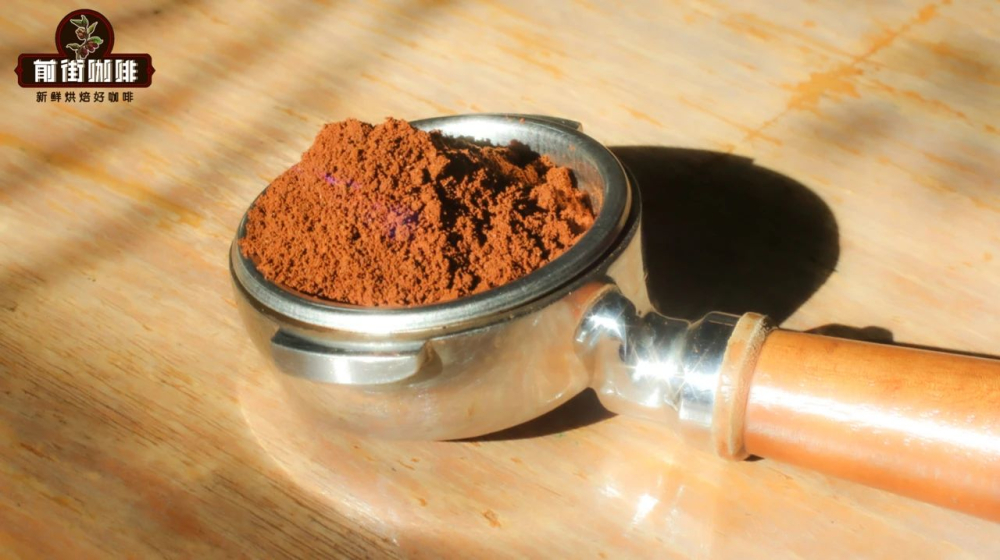
As for espresso, its defining features are the intense flavor and crema (coffee oils) produced through high-pressure, rapid extraction. This makes medium to dark roasted blended beans the preferred choice, as such roasts bring out caramel, nutty, and chocolatey baking aromas while promoting crema formation, enhancing the drink’s overall richness and balance. Due to the short extraction time and high pressure, bean selection must balance flavor stability and extraction efficiency, avoiding overly bright or sharply acidic beans that could disrupt the overall profile.
In contrast, single-origin coffee emphasizes "origin flavors," where factors such as cultivation altitude, microclimate, and processing methods directly influence the final flavor profile. Common pour over single-origins include Ethiopia’s Yirgacheffe, known for its bright citrus acidity and berry tones; or Sidamo’s Huila, showcasing intense berry and fermentation aromas; Kenya’s small tomato beans are celebrated for their juicy acidity and sweet-tart profile with dark plum notes. Pour over methods can delicately extract these unique traits, making it the best way to experience the character of each origin.
It’s worth noting that although single-origin beans are mostly used for pour over, if you choose high-quality single-origins with medium to slightly dark roasting, they can also be used for espresso. For example, certain Ethiopian sun-dried single-origins, when made into SOE, can exhibit clear fruit notes like red berries and oranges, with prominent sweetness and a clean aftertaste; Costa Rica’s raisin honey-processed beans present rich raisin and osmanthus sweetness in espresso, making them suitable for milk-based drinks like lattes. These single-origin espressos not only satisfy consumers seeking detailed flavor profiles but also allow milk coffee lovers to enjoy the unique personality of a single origin.
For readers interested in trying pour over, here is some reference information on several popular single-origin beans: First is the coffee from the Gedeb Guji region’s Gotiti Cooperative in Ethiopia, grown at 2000-2100 meters altitude, washed processed, of the Ethiopian heirloom variety, with flavor notes of bright citrus acidity, berry sweetness, and a honey-like finish, and a green tea-like coolness in the aftertaste.Processing method: Washed, Altitude: 2000-2100m.
Next is the Huila coffee beans produced by the Buku Able washing station in Sidamo, Ethiopia, grown at altitudes of 2250-2350 meters, sun-dried processed, also of the Ethiopian heirloom variety, presenting complex berry juice flavors, fruity fermentation aromas, and rich jackfruit sweetness.
From Kenya’s Thika region, the Assalia washing station’s small tomato coffee beans are grown at 1550-1750 meters, using a 72-hour washed process, of the SL28 and SL34 varieties, with flavor notes of small tomato aroma, plum and dark plum acidity, and yellow sugar-like sweetness.
Costa Rica’s Tarrazú region, the Mirasu Estate’s strawberry candy coffee beans are grown at 1700 meters altitude, raisin honey processed, with varieties including Geisha, SL28, ET47, and Maico. The flavor profile centers on strawberry hard candy, raisin fermentation, and rose aromas, with balanced sweet and sour notes and rich layers.
China’s Yunnan Baoshan region’s small-grain Typica coffee beans, grown at 1450-1550 meters, fully red fruit sun-dried processed, of the Catimor variety, with flavor notes of red berry tartness and sweetness, dark chocolate richness, roasted nut aromas, and caramel sweetness, suitable for drinkers who prefer balanced profiles.
If you prefer single-origin beans for espresso extraction, the following SOEs are worth considering: An SOE from a certain brand featuring Ethiopia’s Yirgacheffe sun-dried red cherry, which shows clear floral and fruity notes with bright acidity in pour over, and delivers orange and berry flavors in espresso, with outstanding sweet aftertaste, suitable for making Americano.
Costa Rica’s Mozart SOE, using raisin honey processing, presents rose and dried fruit aromas in pour over, with soft sweet and sour balance and a clean profile; the espresso version offers intense raisin flavors and osmanthus sweetness, with medium body, suitable for lattes and Americanos.
An SOE from a certain brand, PWN Golden Mandheling, undergoes multiple hand selections to reduce defect rates. After medium to dark roasting, it exhibits complex layers of spice, herbs, sandalwood, and caramel, with a rich body and a black chocolate aroma in the aftertaste, perfect for milk coffee lovers who enjoy intense flavors.
The above content is compiled by CoffeeHunters, a coffee news website.


