







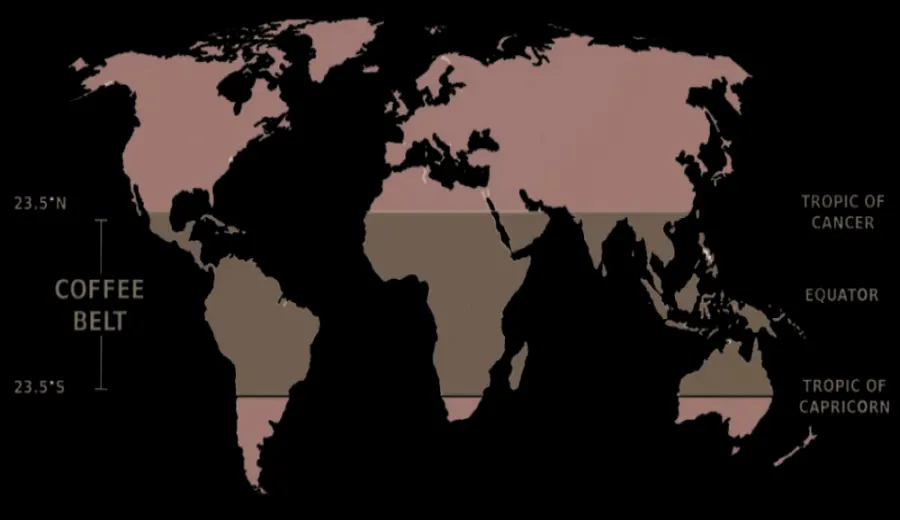
Introduction:The flavor profile of coffee is inseparable from its growing environment. The world’s major coffee-producing regions can be divided into Latin America, Africa, and Asia/Pacific. These three regions, due to differences in climate, altitude, and processing methods, produce coffee beans with distinct characteristics. This article delves into the typical flavor profiles of coffee from each region—including sweetness-acidity balance, body, and aroma features—and pairs them with practical tasting suggestions to help coffee enthusiasts find their ideal regional beans based on personal preference.
The unique character of a cup of coffee often stems from its place of origin. Global coffee production is primarily concentrated in three geographic zones: Latin America, Africa, and Asia & the Pacific. Each region, due to variations in terrain, climate conditions, and cultivation traditions, produces coffee beans with distinctly different flavor profiles. Understanding these regional traits can help you make more informed choices when selecting coffee, while also enhancing the enjoyment of brewing and tasting.
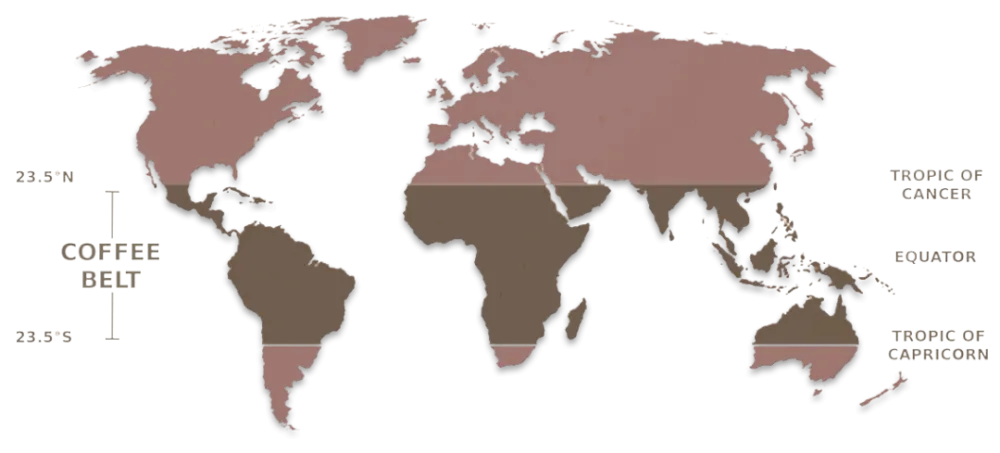
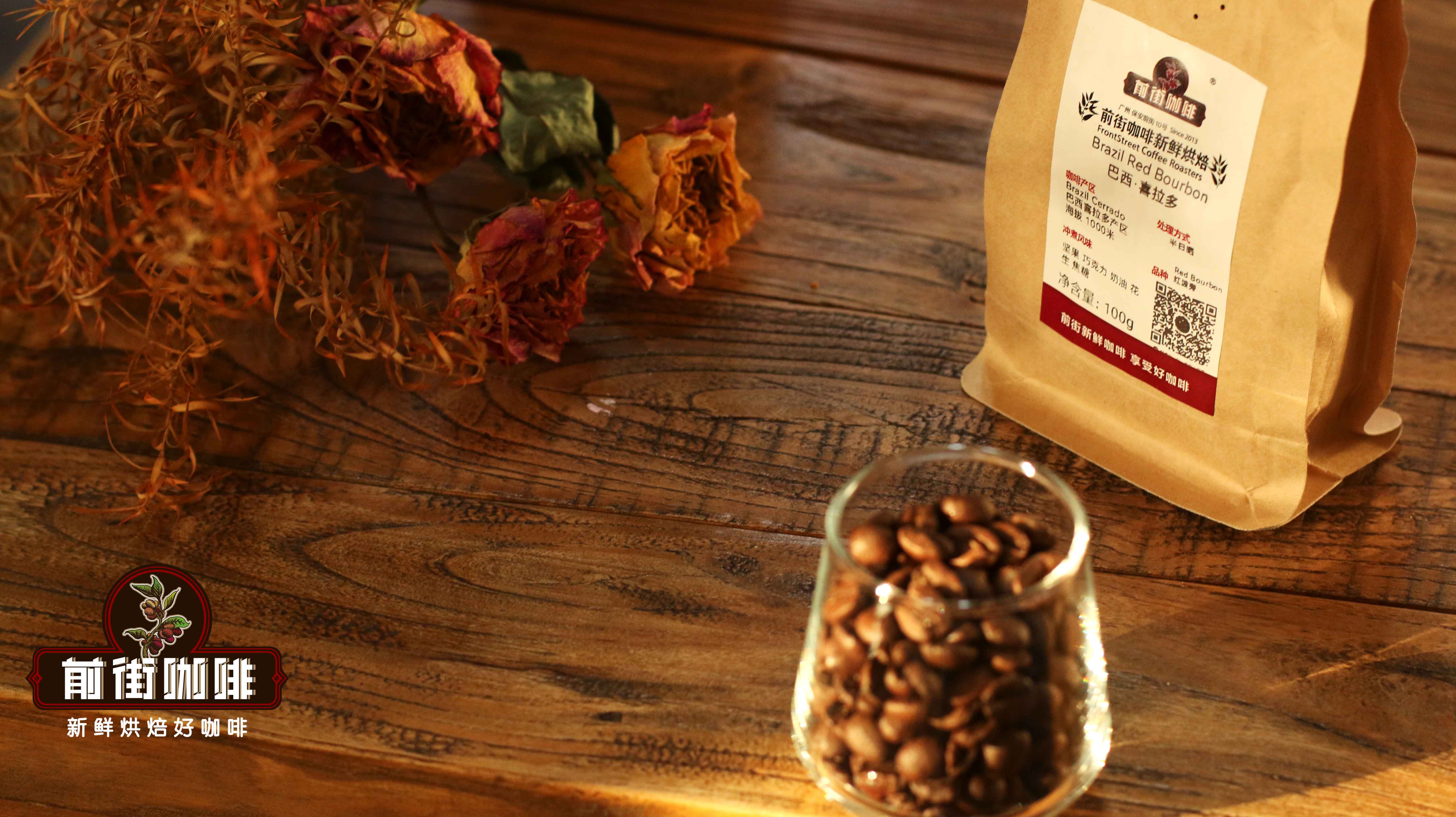
Let’s start with the Latin American region, where coffee is known for its mild and balanced profile. Common notes include cocoa, nuts, and caramel, along with moderate acidity and a smooth body, making it a popular base for many blended coffees. Coffees from this region typically suit drinkers who prefer stable flavors without intense stimulation. Within the region, Brazil and Colombia are globally renowned for producing high-quality coffee.
Among Latin American coffees, Brazilian beans are famed for their round and full-bodied mouthfeel, often accompanied by mild to medium acidity and a pronounced sweet aftertaste. Their smooth and easy-drinking quality makes them an ideal base for espresso blends and also suitable for enjoying black. As for Colombian coffee, its beans are known for their layered complexity, rich aroma, and well-balanced sweetness and acidity. Depending on roast levels, they can exhibit diverse profiles ranging from fruity to nutty notes, with low bitterness and a long finish.
Turning to the African region, this is the birthplace of the coffee plant and home to many beans with vivid flavors and vibrant acidity. African coffees are characterized by bright acidity, citrus, and floral aromas, delivering an overall refreshing and crisp taste. They are well-suited for coffee lovers who enjoy layered, fruit-forward profiles. Coffees from this region often have a strong “expression of origin,” clearly reflecting the terroir of their growing areas.
Ethiopian coffee is one of the representatives of African flavor. Its Hambela variety often exudes enchanting floral and fruity acidity notes, with almost no noticeable bitterness upon tasting—offering a clean, refreshing profile that’s perfect for drinking black or brewing via pour over. Kenyan coffee, on the other hand, stands out with its unique fruity acidity and rich body. Its famous SL28/S28 varieties (e.g., small tomato-like profiles) feature complex fruit notes such as black plum, Asian pear, and cherry tomato, with bright and lively acidity, catering to those who enjoy a juice-like mouthfeel. Rwanda’s Red Bourbon variety showcases elegant citrus and berry tones, with honey-like sweetness in the mid-palate and an aftertaste of almond and chocolate, delivering an overall balanced and delicate cup.
Finally, the Asia & Pacific region produces coffee beans that often feature higher body and unique herbal or spicy notes, with relatively mild acidity and a deeper flavor profile. Due to the growing environment and post-harvest processing methods, these coffees frequently carry natural earthy, pine, or forest-like aromas, appealing greatly to drinkers who prefer bold and intense flavors.
Indonesia’s Mandheling coffee is one representative of the region. When dark roasted, it releases rich flavors of caramel, pine, and dark chocolate, with a bold body and lingering aftertaste, making it a top choice for many serious coffee enthusiasts. As for the smallholder-produced coffee from China’s Yunnan region, it is characterized mainly by nutty, chocolatey, and brown sugar aromas, offering a balanced taste with almost no bitterness, plus a hint of tea-like finesse—suitable for those who enjoy smooth, mellow, and aromatic profiles.
The above content is compiled by CoffeeHunters, a coffee news website.


