







Introduction:Although both Jamaican Blue Mountain coffee and everyday Americano are types of black coffee, they differ greatly in origin, processing methods, flavor characteristics, and brewing techniques. This article delves into the regional background, grading system, and recommended pour over parameters for Blue Mountain coffee, while also comparing the historical origins of Americano, the extraction logic of espresso, and common ratio settings. It takes you from the ground up to understand the core differences between the two. Whether you're a beginner or an advanced coffee enthusiast, you'll gain practical knowledge and brewing inspiration.
Many coffee lovers have tried numerous brews, yet still only have a vague understanding of the fundamental differences between Blue Mountain coffee and Americano. Blue Mountain coffee is a premium single-origin coffee from the Blue Mountains of Jamaica, with strict grading based on cultivation altitude, bean size, and defect rate. In contrast, Americano is made by diluting high-pressure extracted espresso with hot water or milk in specific proportions. Understanding the differences between these two types of coffee not only enhances your tasting experience but also helps you choose the type that best suits your personal taste.
The Origin and Grading System of Blue Mountain Coffee
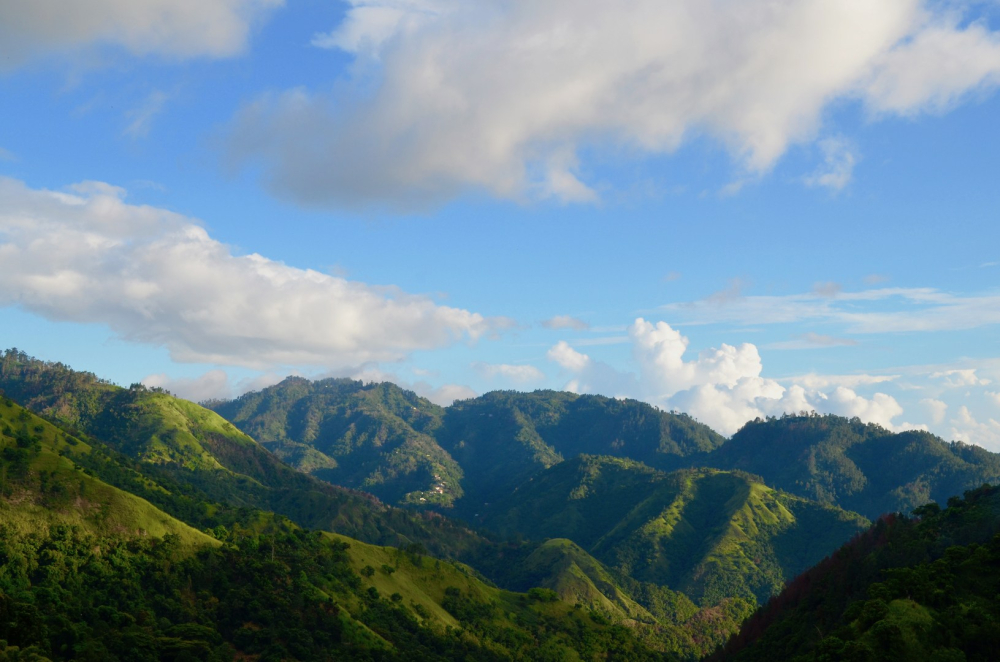
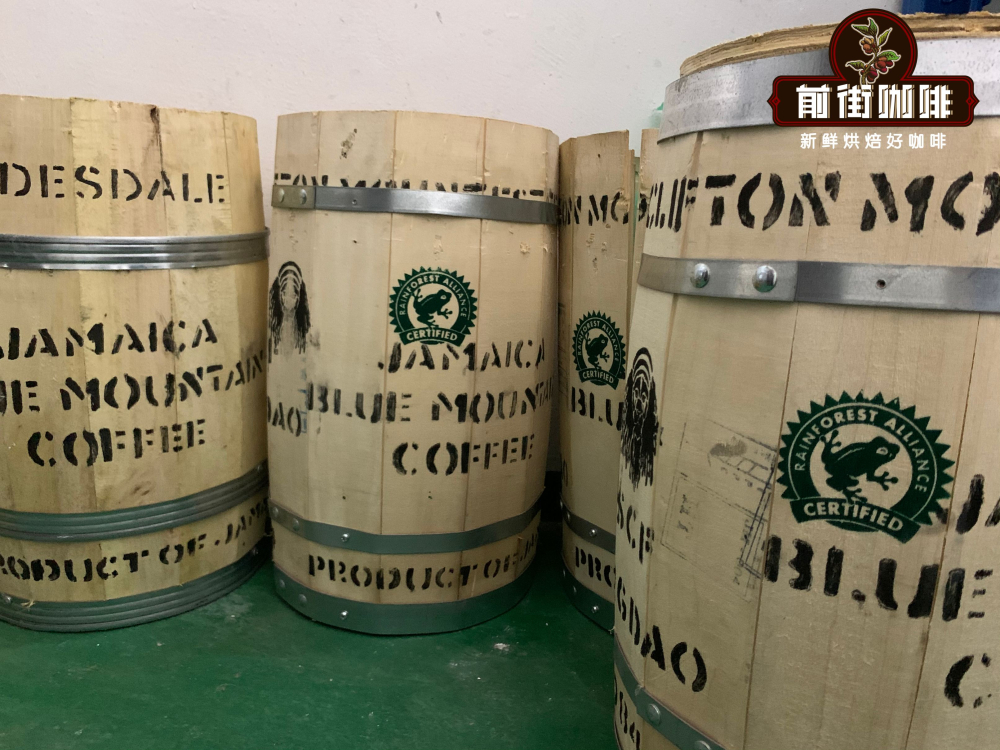
The name "Blue Mountain coffee" comes from its growing region — the Blue Mountains of Jamaica. Surrounded by the Caribbean Sea, when the sun shines on the sea on clear days, the blue light spills over the mountain ranges, hence the name "Blue Mountain." However, not all coffee grown in the Blue Mountain region can be called Blue Mountain coffee. Based on altitude, it is categorized into Jamaican Blue Mountain coffee, High Mountain coffee, and Prime coffee; then further divided into four grades according to bean size and quality: No. 1, No. 2, No. 3, and PB (peaberry).
Among them,Blue Mountain No. 1 coffee beans must be grown at an altitude between 1000 and 1700 meters, with a bean size of 17/18 mesh, and a defect rate below 2%, making it the highest quality within the Blue Mountain classification. This type of coffee typically boasts rich nutty aromas and a full-bodied mouthfeel, and it comes with a relatively high price tag, making it a dream coffee for many enthusiasts.
Brewing Recommendations and Flavor Profile of Blue Mountain No. 1
Due to its rich and balanced flavor profile, Blue Mountain coffee is commonly brewed using the pour over method. To fully showcase its full body and delicate flavors, it is recommended to use a KONO filter cone, with a water temperature of 88°C and a coffee-to-water ratio of 1:15. Specifically, use 15 grams of coffee grounds, start with a 30-second bloom using 30 grams of hot water, then slowly pour in a circular motion from the center outward until reaching 125 grams, and finally pour up to 225 grams, with a total extraction time of about 2 minutes.
The upper part of the KONO filter cone is smooth, while the lower part features short ribs. Once the filter paper is wet, it adheres tightly to the walls, stabilizing the flow rate of the brew and helping the coffee grounds interact fully with the water to release more flavor compounds. Additionally, since Blue Mountain coffee is often dark roasted, a medium grind is recommended — roughly equivalent to 75% passing through a Chinese standard No. 20 sieve — to avoid over-extraction and bitterness caused by too fine a grind.
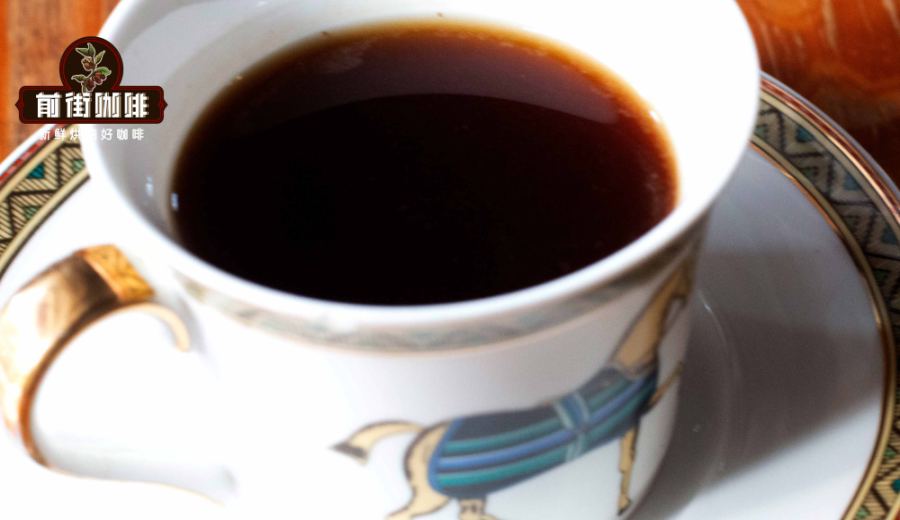
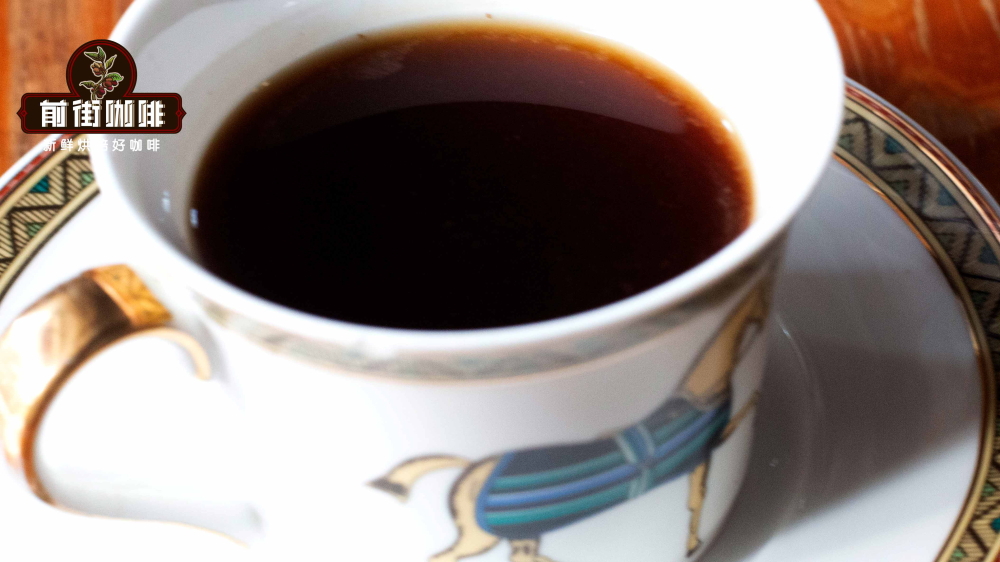
The finished Blue Mountain No. 1 often exhibits pronounced notes of nuts and dark chocolate, with balanced acidity, sweetness, and bitterness, a smooth mouthfeel, and a full body, making it a classic among single-origin coffees.
The Origins and Espresso Base of Americano
Although called "Americano," it did not originate in America. It was created during World War II when American soldiers stationed in Europe diluted espresso with large amounts of hot water to suit their palates. The name "Americano" carries a hint of irony, yet it unexpectedly became a globally popular coffee drink.
The base of Americano is espresso, which is typically made from blended beans. Using around 9 bar of pressure and near-boiling water, it is quickly extracted into a concentrated coffee liquid. The purpose of blending is to balance acidity, sweetness, bitterness, and aroma, ensuring consistent flavor in every cup.
Common Americano Ratios and Brewing Details
When making hot Americano, a coffee-to-hot water ratio of 1:4.5 is generally recommended. This highlights notes of vanilla, cream, and chocolate, delivering a rich yet layered mouthfeel. For iced Americano, the dilution effect of melting ice must be considered. A common ratio is coffee liquid : ice : water = 1:2.5:3, ensuring that the beverage retains appropriate strength and flavor after the ice melts.
Core Differences Between Blue Mountain Coffee and Americano
Blue Mountain coffee is a single-origin coffee, emphasizing the terroir and characteristics of the coffee variety. It is usually brewed using the pour over method to highlight its nuanced and diverse flavor profile. Americano, on the other hand, is a variation of espresso-based coffee, using high-pressure extracted espresso as its base, and adjusting the proportion of water or milk to create a daily drink suited to the general public’s palate.
In terms of extraction techniques, pour over coffee typically uses a coarser grind and low-pressure brewing, emphasizing control over water temperature, time, and pouring technique. Espresso, however, relies on high pressure and fine grinding to achieve concentrated aroma and a full-bodied mouthfeel. Both methods have their unique strengths and cater to different scenarios and taste preferences.
Whether you prefer the delicate richness of Blue Mountain coffee or the convenience and versatility of Americano, understanding their origin backgrounds, grading systems, and brewing parameters will allow you to appreciate and discern them with greater insight and enjoyment.
The above content is compiled by CoffeeHunters, a coffee news website.


