







Introduction:Dark roast coffee beans are beloved by many coffee enthusiasts for their rich caramel aroma, bold flavor, and long-lasting aftertaste. However, due to their loose bean structure that is prone to over-extraction, brewing a balanced and layered cup is not easy. This article will delve into the key elements of pour-over brewing for dark roast beans, including the optimal water temperature range, suitable grind size, filter choice, coffee-to-water ratio, and practical pouring techniques. It will help you master the essentials of brewing dark roast with ease, consistently producing coffee with full flavor and pronounced aftertaste.
Dark roast coffee beans have always been a favorite among many coffee lovers. Their distinctive caramel and chocolate notes, smooth and velvety mouthfeel, coupled with a sweet and lingering finish, form the unique charm of dark roast flavors. However, to perfectly showcase these characteristics through pour-over brewing, more precise techniques and parameter control are required. Compared to light roast beans, dark roast beans have a looser structure, and if not handled properly, they can easily become over-extracted, resulting in a bitter and unbalanced cup.
Even with the rise of the light roast trend in recent years, many drinkers still prefer the rich and full-bodied mouthfeel of dark roast beans. Whether it’s beans with creamy peanut-like profiles, dark roast options exuding the aroma of toasted bread, or varieties that balance acidity, sweetness, and bitterness, these are all staples for many coffee aficionados. The appeal of these coffees lies in their bold and robust character and deep, lingering aftertaste.
To successfully brew a satisfying cup of dark roast coffee, the key lies in fully extracting its signature flavor characteristics: including the captivating caramel and chocolate aromas, silky and rich mouthfeel, the intense depth unique to dark roast, and the sweet, lingering aftertaste. These elements are what fundamentally distinguish dark roast coffee from other roast levels.
When setting extraction parameters, because dark roast beans undergo longer roasting times, their internal structure becomes noticeably looser. If the high water temperature and fine grind used for light roast beans are applied directly, it can easily lead to over-extraction, resulting in pronounced bitterness and off-flavors. Therefore,the water temperature is recommended to be controlled between 86–88°C, and can be fine-tuned based on the actual grind coarseness used. Generally speaking, the finer the grind, the more the water temperature should be appropriately lowered to avoid over-extraction.
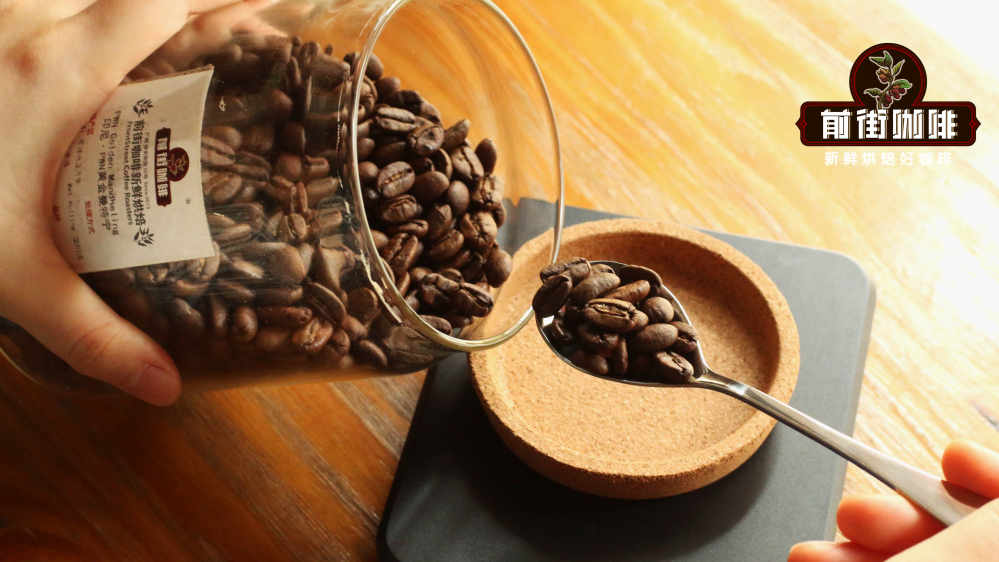
As for grind size, dark roast beans require a coarser setting than light roast beans. This is because dark roast beans are inherently more fragile, and under the same grind settings, the actual particle size is often finer than that of light roast. For example, when using an Ek43 grinder, it is recommended to adjust to setting 11, making the particles resemble coarse sugar, with a sieve retention rate of about 70% through a #20 sieve. This helps control the uniformity of extraction.
The choice of filter also affects the final performance of dark roast coffee. Since dark roast coffee aims for a rich and full-bodied mouthfeel, it is recommended to use filters with slower flow rates, such as the Kono or fan-shaped filters. These types of filters prolong the dripping time of the coffee, allowing for more thorough extraction, which helps bring out the rich texture and body of dark roast beans. In contrast, filters like the V60, which have relatively fast flow rates, may result in insufficient overall extraction, leading to a loss of body.
Regarding the coffee-to-water ratio, adjustments can be made according to personal taste preferences. A common and recommended ratio is 1:15, where the coffee concentration is moderate, the flavor is balanced, and easy to enjoy. If you wish for a more expansive flavor expression, you can try a 1:16 ratio to moderately dilute the concentration; if you prefer a richer mouthfeel, you can reduce it to 1:14, but be careful not to go too low, as this may suppress flavor release and affect the overall drinking experience.
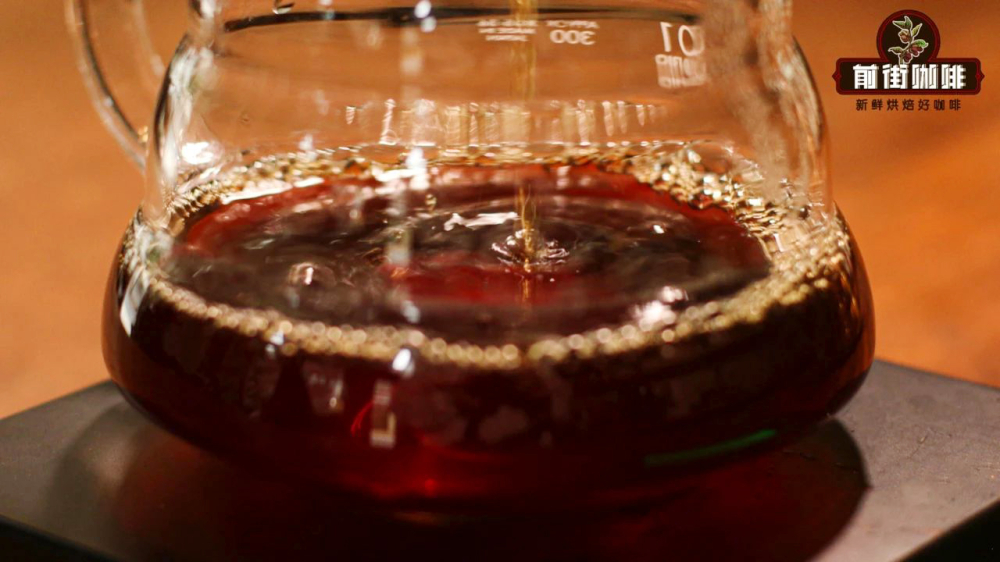
In actual pour-over practice, it is recommended to use the three-pour method. This approach not only helps extend the extraction time, but also allows for more precise control over the extraction of flavors at each stage, while providing a higher margin for error. Taking a 1:15 coffee-to-water ratio as an example, the total water volume can be divided into three pours: the first pour of 30ml for blooming, followed by the second pour of 100ml, and the final pour of 95ml.
Since dark roast beans naturally release substances more easily, excessive stirring to aid extraction is not necessary. When pouring, maintain a steady and slow circular motion to avoid overly vigorous water flow that could agitate the coffee grounds excessively, which may cause off-flavors or over-extraction. The specific steps are as follows: First, use approximately twice the weight of the coffee dose in water (about double the coffee’s weight) for blooming, wetting the entire coffee bed for about 30 seconds (adjust flexibly based on the actual wetting condition of the coffee bed); after blooming, slowly pour the second pour of 100ml hot water in small streams, moving in large circles; when the water level drops near the bottom, switch to an even smaller stream, focusing on the central area (about the size of a coin), and slowly pour the final 95ml in small circles. Once all the coffee has dripped through, you can remove the filter and enjoy.
Generally speaking, if the entire pour-over process can be completed in about 2 minutes, it usually presents the rich body, aroma, and aftertaste that dark roast coffee should have. However, if the extraction time is significantly shorter (e.g., less than 2 minutes and 10 seconds), it may result in insufficient mouthfeel and aftertaste, in which case it is recommended to check the grind size or pouring technique, and make micro-adjustments based on actual flavor feedback. Conversely, if the time is too long, attention should also be paid to whether the grind is too fine or the pouring speed is too slow, to avoid compromising the flavor due to over-extraction.
The above content is compiled by CoffeeHunters, a coffee news website.


