







Introduction:Dive deep into the art of crafting espresso, from single and double shot ratios, extraction time, grind size adjustments, to recommended coffee beans for different flavor profiles. This article thoroughly explains the key parameters of espresso. It also guides you through milk pairing ratios and latte art techniques for milk-based drinks like lattes, making it a practical starter guide for coffee enthusiasts and beginners alike.
Espresso is the cornerstone of modern Italian-style coffee. It is not only the soul of classic drinks like cappuccinos and lattes but also a key benchmark for evaluating a café’s quality. To make an espresso with balanced flavor and a rich body, the key lies in precisely controlling its extraction parameters—especially the coordination of dose, yield, extraction time, and brew ratio.
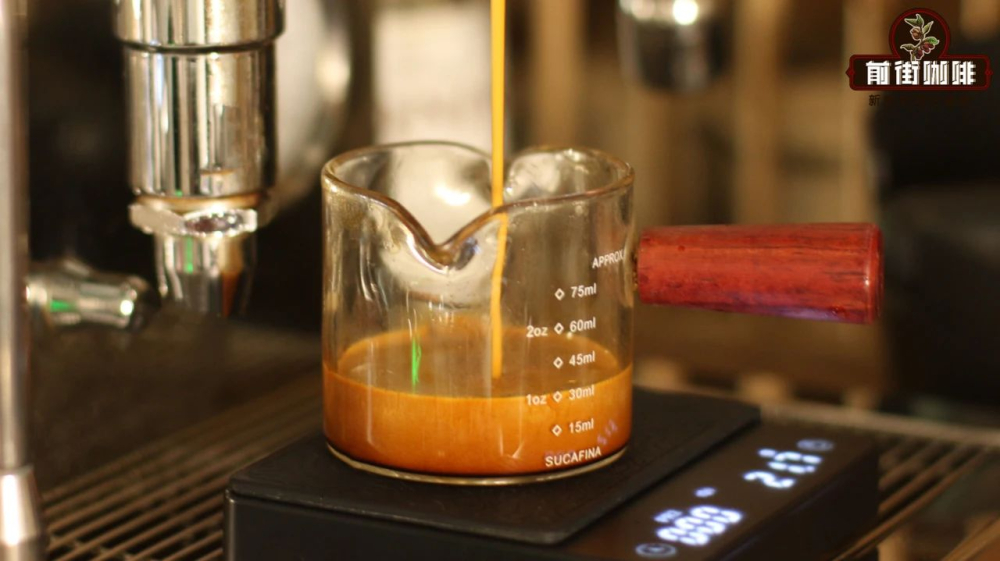
Among the many variables in extraction,the brew ratio for single and double espressosis the most fundamental and important aspect. Generally, a single shot uses about 7 to 9 grams of coffee grounds, extracted over 25 to 30 seconds, yielding approximately 25 to 30 milliliters (i.e., 25 to 30 grams) of espresso, with a brew ratio of roughly 1:2 to 1:3. This ratio extracts a strong and layered flavor, but due to its intensity, it is usually used as the base for milk-based drinks like cappuccinos.
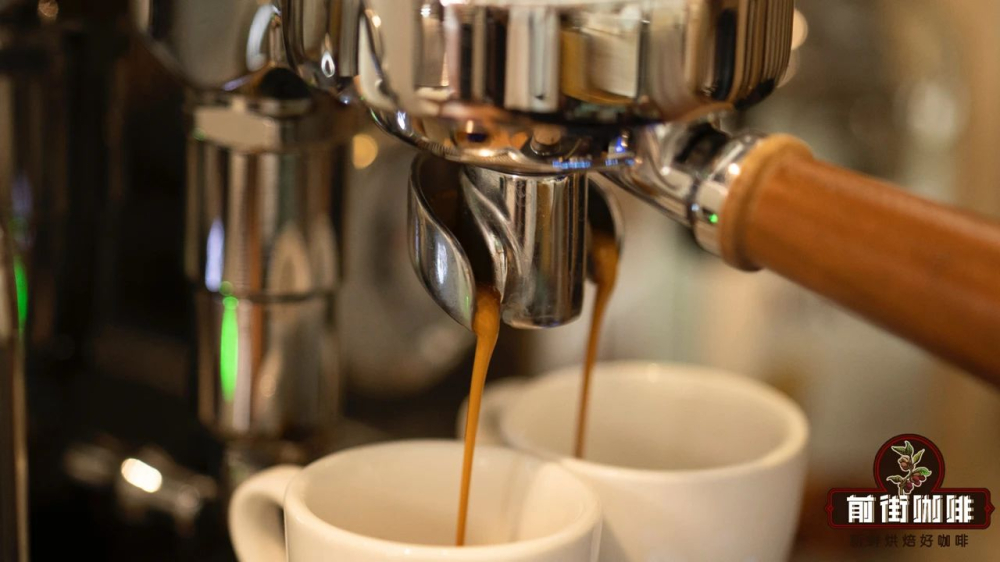
A double shot is an upgraded version of the single, using about 18 to 20 grams of coffee grounds, extracting 50 to 60 milliliters (50 to 60 grams) within the same 25 to 30-second timeframe, with a brew ratio also falling within the ideal range of 1:2 to 1:3. Double shots are suitable for making drinks like lattes and americano, as their concentration and volume pair better with milk or other additives, resulting in more harmonious flavors.
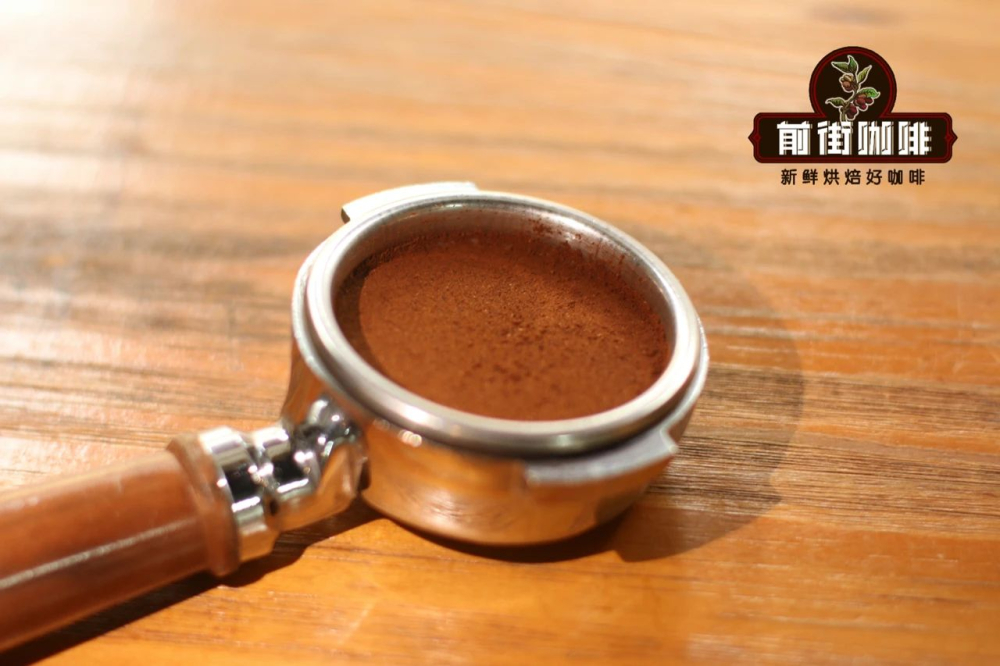
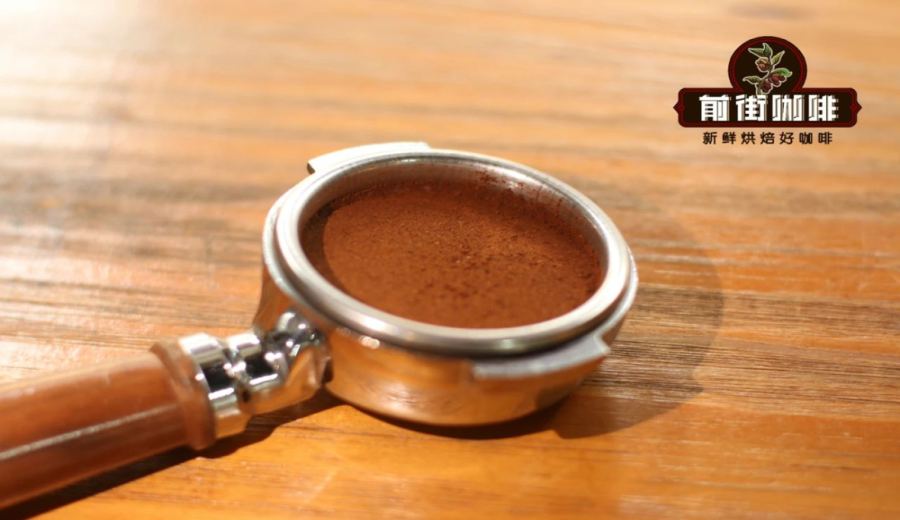
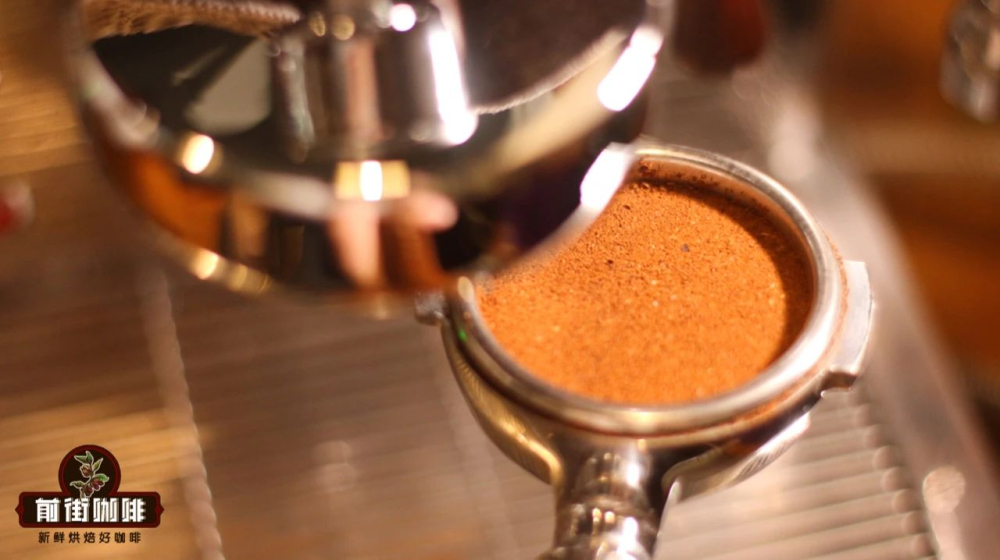
In practice, it is recommended to use an electronic scale to accurately weigh both the coffee grounds and the extracted liquid to ensure consistency in each shot. Additionally,the basket’s fill lineis a detail that should not be overlooked. Most commercial and home espresso baskets have an indented fill line marked inside, which serves as an important reference for determining the amount of coffee grounds. When dosing, you should aim for this line—too much or too little can affect extraction pressure and flow rate, thereby altering the final flavor profile.
As for grind size, espresso typically requires an extremely fine grind, close to the fineness of flour. Most espresso grinders indicate settings on a scale from 1 to 1.5, where the smaller the number, the finer the grind. However, the actual setting still needs to be fine-tuned based on the coffee bean’s roast level, origin characteristics, and extraction time. It is recommended to find the optimal setting through hands-on testing.
Different flavor profiles of coffee beans can deliver vastly different taste experiences in espresso. For beginner coffee enthusiasts, it is recommended to choose ablended coffee with balanced overall flavor, which can showcase the rich foundation expected of espresso without being overly intense. Some blends combine beans from Brazil, Indonesia, or Central and South America, offering notes of caramel, nuts, and subtle spices—perfect for various milk-based drinks.
If you prefer espresso with more layers and fruity acidity, you can try usingmedium-roasted blends or single-origin beans. These beans often feature bright berry, caramel, or floral notes, but under the high-pressure extraction of an espresso machine, special attention must be paid to grind size and extraction time to avoid over-extraction, which can lead to sharp acidity.
It is worth mentioning that light roast beans usually have pronounced acidity and fruity-floral notes, but in the high-pressure and high-temperature environment of espresso extraction, acidity can be amplified, leading to unbalanced flavors. As such, they are less commonly used in traditional espresso preparation, unless for specific experimental styles.
For different flavor preferences, you can refer to the following common types of espresso blends:
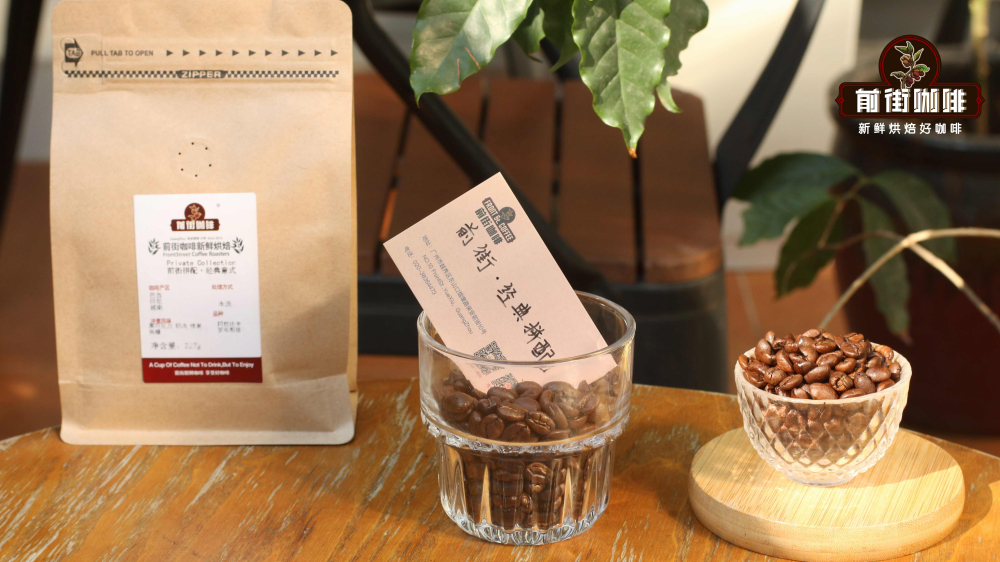
• Classic Italian Blend: Typically made with beans from Brazil, Indonesia, and Vietnam, offering rich caramel aromas and a heavy body, ideal for pairing with milk. It is a classic choice for lattes and cappuccinos.
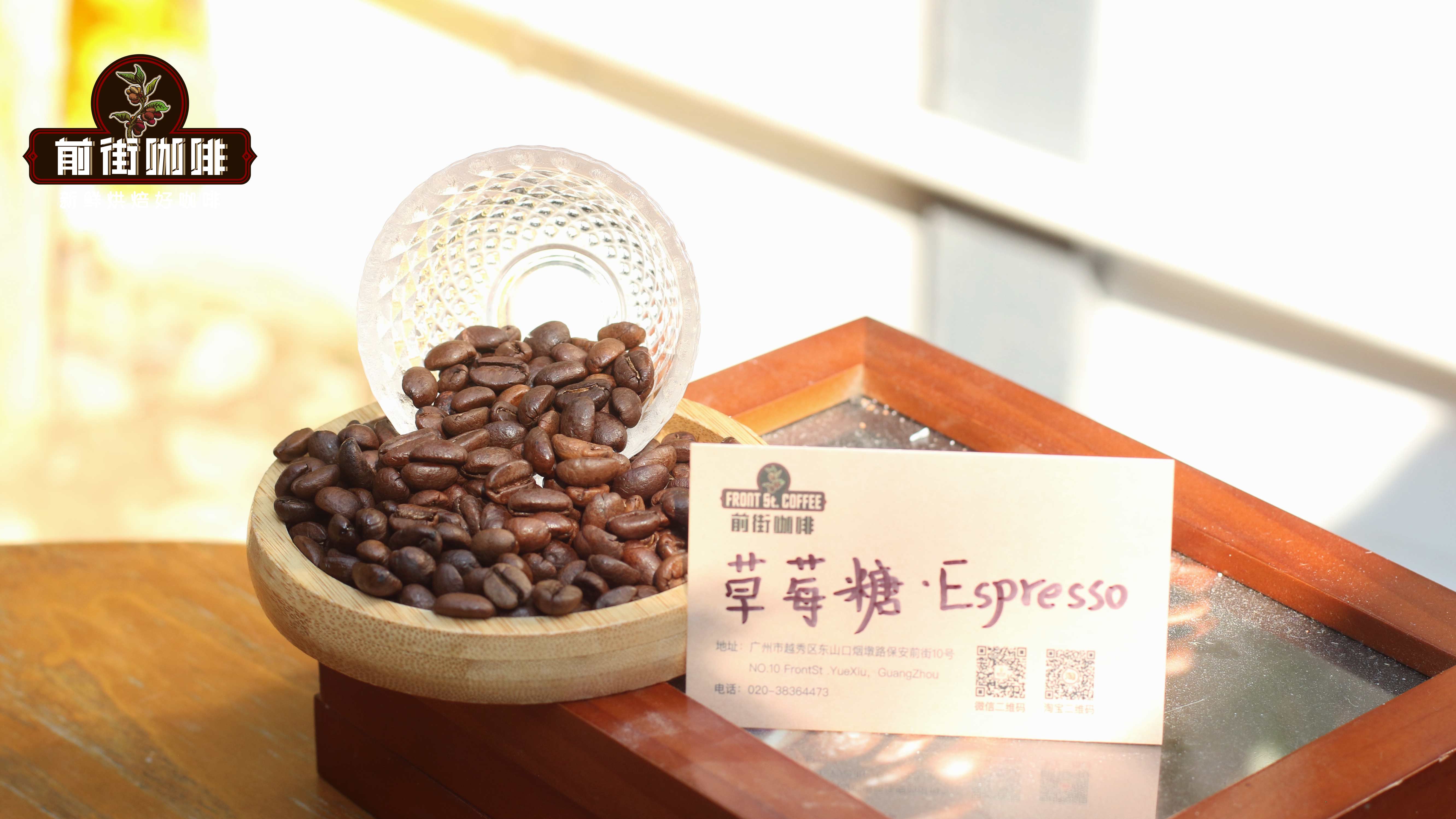
• Strawberry Candy Blend: Combines Costa Rican honey-processed beans and high-altitude Ethiopian beans, along with Colombian beans, delivering sweet and tangy strawberry candy-like notes with soft fruitiness. Suitable for those who enjoy fruity-floral profiles.
• Dark Cocoa Blend: Based on Yunnan and Brazilian beans, with a mild flavor and notes of caramel and dark chocolate. Suitable for beginners or small shops, offering great value for money.
• Premium Blend: Primarily made with Brazilian and Colombian beans, featuring a mild flavor with slight acidity and sweetness, and medium crema. Suitable for drinkers who prefer a delicate taste.
• Commercial Blend: A mix of Brazilian, Colombian, and a small amount of Robusta, with rich crema and bold caramel and dark chocolate flavors. Ideal for consumers who enjoy intense flavors.
When it comes to pairing espresso with milk, the classic example is the latte. The generally recommended espresso-to-milk ratio is 1:6, meaning 40 grams of espresso paired with 240 grams of steamed milk. This ratio allows the coffee and milk to blend fully, preserving the rich core of the espresso while highlighting the smoothness of the milk and the velvety texture of the foam.
For preparation, it is recommended to use 20 grams of coffee grounds, extracting for about 27 seconds, aiming for a yield of 40 grams. These extraction parameters provide a stable espresso base. Then, use the steam wand to froth the milk to an appropriate microfoam texture, with the temperature ideally controlled between 60 and 65°C to avoid overheating and compromising flavor.
Finally, combining the espresso with the milk foam and pouring latte art is the finishing touch in making a latte. Good integration ensures a smoother mouthfeel and more balanced flavors, while refined latte art serves as the perfect presentation highlight. By mastering the brew ratio, grind size, and milk temperature, you can create a professional-grade espresso and milk-based drink either at home or in a café.
The above content is compiled by CoffeeHunters, a coffee news website.


