







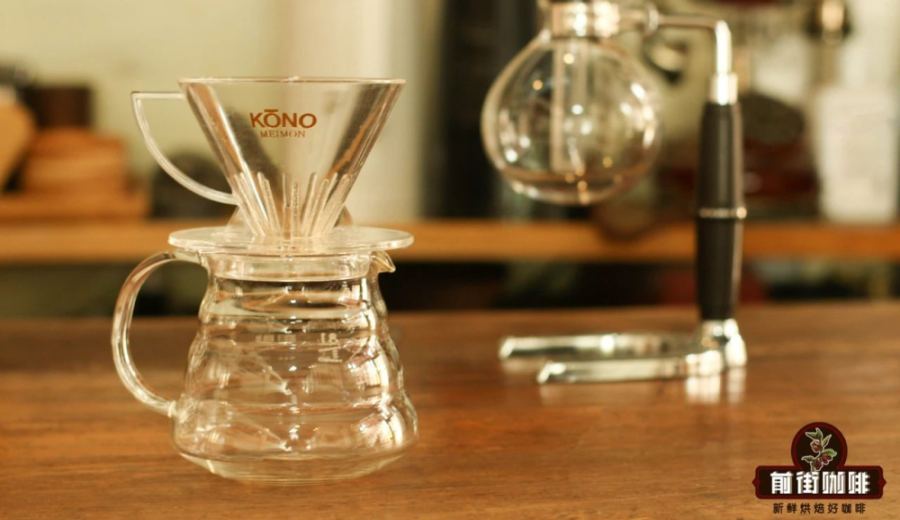
Introduction:Siphon brewing is not just about the equipment—it’s all about technique. By simply adjusting the steps and timing of stirring and steeping, the same coffee beans can yield vastly different flavor profiles. This article uses a Central American bean processed with raisin honey as an example to compare the actual brewing procedures, extraction time differences, and resulting aroma, acidity, sweetness, and mouthfeel of the siphon “stirring method” versus the “steeping method,” helping you find the siphon extraction style that best suits your taste.
The siphon brewer is not only a classic coffee-making device but also an extraction method that showcases subtle variations. By adjusting details such as brew time, whether or not to stir, and heat control, even the same coffee beans can produce distinctly different flavor profiles. This article uses the Mozart from the Music Series of Costa Rica’s Finca Canet, a bean processed with raisin honey that exhibits pronounced floral, berry, and caramel notes. We’ll brew it using both the “stirring method” and the “steeping method” in a siphon to help you understand how these two techniques affect the final flavor.
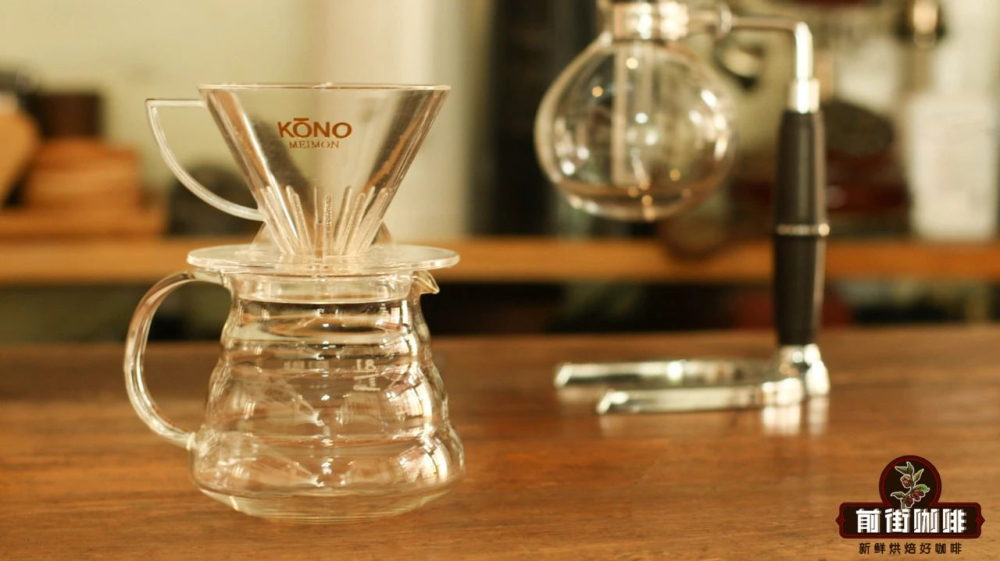
The siphon brewer originated in 19th-century Europe, first developed by Loeff of Berlin, Germany, between 1830 and 1840—nearly seventy years before the commonly seen pour over method. It operates on the principle of siphoning: heating causes steam pressure in the lower chamber to push hot water up into the upper chamber where it mixes with coffee grounds. Once extraction is complete, the heat is turned off, and the coffee flows back down into the lower chamber due to a pressure difference. This brewing method, which combines visual drama with precise control, was hugely popular worldwide in the 1950s and remains beloved by many coffee enthusiasts to this day.
The basic structure of a siphon brewer consists of two chambers: the lower chamber is a spherical container marked with water level indicators, primarily responsible for holding water and collecting the brewed coffee; the upper chamber is a vertical cylinder that serves as the extraction space where coffee grounds interact with hot water. During brewing, heating the lower chamber pushes water up into the upper chamber, where it contacts the coffee grounds through a filter cloth. Then, by removing the heat source, a partial vacuum is created, causing the coffee to siphon back down. This entire process not only requires careful temperature control but also demands precise timing and technique.
The coffee beans used in this experiment are the Mozart from the Music Series produced by Finca Canet in Costa Rica, sourced from the Tarrazú region at an altitude of approximately 1,950 meters. The variety is a mix of Caturra and Catuaí, processed using the raisin honey method. This processing method gives the beans rich floral notes, soft fruit acidity, and distinct aromas of berries, raisins, and caramel—making it an excellent choice for demonstrating the differences between siphon brewing techniques.
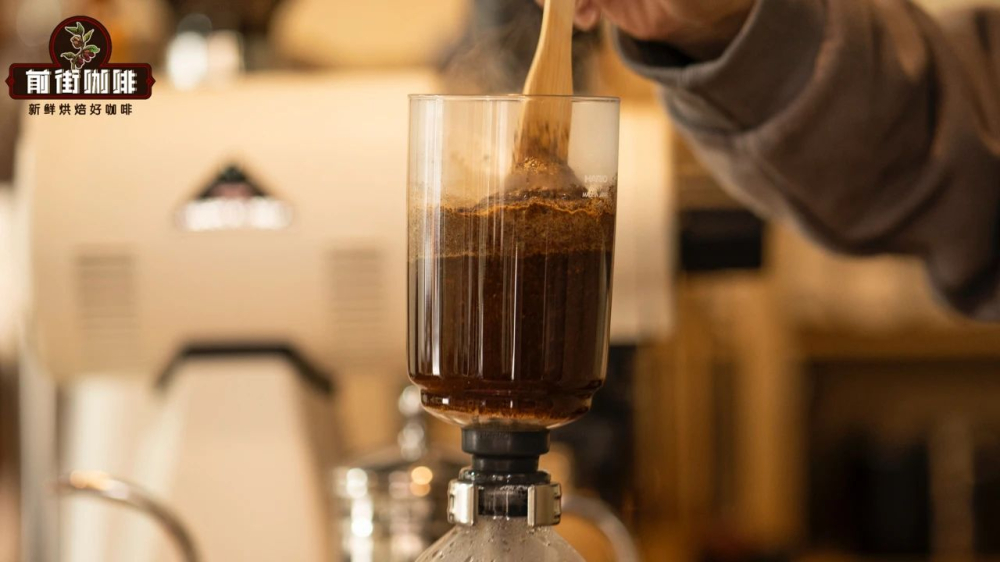
First, we tried the “stirring method.” Using a 1:10 coffee-to-water ratio, 20 grams of coffee grounds were paired with 200 milliliters of water, ground to a medium-fine consistency (approximately the 9th setting on an EK43 grinder, equivalent to 85% passing through a Chinese No. 20 sieve), with water temperature maintained at 90°C. When the water in the lower chamber reached 90°C, the upper chamber was assembled and heating commenced. Once the water rose into the upper chamber, the coffee grounds were added and gently stirred to ensure even mixing. The key step lies instirring in a cross pattern once about 30 seconds after the coffee and water come into contact, which helps break up the crust formed by the coffee grounds and promotes more even extraction. Then, at56 seconds, the heat source is removed, allowing the coffee to begin siphoning back down. The total extraction time is approximately1 minute and 8 seconds. This method produces coffee with pronounced floral, berry, and fermented wine aromas, a full-bodied mouthfeel, and lingering notes of raisin acidity as the temperature cools.
Next, we used the “steeping method” for comparison. The same 1:10 coffee-to-water ratio was applied, using 20 grams of coffee and 200 milliliters of water, with the same grind size and water temperature as the stirring method. Once the water rose into the upper chamber and mixed with the coffee grounds,no additional stirring was performed; instead, it was left to steep for about 1 minute before removing the heat, extending the total extraction time to1 minute and 32 seconds. This method produced coffee with more prominent osmanthus floral notes, while the berry and raisin characteristics remained evident, though the overall mouthfeel was relatively cleaner and slightly lighter, with a sweet caramel note in the aftertaste.
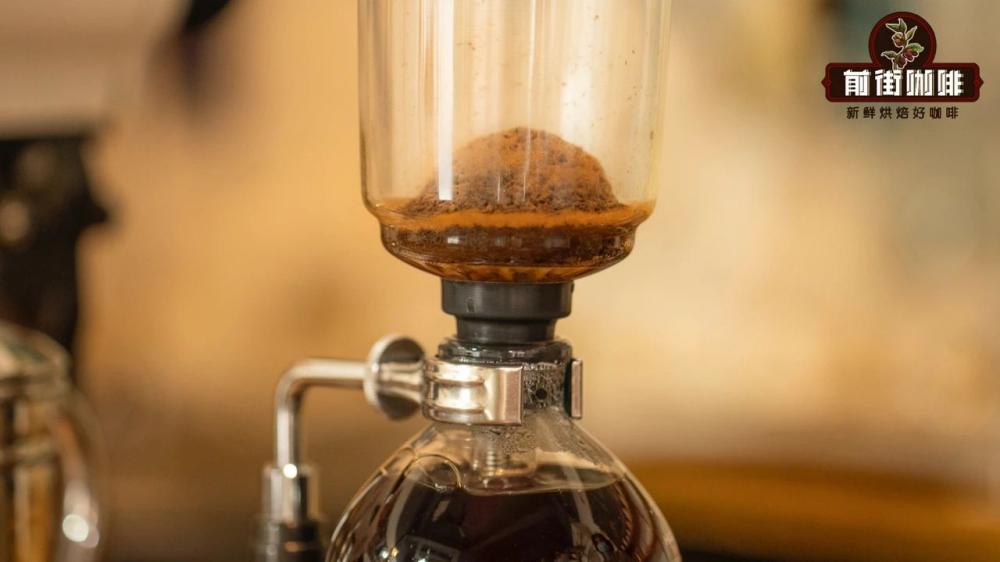
In comparison, the “stirring method,” with its mid-brew cross-stir and shorter extraction time, results in a more concentrated and full-bodied cup, with pronounced fermentation aromas and wine-like qualities—ideal for those who enjoy layered, bold flavors. The “steeping method,” by extending the contact time between coffee and water, highlights the bean’s sweet and fruity characteristics, resulting in a fresher, lighter-bodied cup suited for those who prefer a cleaner taste with lower acidity and sweetness.
Regardless of which method you choose, siphon brewing requires attention to several key parameters: water temperature should be kept between 86–94°C to ensure stable extraction and balanced flavor; grind size typically ranges from medium-fine to medium, with adjustments possible based on bean type and desired flavor profile; additionally, always clean the filter cloth after each use, and replace it regularly over time to prevent residual oils or impurities from affecting the coffee’s purity.
In summary, the charm of siphon brewing lies not only in its unique visual experience but also in its ability to allow the brewer to explore the multiple potentials of the same coffee beans through subtle technique adjustments. Whether you’re a beginner or a seasoned enthusiast, you can start with these two fundamental methods—stirring and steeping—to discover your own preferred expression of siphon coffee.
The above content is compiled by CoffeeHunters, a coffee news website.


