







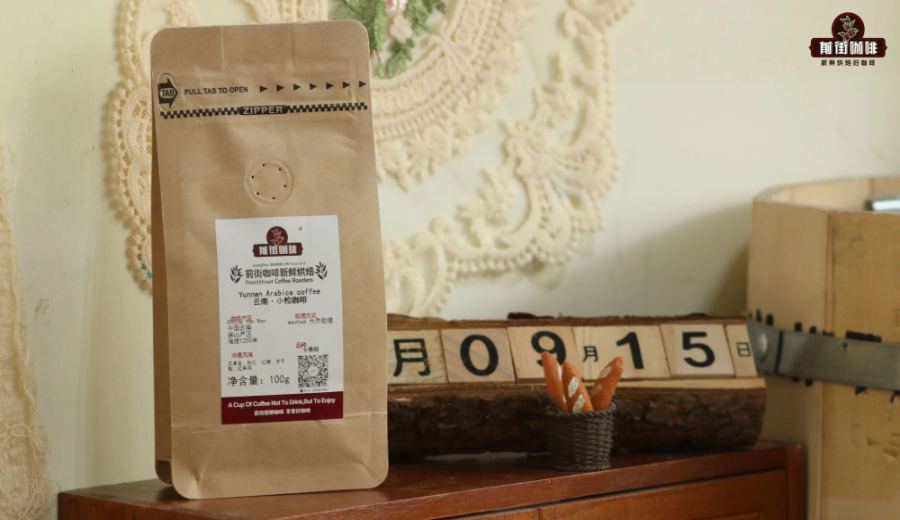
Introduction:Want to understand the unique charm of Yunnan small-grain coffee? This article provides an in-depth analysis of the characteristics of Yunnan’s major producing regions, from Baoshan’s Catimor to Lincang’s Typica, introducing the differences between washed and natural processing methods, and exploring the subtle variations in flavor these beans exhibit. Whether you’re just getting started with pour over or seeking inspiration for a specialty coffee menu, you’ll find practical advice here.
Yunnan coffee has seen steady improvements in quality in recent years, gradually attracting attention from coffee enthusiasts both at home and abroad. This land in China’s southwest boasts unique geographical and climatic conditions suitable for growing Arabica, especially in areas like Baoshan and Lincang, where many promising coffee bean varieties are cultivated. This article offers a comprehensive and practical bean selection guide, covering everything from regional background and varietal evolution to processing techniques and flavor profiles.
As China’s largest coffee-growing region, Yunnan currently has a planted area of approximately 1.8 million mu, with an annual output of about 139,000 tons, accounting for roughly 1.5% of global production. Among this, about 10% meets high-grade commercial bean standards (scoring above 75), while specialty-grade beans make up around 5% (2019 data). The region spans nine prefecture-level cities including Pu’er, Baoshan, Dehong, and Lincang, serving as an important raw material source for many coffee brands. Among them, Baoshan— one of the first areas to introduce coffee trees—has a particularly noteworthy planting history and regional conditions worth exploring in depth.
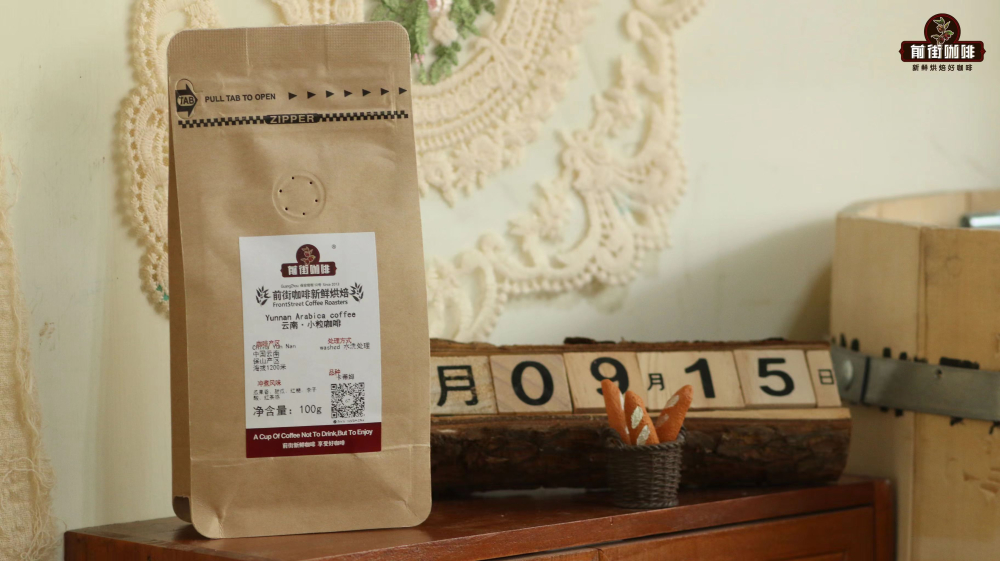
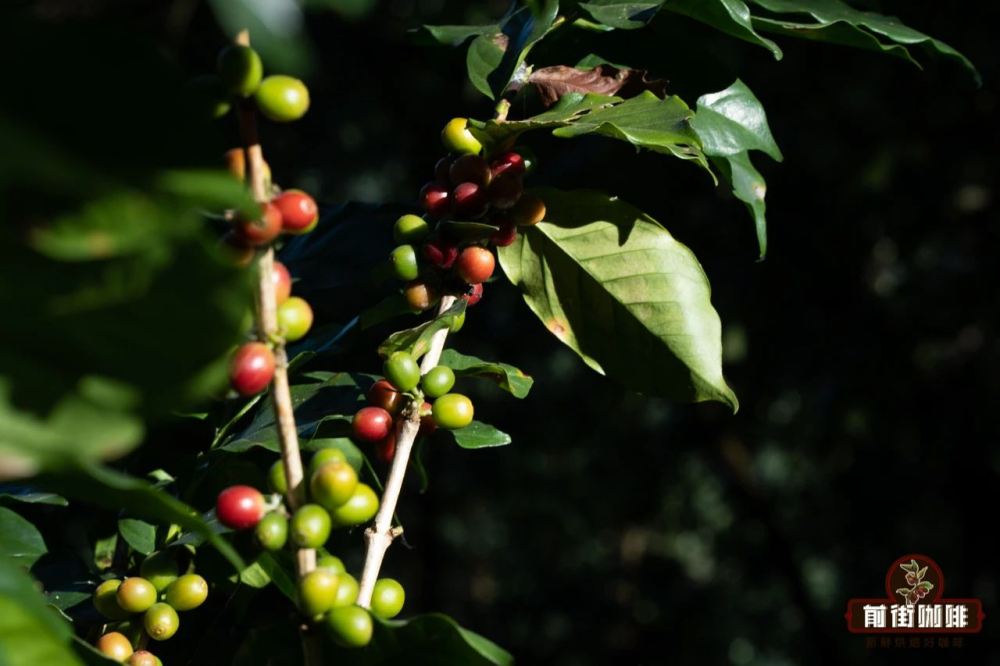
Baoshan began experimenting with coffee cultivation in the 1950s, and the Luxi River Dam has now become the country’s leading coffee-growing base, with Xinzhai Village in the area even being honored as the “First Coffee Village of China.” The region enjoys a warm climate with no frost, and its high-altitude environment results in significant diurnal temperature variation, slowing the ripening process of coffee cherries and allowing them to accumulate richer flavor compounds. Additionally, due to the limitations of mountainous terrain, harvesting is mainly done manually, typically concentrated during the winter months from November to March of the following year, which also means each coffee bean embodies the careful attention of farmers.
When it comes to “Yunnan small-grain coffee,” many wonder which variety it actually refers to. In fact, this name usually denotes the most widely planted variety of Arabica (Coffea arabica L.) in Yunnan—Catimor. In the early days, Baoshan once grew Typica, Bourbon, and S288, among others, but Typica, though elegant in flavor, suffered from low yield and poor disease resistance, and was eventually replaced by the introduced Catimor. Catimor is a hybrid of Caturra and Timor, with Timor itself being a natural cross between Robusta and Arabica, carrying strong disease-resistant genes and high-yield traits, making Catimor the most mainstream variety cultivated in Yunnan today.
In terms of processing methods, Yunnan coffee mostly employs two traditional approaches: washed and natural. Since most producing areas lack expensive equipment and face a variable climate—especially frequent rainfall during harvest season—washed processing has become the more common and stable choice. This method effectively controls the fermentation process, reducing impurities and undesirable flavors, and is well-suited for those seeking clear and defined flavor profiles.
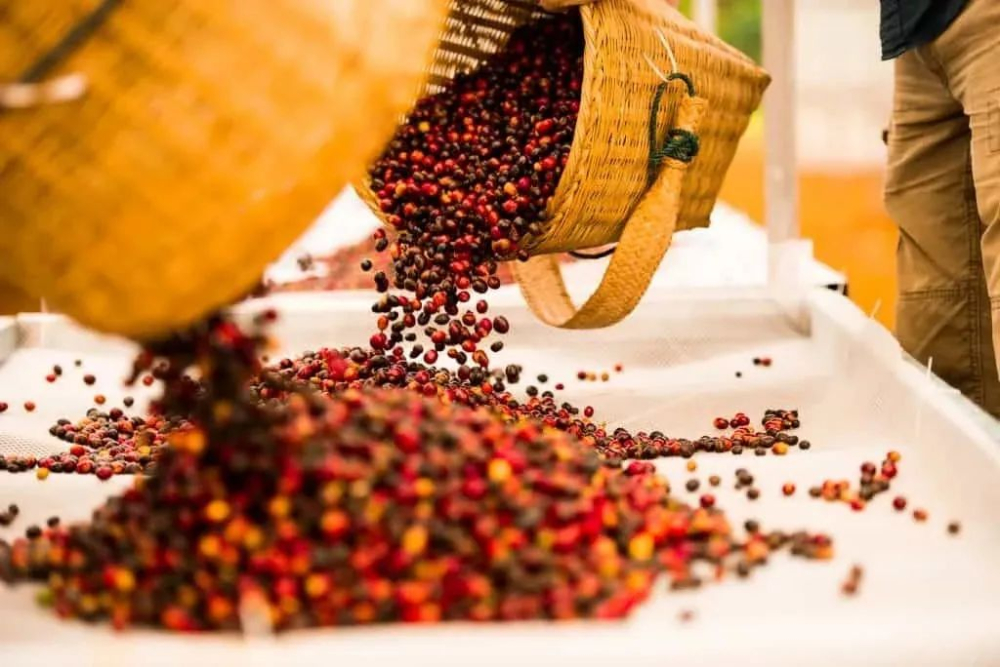
The general process for washed Yunnan small-grain coffee beans is as follows: after harvesting, floatation is used to remove defective beans, followed by mechanical removal of the skin and pulp, at which point the beans still retain a layer of mucilage. The beans then enter a fermentation tank, where microbial action breaks down the mucilage, which is subsequently rinsed multiple times with clean water to ensure surface cleanliness. Finally, they go through the drying stage. With the excess sticky substance removed, the drying time can be significantly shortened, typically taking about two weeks, depending on weather conditions.
If you prefer bright, clear notes of nuts and chocolate, you might want to try a certain washed Yunnan small-grain coffee bean. Grown in Baoshan at an altitude of about 1,200 meters, the variety is Catimor and it undergoes washed processing. Its flavor profile is grounded in nutty aromas, accompanied by herbal, chocolate, and caramel layers, with a finish that carries a slight fruity acidity. Overall, it’s balanced and suitable for most drinkers.
In contrast, natural processing can bring out richer and more layered sweetness and fruitiness. This is the most traditional processing method, requiring whole coffee cherries to be evenly spread out and frequently turned to ensure uniform drying and prevent over-fermentation. The natural process preserves the sugars in the fruit pulp, allowing the coffee to showcase more abundant sweetness and a fuller body after roasting.
A certain brand’s 2013 Yunnan Typica is a classic example of natural-processed coffee, grown in the Lincang region at an altitude of about 1,300 meters and meticulously managed by its own estate. This variety is the ancient Typica, which, although not high-yielding, offers pure flavors. After natural processing, it exhibits the tangy sweetness of dried apricots, nutty tones, brown sugar sweetness, and a tea-like fresh aftertaste. It’s ideal for coffee lovers who enjoy complex flavors and layered sweetness.
Regarding the overall flavor profile of Yunnan small-grain coffee, many describe it as having layers of chocolate, sweet potato, and even Chinese plum. In actual tasting, one often experiences a balanced expression of sour, sweet, and bitter notes. Medium roasting can highlight its roasted aromas of chocolate and nuts, while retaining a moderate vibrancy of fruit acidity. In cupping notes, common descriptors include nuts, herbs, and brown sugar aromas, paired with fruity sweetness and plum acidity, resulting in a round and harmonious mouthfeel. Natural-processed Typica, on the other hand, may present flavors of chocolate, baked bread, tropical fruit fermentation, and the soft aftertaste of black tea, adding more variety and surprises to the flavor spectrum.
The above content is compiled by CoffeeHunters, a coffee news website.


