







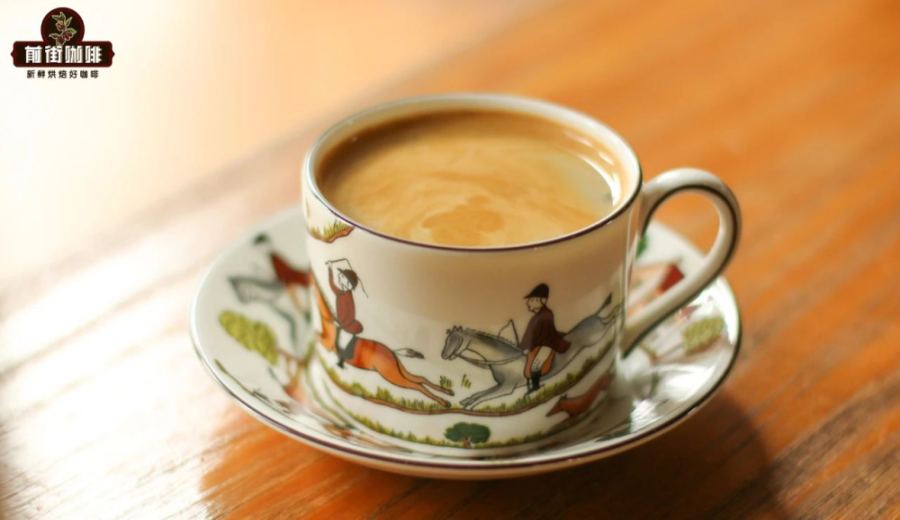
Introduction:Many beginner coffee drinkers often feel confused about espresso, Americano, and the recently popular SOE (single origin espresso). They especially wonder if it’s worth trying an SOE latte. This article will thoroughly explain the definitions and differences between espresso and Americano, introduce the roasting characteristics and suitable bean varieties of SOE, and through actual brewing processes and flavor evaluations, help you deeply understand the unique charm and practical extraction parameters of an SOE latte.
For those new to coffee, common questions include: What is an Americano? How is it different from espresso? Which one is smoother and more suitable for daily drinking? Starting with basic definitions, this article will help readers clarify these common queries, further explore the concept of SOE (Single Origin Espresso), its roasting essentials, and recommended beans. Finally, through actual brewing and tasting experiences, it will guide you in evaluating whether an SOE latte is worth trying.
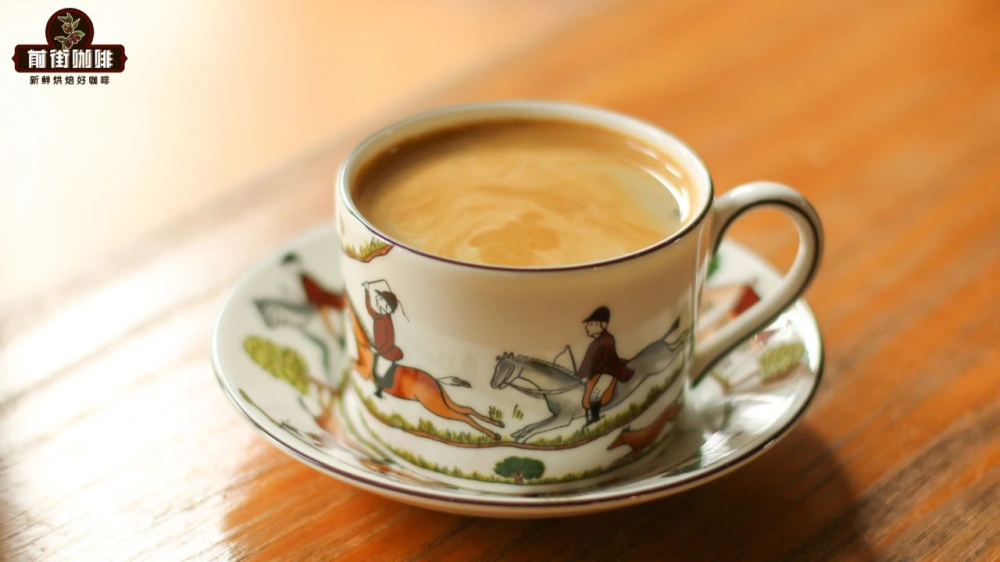
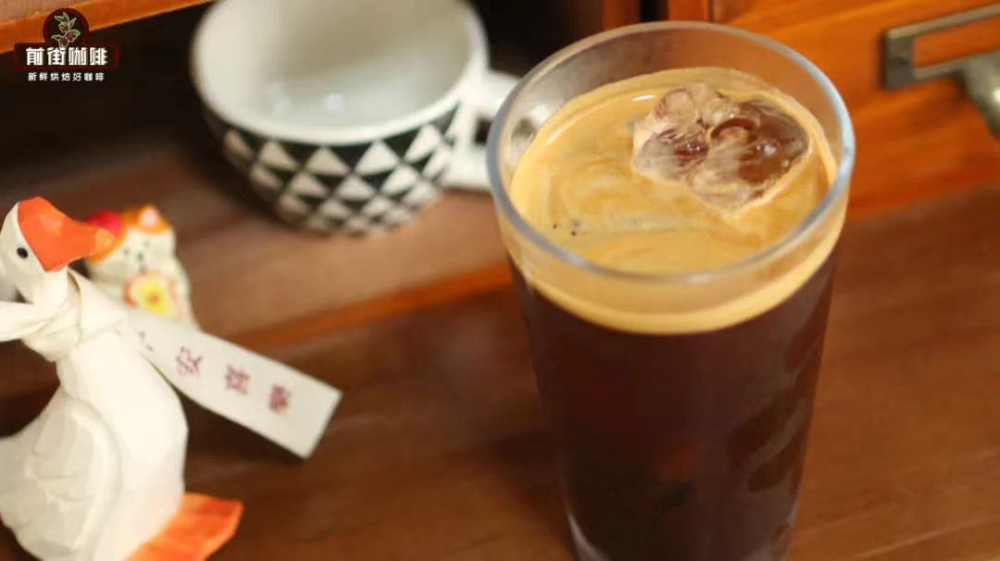
First, what is an Americano? Simply put, it is a coffee beverage made by diluting espresso with hot water. This method originated during World War II when American soldiers, unaccustomed to the strong flavor of espresso, chose to add water to dilute it. Although a lot of hot water is added, the taste of an Americano is relatively light and refreshing, with the aroma still noticeable, making it suitable for consumers who prefer lower-concentration coffee.
The key to making an ideal Americano lies in the extraction quality of the espresso and the ratio of water to coffee powder. A common ratio is 1:4 — for example, using 20 grams of coffee powder to extract 40 grams of espresso, then adding 160 grams of hot or iced water, resulting in either a hot or iced Americano. If you want a richly crema-ed Americano, it's recommended to use a classic blend, controlling the extraction time to around 25–30 seconds. This way, the final cup not only has the aroma of dark chocolate, roasted nuts, and cocoa, but also a soft buttery tone with a slightly sweet aftertaste.
So, what is espresso? Broadly speaking, any coffee extracted using an espresso machine can be categorized as espresso. Among them, Espresso (espresso) is the most representative item. Espresso is a high-pressure brewing method, usually under nearly 9 BAR of pressure, where near-boiling hot water passes through extremely finely ground coffee powder and extracts a highly concentrated coffee liquid of about 30 ml in an extremely short time (about 25–30 seconds). Its surface is covered with a layer of golden, fine crema.
This layer of crema is not only a visual highlight but also the main source of aroma, while the coffee liquid underneath carries the primary flavors and mouthfeel. Espresso is the base for many classic coffee drinks such as lattes and cappuccinos. If this step fails, it’s hard for the subsequent drinks to achieve the desired result.
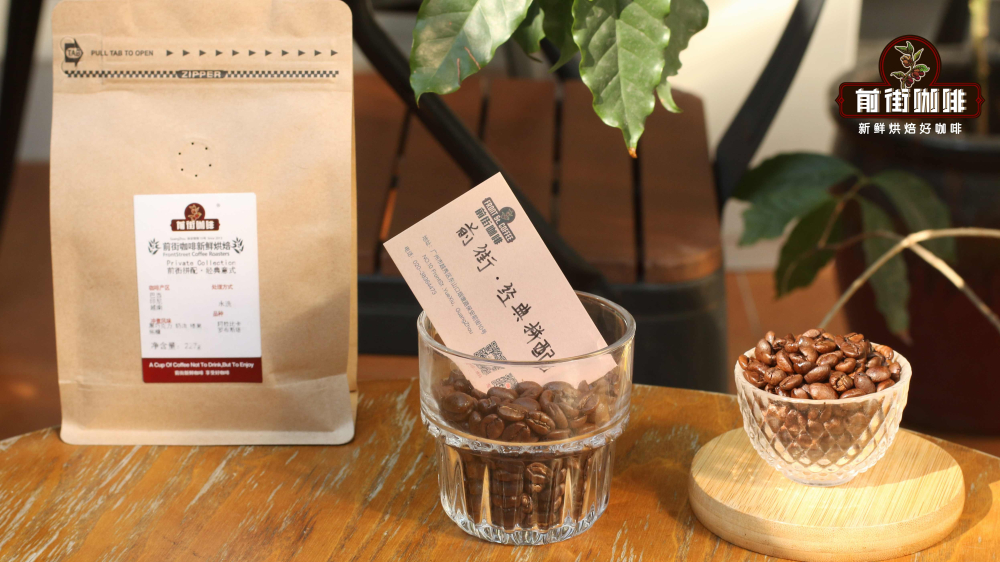
In recent years, SOE (Single Origin Espresso) has gradually emerged in the coffee market. The so-called SOE refers to espresso made using single-origin coffee beans. This type of coffee emphasizes the uniqueness of the origin, but since single-origin beans are usually designed for pour over or cold brew, they are often roasted to a light to medium level. Using them directly for high-pressure extraction can easily lead to uneven extraction, insufficient crema, or splattering.
To make SOE suitable for espresso, many coffee shops specially adjust the roast profile. For example, for users who enjoy fruity and sweet flavors, some shops have launched three sun-dried SOE coffee beans: Huā Kuí (Flower Queen), Chá Kǎ (Chaka), and Hóng Yīng Táo (Red Cherry), adjusting the roast degree specifically for espresso machines. If you prefer beans from high-altitude regions in Central and South America, such as Colombia, Panama, or Guatemala, these beans are typically medium roasted, showcasing caramel sweetness and stable extraction performance, suitable for various brewing methods.
Additionally, if you want to enhance fruity notes, you might prioritize single-origin beans with special processing methods such as natural, honey, or anaerobic natural. For example, Colombian Geisha uses double anaerobic natural processing, and the resulting SOE Americano has aromas of blueberry, passion fruit, and grape. Similarly from Colombia, Dà Dù Qí (Big Belly Button), processed with anaerobic natural, results in a latte that exhibits tones of orange, nuts, and milk candy. For consumers who dislike acidity or prefer low-acid balanced flavors, medium to dark roasted beans from Asia or South America, such as Brazilian Cerrado or Colombian Queen Estate, are good choices. These beans typically exhibit a rich, low-acid, and round-mouthfeel character.
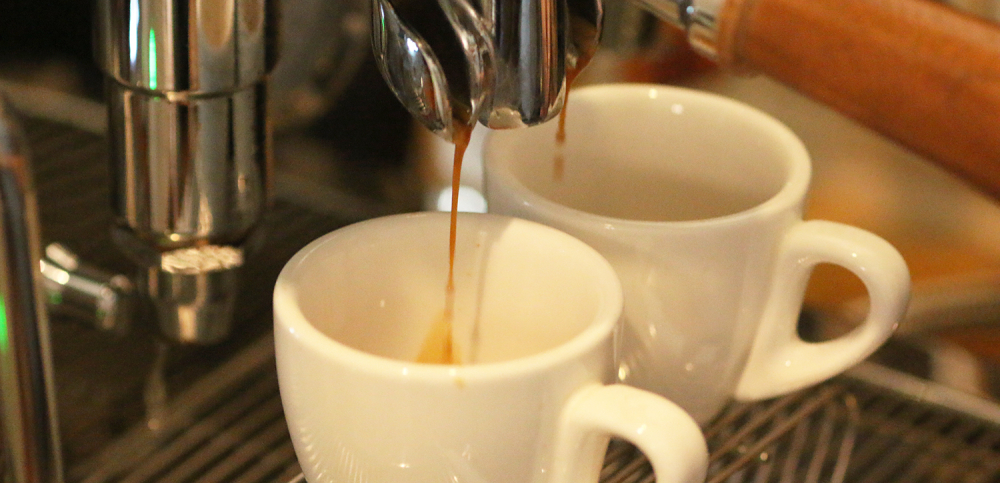
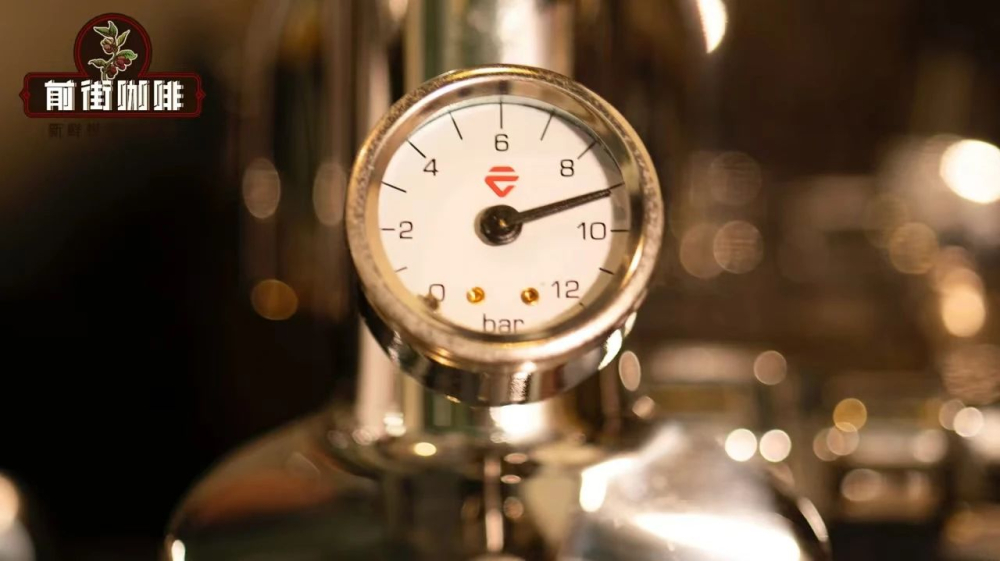
So, is an SOE latte tasty? Below is an actual brewing process and flavor record for reference. The Mozart SOE coffee beans were used, with 20 grams of coffee powder aiming to extract 40 grams of espresso, at a powder-to-liquid ratio of 1:2, with extraction time controlled between 26–32 seconds, and grind size set to the 2.0 mark on the Galileo Q18 setting. Paired with 200 grams of fresh cold milk, a standard SOE latte was made.
During brewing, first ensure the portafilter basket is dry. Evenly distribute the 20 grams of ground coffee, then tamp vertically with a tamper to ensure consistent puck density. Next, run water for 1–2 seconds to pre-wet the group head, then lock the portafilter in place and begin extraction. Observe the flow rate of the extraction; when it reaches 40 grams and the time is about 30 seconds, stop the extraction. Then, use the steam wand to froth 200 grams of milk to a temperature of 55–60°C, maintaining a milk foam thickness of 0.3–0.5 cm. Finally, evenly integrate the milk foam with the espresso and finish with latte art.
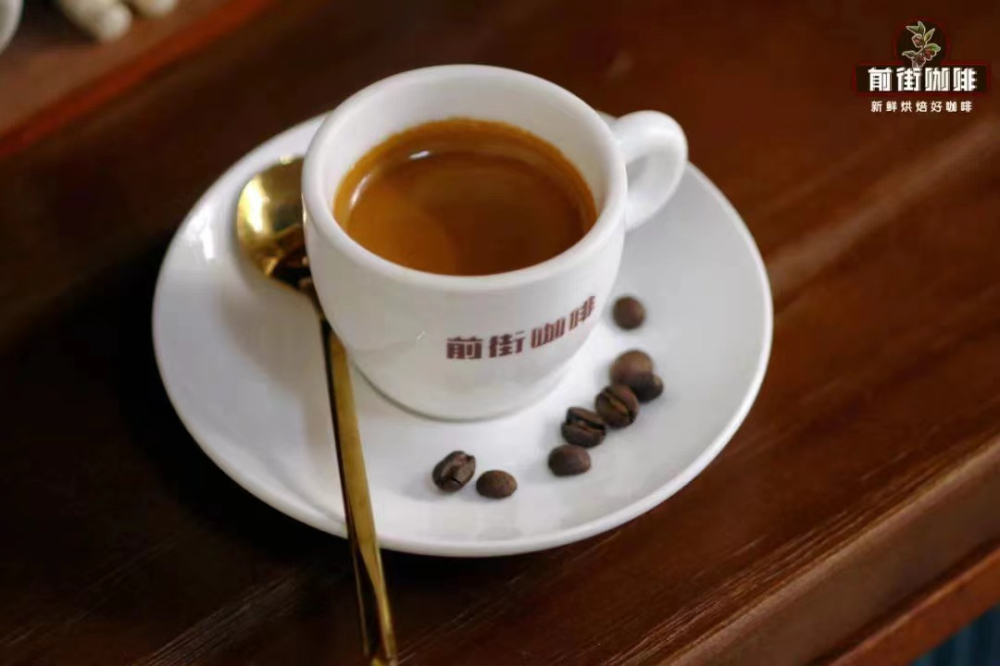
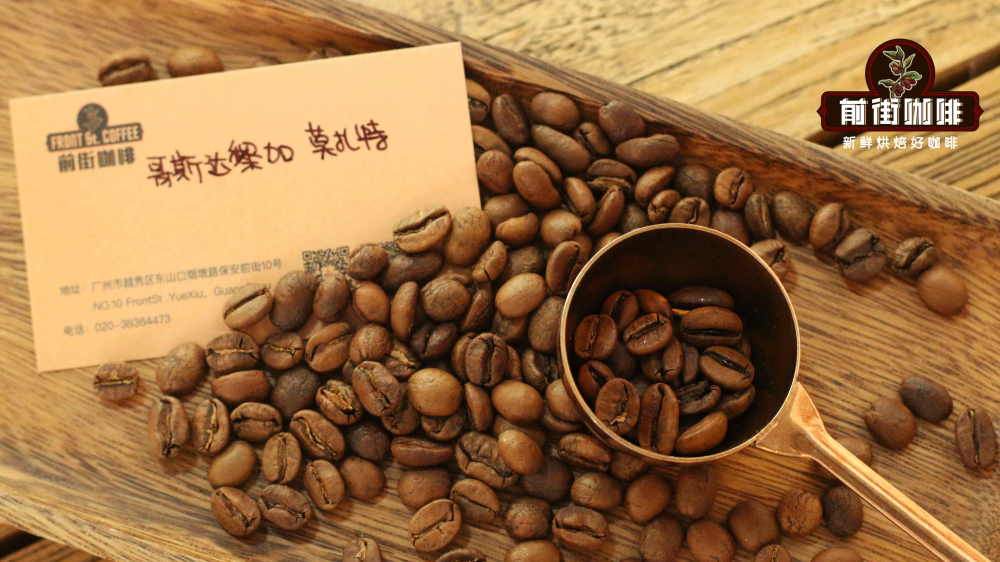
When tasting this Mozart SOE latte, you can clearly perceive floral and fruity aromas. The first sip brings layers of raisin, pink floral notes, preserved fruit, pineapple, and sweet orange, while the aftertaste reveals the richness of cocoa and hazelnut. The overall flavor is as rich and memorable as a cranberry cookie. For coffee lovers who want to try the flavor of single-origin beans without sacrificing taste balance, the SOE latte is definitely worth a try.
The above content is compiled by CoffeeHunters, a coffee news website.


