







Introduction:Have you ever wondered why Japanese pour over coffee emphasizes a slow and steady water flow, while Italian espresso focuses on fast, high-pressure extraction? This article will delve into a comparative analysis of the historical backgrounds, brewing techniques, suitable beans, and cultural characteristics of these two major coffee traditions. From the principles of brewing to flavor profiles, you’ll gain a comprehensive understanding of the key differences between Japanese and Italian coffee styles. Whether you’re a beginner or a coffee enthusiast, you’ll find practical insights and brewing inspiration here.
Coffee is one of the most popular beverages in the world, yet Japan and Italy have each developed their own distinctive coffee cultures and brewing philosophies. Japanese pour over emphasizes delicate water temperature control and long extraction times, excelling especially in highlighting the rich layers of dark roasted beans. Italian espresso, on the other hand, relies on high pressure and high temperature to quickly extract a bold and intense coffee essence, becoming the foundation of modern coffee beverages. This article will comprehensively dissect the essence and differences of these two coffee systems, from brewing techniques and historical evolution to cultural practices.
When it comes to coffee consumption, both Japan and Italy are representative countries, but their coffee preferences and brewing methods differ greatly. Japanese coffee culture values meticulous craftsmanship, particularly in the pour over domain, where precise water flow and unique filter designs bring out the unique charm of dark roasted beans. Italian coffee, centered around espresso, has evolved from the invention of the steam-powered coffee machine to the standardization of modern espresso, transforming coffee into a quick, intense, and ritualistic daily enjoyment. Next, we’ll conduct an in-depth comparison of these two brewing traditions from multiple perspectives.
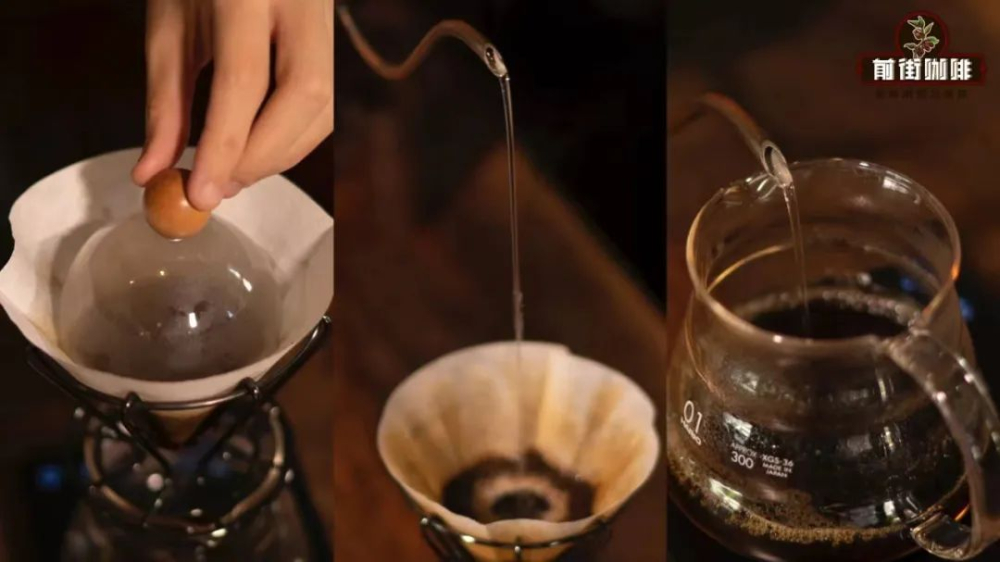
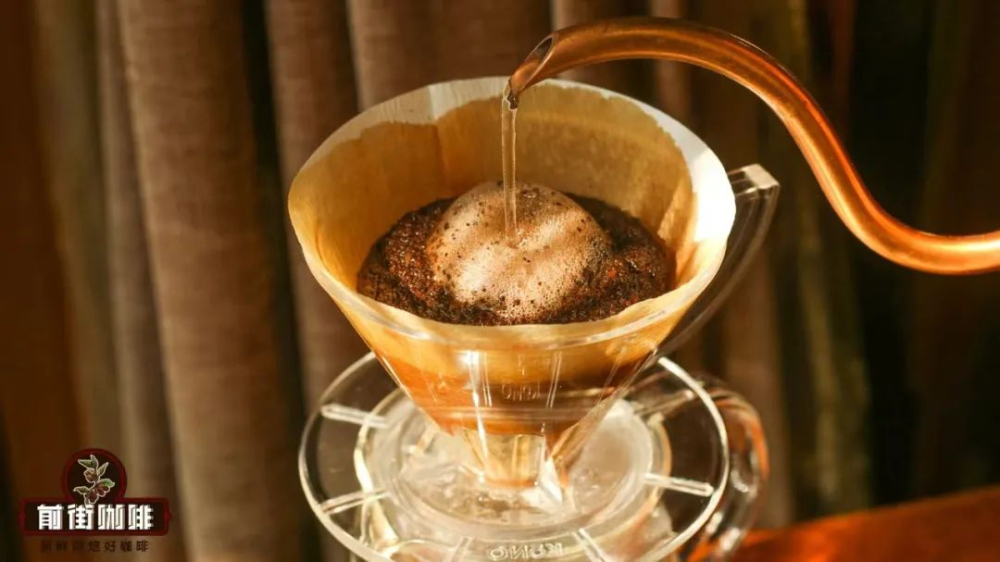
When Japanese pour over is mentioned, many people first think of the glossy black beans resulting from deep roasting, as well as the brewer’s low-key and focused pouring posture. Compared to common fast-pouring methods, Japanese pour over prefers a slow and stable water flow to fully draw out the richness and balanced bitterness of dark roasted beans. Below are some of the most representative Japanese pour over techniques.
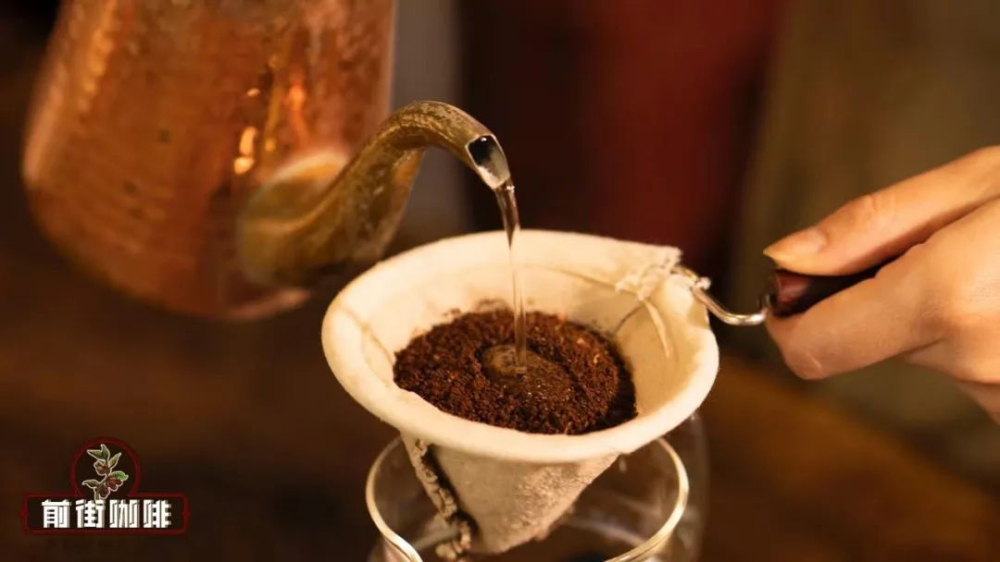
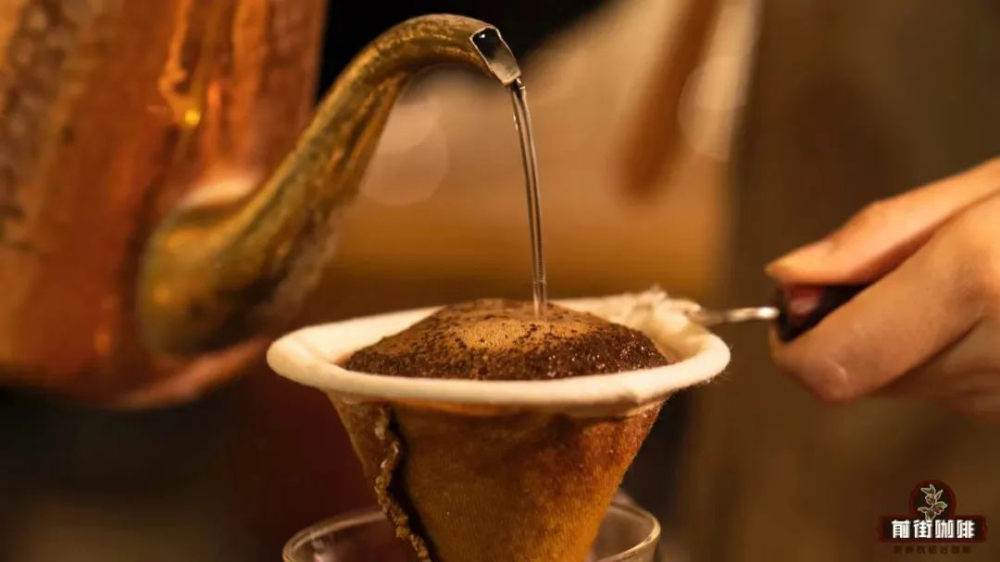
The Kawahara Drip Method was born in 1973, developed by the Kawahara family, founders of the renowned Japanese coffee equipment brand Kono. This technique is characterized by using a flannel filter cloth paired with a specially designed filter dripper, and extracting coffee by letting hot water drip slowly in bead-like droplets. This drip-style pouring significantly extends the blooming time, helping the carbon dioxide in the coffee beans to fully release, thereby enhancing the solubility of subsequent flavor compounds and ultimately delivering a smoother and richer mouthfeel.
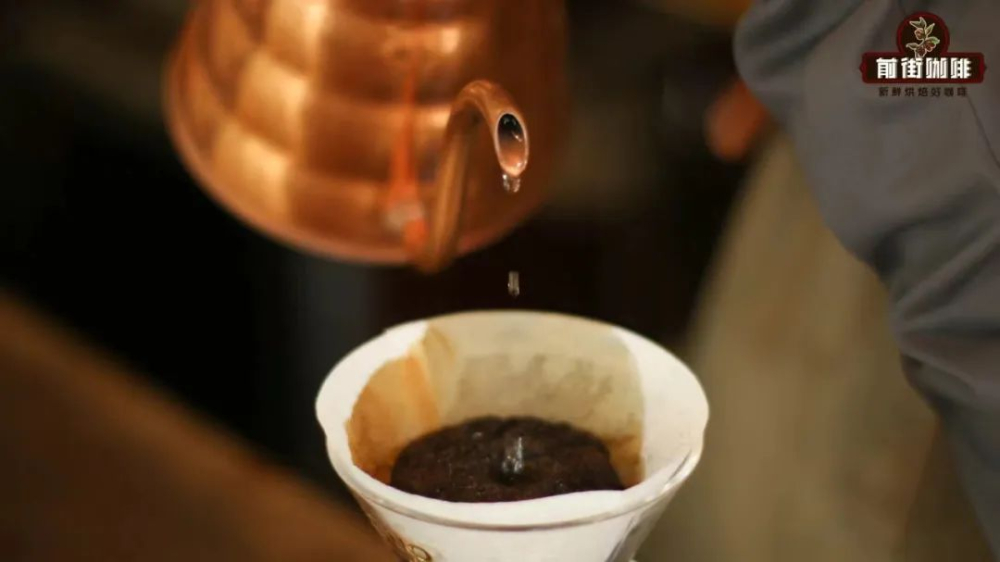
The Matsuya Pour Over is another uniquely distinctive Japanese technique. Its highlights include an exceptionally long blooming phase, a very high pouring height, and an ultra-concentrated coffee liquid that requires bypass adjustment to manage strength. The prolonged blooming helps achieve consistent extraction across coffee beans of varying freshness levels. Pouring from a height allows for natural cooling to reach the ideal brewing temperature even without a thermometer. The resulting ultra-concentrated coffee can be diluted with hot water according to personal taste to flexibly adjust the flavor.
The Volcano Pour Over is the most visually dynamic of the three techniques. During brewing, the coffee grounds layer repeatedly expands and contracts due to the hot water infusion, resembling the spectacular eruption of a volcano. This technique also begins with blooming, followed by segmenting and pouring small amounts of water into the center of the filter dripper. After each pour, a brief pause is made to allow the coffee liquid to fully permeate. Due to the high extraction efficiency of the Volcano Pour Over, a higher coffee-to-water ratio is recommended, and the final coffee liquid often needs to be diluted via bypass to achieve the desired drinking concentration.
It’s worth noting that the above Japanese pour over techniques are generally more suited to extremely dark roasted coffee beans, as they were originally designed to fully showcase the boldness and richness of dark roasts. If you prefer a calm and deeply bitter coffee experience, you might want to try these techniques yourself—you may discover sensory pleasures quite different from your everyday brews.
In contrast to the delicate and slow-paced nature of Japanese pour over, the history of Italian coffee is filled with industrial innovation and rapid consumption. As early as 1580, coffee beans entered Italy through the port of Venice, initially considered a luxury item for the upper class and even regarded as the “devil’s drink” due to its Middle Eastern origins. It wasn’t until the early 17th century, when Pope Clement VIII “baptized” coffee, that it gradually gained acceptance. By 1645, with the opening of Europe’s first coffeehouse, coffee quickly became widespread in Italy.
Italians not only transformed the social status of coffee but also made revolutionary contributions in equipment and technology. In 1884, Angelo Moriondo registered the patent for the first steam-powered coffee machine, but due to poor temperature control, the coffee often had a burnt, bitter taste. Later, in the late 19th to early 20th century, Luigi Bezzera introduced an improved steam-pressure coffee machine capable of quickly extracting strong coffee under high pressure. Around 1920, the term “espresso” was officially included in the Italian dictionary, defined as “concentrated coffee made using pressure.”
The person who truly defined Italian espresso was Achille Gaggia, who in 1938 added a manual lever to the coffee machine, increasing the water pressure from 1.5 bar to 9 bar. This not only successfully extracted the golden crema on the surface of the coffee but also made the concentration and taste of each cup more stable and consistent. This innovation laid the foundation for modern Italian espresso and established the small serving size and high concentration style as the core symbol of Italian coffee culture.
In Italy, ordering an “espresso” is not just a daily habit but also a cultural ritual. Italians typically stop by a café during their busy day to quickly order a dark roasted espresso, drink it in one go, and continue on their way. This highly efficient coffee experience perfectly matches the intense flavor of espresso. Most Italians firmly believe that only traditional espresso is the “real coffee,” preferring the bold bitterness and full body brought by dark roasts. They often add Robusta beans to enhance the richness of the crema. For them, coffee is not just a pick-me-up but also an essential digestive aid after meals.
If you order an iced Americano at an Italian café, you might be met with puzzled looks—or even be served a combination of espresso with ice and water. Of course, with the rise of international influences, some baristas will accommodate travelers’ preferences. But the traditional Italian coffee culture’s devotion to espresso remains an unmistakable hallmark.
The above content is compiled by CoffeeHunters, a coffee news website.


