








Introduction:Want to brew rich, crema-covered coffee with a bold body at home using a moka pot? This article dives deep into the history, components, and usage tips of the moka pot, along with a comprehensive guide on selecting beans, grind size, water-to-coffee ratio, and step-by-step operation. Whether you're a beginner or already experienced, you'll learn to master key parameters, avoid common mistakes, and produce moka pot coffee full of aroma and silky crema every time.
The moka pot, a classic stovetop espresso maker, has been a staple in coffee lovers' homes worldwide since its invention in 1933. Though easy to use, extracting coffee with thick crema, smooth texture, and layered flavors depends on critical factors—from bean selection and grind fineness to heating techniques.

Coffee is not just a daily beverage but also carries diverse cultural and historical significance. From ancient traditional brewing methods to modern specialty coffee trends, the evolution of coffee reflects shifting dietary preferences. The moka pot stands out as a shining star in this history, inspired by espresso culture, offering both practicality and collectible value, and remains widely popular to this day.
Invented in 1933 by Italian engineer Alfonso Bialetti, this stovetop coffee maker—also known as the moka pot or stovetop espresso pot—is often mistakenly thought to brew only mocha-flavored coffee due to the word “mocha” in its name. In reality, it's most commonly used to make espresso-style coffee, especially popular in European households and frequently given as a gift. Its classic design is not only functional but also serves as a decorative and commemorative item.
However, the moka pot has its limitations. Because it uses direct heat, water typically needs to boil to generate enough pressure for extraction. Compared to the ~92°C brewing temperature of modern espresso machines, the moka pot can easily over-extract due to high heat, resulting in bitterness. Additionally, open flame use demands extra safety precautions to prevent accidents from prolonged heating.
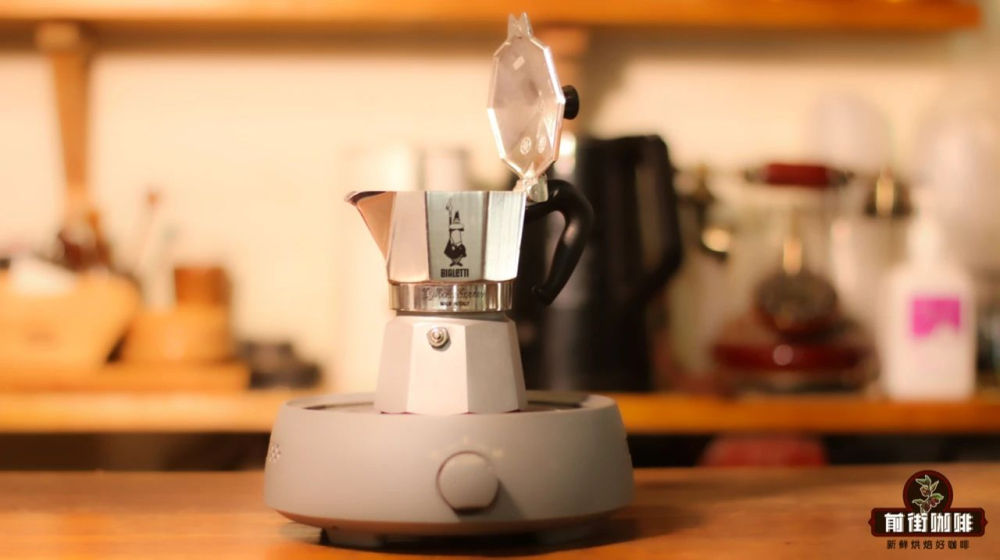
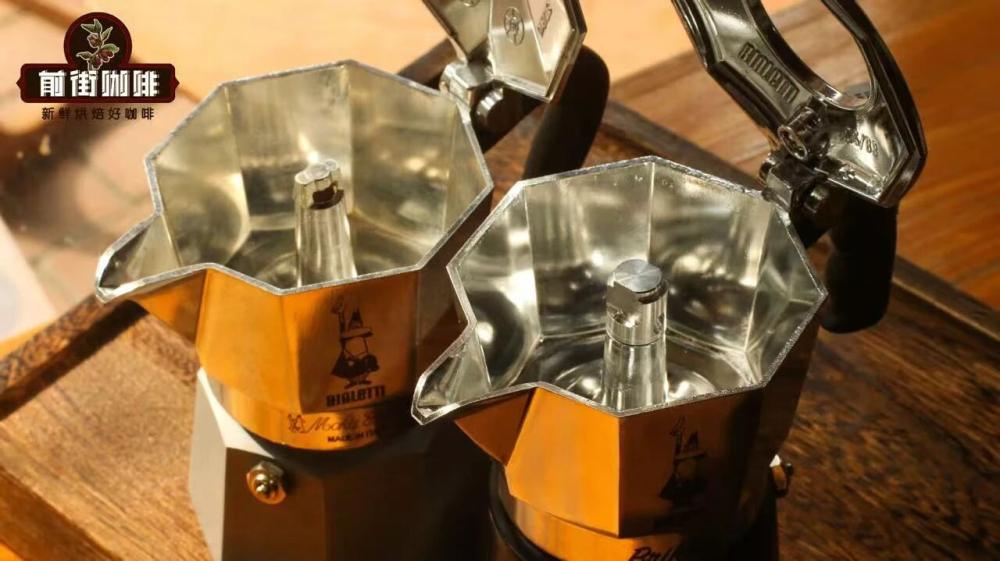
Understanding the basic components of the moka pot is the first step to using it correctly. The moka pot mainly consists of an upper chamber, a lower chamber, a filter basket, and gaskets.GasketThough small, it’s crucial. Improper installation or missing gaskets can cause leaks or failure to build pressure, preventing proper extraction. Moreover, moka pots come in single-valve and double-valve versions. The single-valve type has just one pressure valve in the lower chamber, while the double-valve type has an additional valve on the lid, which creates higher pressure and extracts a richer, crema-covered coffee.
In practice, there’s no absolute standard for the water-to-coffee ratio. Generally, it’s recommended to fill the filter basket with coffee grounds, and the water level in the lower chamber should not exceedthe pressure relief valveto ensure safety. As for grind size, it’s a key factor affecting extraction. While the moka pot can produce crema, grinding too fine can lead to over-extraction and noticeable bitterness. It’s advised to aim for a grind similar tofine salt texture—fine yet still with slight graininess. If you notice slow or no dripping during extraction, the grind may be too fine, causing channeling; adjust coarser. Conversely, if the coffee spurts out too quickly, make the grind finer.
Bean selection also affects the final outcome. Compared to light to medium roasts,medium to dark roasted beans, due to longer roasting times, higher expansion rates, and more retained CO₂, can release rich crema and aroma when fresh, making them ideal for moka pot brewing. If you prefer coffee with delicate crema and a full body, consider traditional Mamba-blend-style coffee; for a café-style flavor, commercial-grade blends are a good choice; those seeking nutty and caramel notes might opt for specialty blends with prominent caramel aromas.
Next is the actual moka pot brewing process. First, fill the filter basket with ground coffee and gently level the surface—do not tamp. Then, pour hot water into the lower chamber, being careful not to exceed themedium-low heat. When the water in the lower chamber begins to turn into steam pressure, the coffee will slowly rise. Pay attention to the sound inside the pot; when you hear a distinct “gurgling” noise, it means the water is almost used up, and you should turn off the heat immediately. Finally, remove the moka pot from the heat source and quickly cool the lower chamber with cold water to release pressure—your brew is complete. The resulting coffee can be paired with milk to make a rich latte.
The above content is compiled by CoffeeHunters, a coffee news website.


