








Introduction:As one of Ethiopia’s most iconic coffee-growing regions, Yirgacheffe is renowned for producing distinctly different flavor profiles through its washed and natural processing methods. The washed process highlights clean, bright citrus and floral notes with a vibrant acidity and crisp mouthfeel, while the natural process showcases rich fruitiness and a sweet, full-bodied character—ideal for those who enjoy complex flavors. This article delves into the craftsmanship differences between the two processes, examines the physical characteristics of the green beans, and provides practical pour over brewing recommendations to help you choose the Yirgacheffe that best suits your taste preferences.
Yirgacheffe in Ethiopia is globally recognized by specialty coffee enthusiasts as a sacred land of flavor. The coffee beans produced here exhibit diverse flavor expressions based on their processing methods. Among them, washed and natural are the two most common techniques, which not only influence the coffee’s cleanliness, acidity-sweetness balance, but also directly determine the final extraction performance and drinking experience.
The washed processing method is a meticulous craft. After harvesting, the coffee cherries first undergo the removal of the skin and pulp, followed by fermentation and rinsing with clean water to thoroughly eliminate any remaining mucilage and parchment. This process typically maintains the coffee beans’ moisture content at around 50%, after which they must quickly enter the drying phase to reduce moisture to approximately 12%. If not handled promptly, residual moisture can lead to secondary fermentation or even mold. The common drying method is sun exposure, which also helps enhance the final flavor’s concentration and aromatic expression.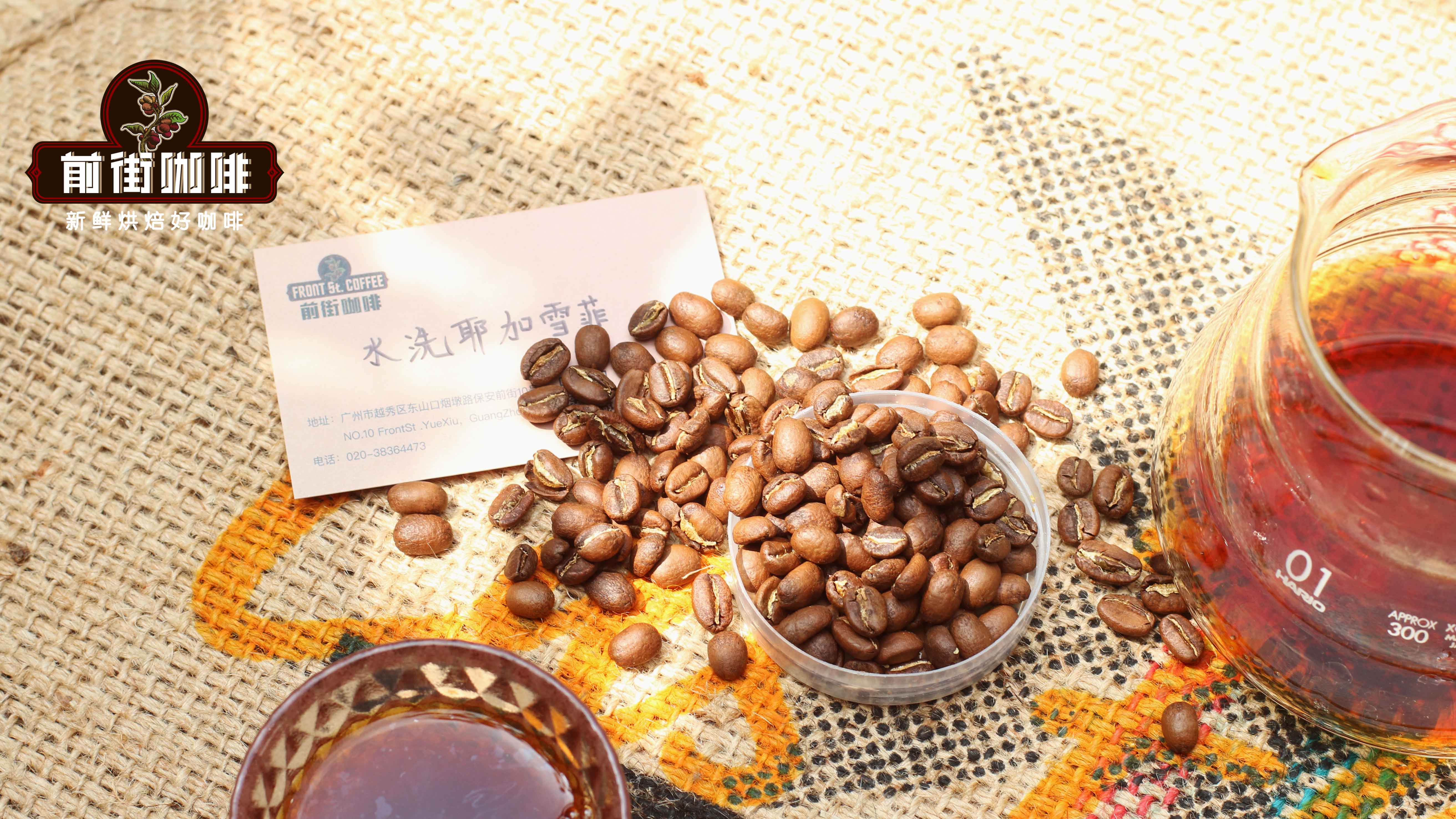
Washed Yirgacheffe typically presents high, clean floral aromas paired with bright citrus acidity—such as lime, lemon, or bergamot notes—and a refreshing, layered mouthfeel. These beans have a medium body but are highly distinctive, making them very suitable for pour over beginners or consumers who prefer a balanced acidity and sweetness without excessive bitterness.
In contrast, the natural processing method follows a different flavor path. This long-established technique involves drying the harvested coffee cherries with their pulp and mucilage intact for an extended period under the sun, usually taking about a month. During this time, close attention must be paid to weather and temperature fluctuations to prevent mold or over-fermentation. Natural processing preserves more of the natural sugars from the fruit pulp, resulting in a coffee that, after maturation, exhibits intense sweetness and tropical fruit flavors—such as blueberry, mango, and even wine-like fermented notes.
A close examination of the green beans reveals quite distinct differences between washed and natural processing. Washed beans usually have their silver skin removed during processing, resulting in a smooth, glossy surface with a unique greenish hue, while natural beans retain their silver skin, appearing yellow-green with a slightly rougher surface. These visual traits can serve as preliminary indicators of the processing method.
For actual pour over brewing, washed Yirgacheffe is recommended to be brewed as a medium-light roast, with a grind size of about medium-fine (similar to granulated sugar particles) and a brew ratio set at 1:15 to 1:16. The brewing water temperature should be controlled between 90°C and 92°C, using a pulse pouring method—for example, starting with 30 grams of water for a 30-second bloom, then pouring in stages until reaching the total water volume, with a total brew time of about 2 to 2 minutes and 30 seconds. These parameters help highlight its fresh floral and citrus notes while maintaining a bright acidity without being overly sharp.
For natural Yirgacheffe, given its more pronounced sweetness and fruitiness, it is suggested to slightly increase the water temperature to 92°C to 94°C, use a slightly coarser grind (closer to white sugar granules), and maintain a brew ratio of 1:15. The bloom time can be extended slightly to 40 seconds to better bring out the rich fruit character and sweetness. The total brew time can be extended to 2 minutes and 30 seconds to 3 minutes, allowing the flavors to fully develop.
Whether you prefer a bright, clean acidity or a rich, sweet fruitiness, both the washed and natural processing methods of Yirgacheffe offer distinctly different taste experiences. By understanding the differences between these processing methods and the appropriate extraction parameters, you’ll be able to more accurately select and brew the perfect cup of Yirgacheffe tailored to your taste.
The above content is compiled by CoffeeHunters, a coffee news website.


