







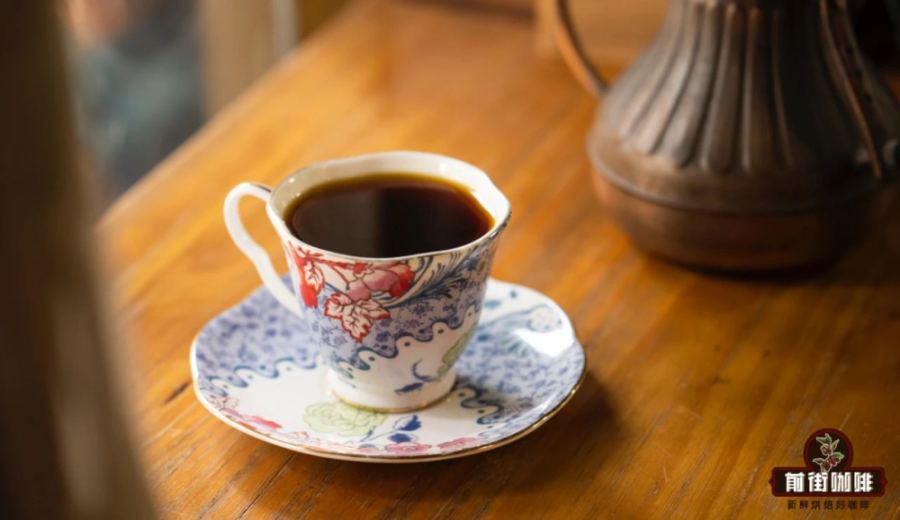
Introduction:For beginners new to coffee, facing a variety of brewing methods and an overwhelming selection of coffee beans, it's often unclear how to choose. This article introduces a range of beginner-friendly coffee beans suitable for different extraction methods—pour over, drip, moka pot, and espresso—including Golden Mandheling, Yirgacheffe Red Cherry, and Costa Rica Mozart. It also analyzes their flavor profiles and brewing suggestions to help readers find the coffee beans that best suit their taste.
For those just beginning to explore the world of coffee, the wide array of coffee beans on the market can be dazzling, leaving one unsure where to start. Different brewing methods—such as pour over, drip, moka pot, and espresso machines—have varying requirements for flavor expression and bean processing. Understanding these differences can make it easier to select beans that match your taste preferences and brewing style.
Many people, especially during important exam periods in their student days, often rely on coffee to stay alert. Coffee not only helps with concentration but choosing the right beans can also bring a rich flavor experience, making the boost more enjoyable. So, which coffee beans are both energizing and offer a pleasant taste, and are well worth trying? Next, we’ll recommend several beginner-friendly coffee beans based on different brewing methods.
I. Recommended Coffee Beans for Pour Over and Drip
Pour over and drip methods emphasize delicate extraction, showcasing the origin flavors of the coffee beans, making single-origin beans a suitable choice. These beans typically exhibit distinct fruit acidity, floral notes, or nutty tones, allowing you to savor the unique characteristics of coffees from different regions.
1. PWN Golden Mandheling Coffee Beans
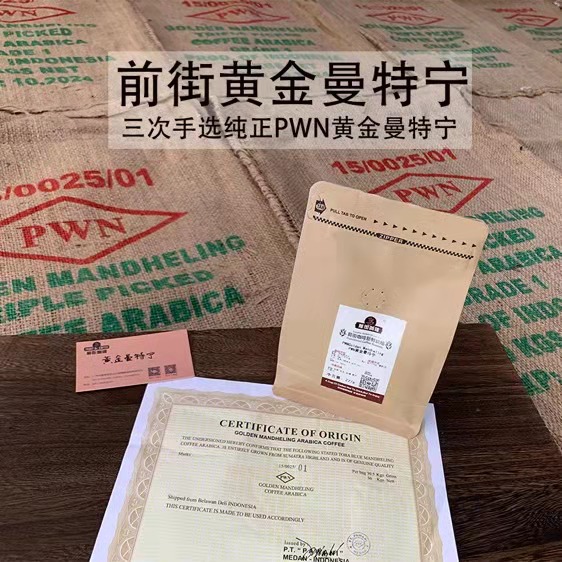
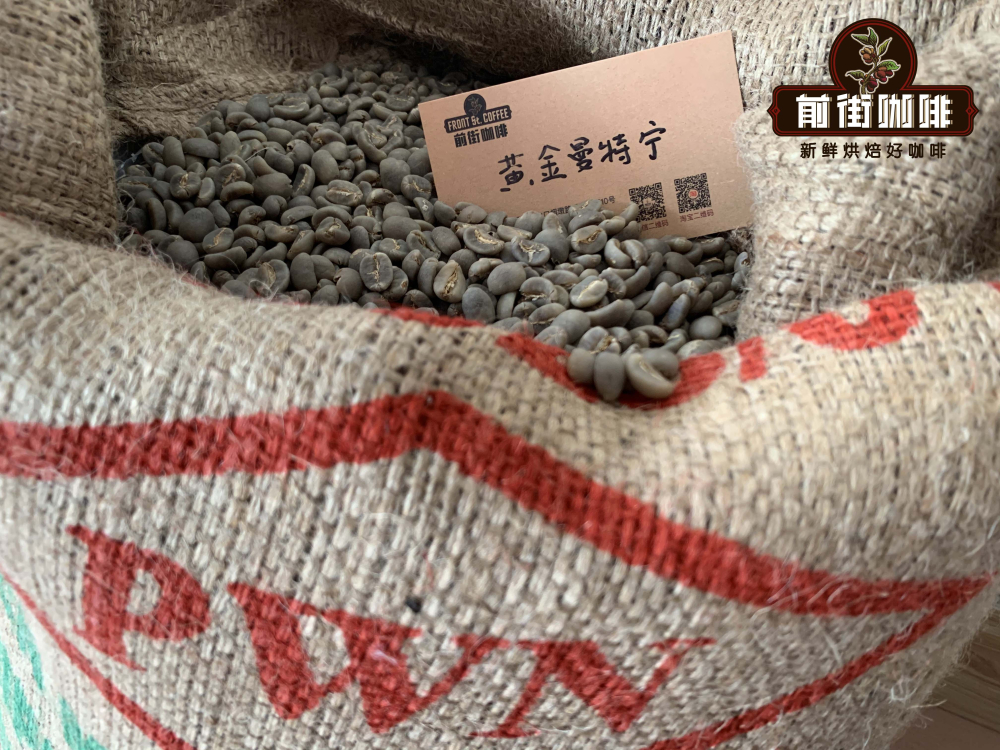
When it comes to Indonesian coffee, Mandheling is known for its rich and full-bodied taste, often accompanied by roasted nut, dark chocolate, and herbal aromas. Golden Mandheling is a standout among them. Its beans come from Indonesia’s Pawani company, which holds the exclusive “PWN” trademark. Therefore, only Mandheling purchased through Pawani can be rightfully called Golden Mandheling. Each sack of green beans is marked with a PWN label and comes with an official certificate.
Golden Mandheling is sourced from the Gayo Mountains in Aceh, selecting only beans larger than 18 mesh that have undergone three rounds of manual sorting, with a defect rate kept below 3%. Such strict selection standards ensure that these beans are not only plump in appearance but also exhibit high clarity and richness after brewing, making them ideal for those who enjoy bold flavors yet seek clear layers.
2. Yirgacheffe Red Cherry Coffee Beans
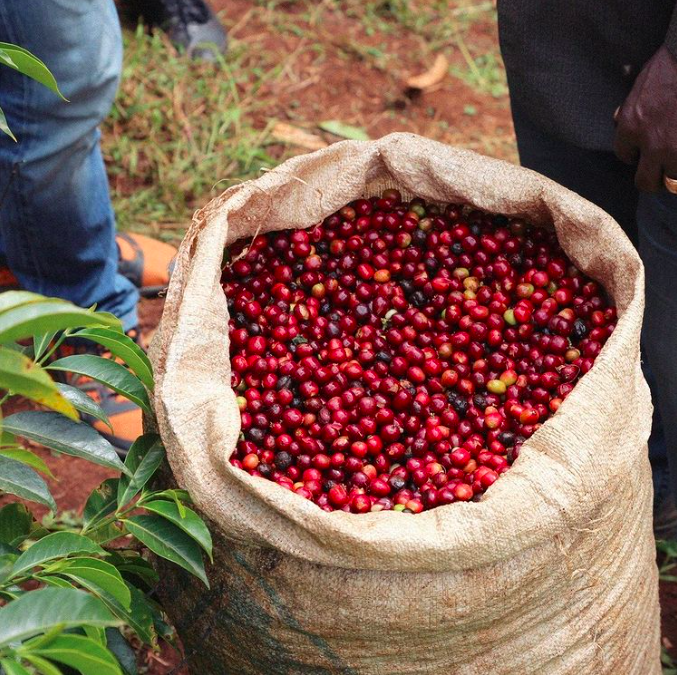
The Yirgacheffe Red Cherry project began in 2007, led by the major Dutch green bean trader Trabocca. Its goal is to gradually improve coffee quality by increasing purchase prices, selecting only fully ripe red cherries, and subsidizing farmers. The Yirgacheffe coffee under this program often features bright citrus acidity and berry sweetness, breaking many people’s stereotype of black coffee being bitter.
This coffee is a very friendly choice for beginners who hope for a fresh and layered flavor profile, especially suitable for drinking straight to enjoy its unique fruit acidity and aroma.
3. Costa Rica Musician Mozart Coffee Beans
Mozart from Costa Rica’s Musician series is renowned for its rich raisin aroma. These beans are processed using the raisin honey method, delivering a distinct osmanthus fragrance. Upon tasting, you can perceive sweet notes of grapes, berries, and pineapple, with a sweet yet non-cloying finish that’s very appealing.
4. 2013 Coffee Beans
These beans originate from a planting initiative launched in Yunnan in 2013. After years of experimentation—from site selection and variety to processing methods—all were independently developed by the team. Eventually, they chose the primitive forest area near the Myanmar border in Lincang at an altitude above 1000 meters, planting the Typica variety, and it wasn’t until 2020 that the first stable yield of coffee beans was produced.
These beans are processed using traditional sun-drying, presenting a brown sugar-like sweetness and a robust chocolate flavor, with a clean and clear taste that offers a whole new perspective on the Yunnan producing region.
II. Recommended Coffee Beans for Milk-Based Drinks, Espresso Machines, and Moka Pots
If you prefer adding milk or using a moka pot or espresso machine to brew espresso, it’s recommended to choose blends with high body and balanced flavors. These blends usually mix beans from Central and South America with those from Southeast Asia, showcasing caramel, cream, and nut aromas that pair smoothly with milk.
1. Classic Blend Coffee Beans
The design concept of this blend is to recreate the classic flavor of traditional espresso. It combines Brazilian Red Bourbon, Indonesian Mandheling, and Vietnamese Robusta. After extraction, it yields a rich crema, a solid body, and distinct aromas of caramel, dark chocolate, and cream. When milk is added, it presents soft flavors of butter cookies, cocoa, nuts, and white chocolate, making it highly suitable for making lattes or cappuccinos.
2. Dark Cocoa Blend Coffee Beans
This blend is known for its high cost-performance ratio and is a choice recommended by many baristas for beginners. The recipe is based on Brazilian beans, blended with Yunnan beans, offering an overall balanced flavor and an affordable price, at about 50 yuan per pound.
When milk is added, it delivers a smooth texture and aromas of caramel and nuts, making it a good option for daily pick-me-ups or first-time attempts at milk coffee.
The above content is compiled by CoffeeHunters, a coffee news website.


