







Introduction:As China’s most representative coffee-producing region, Yunnan’s small-bean coffee has garnered increasing international attention for its quality in recent years. This article delves into the development history, geographical advantages, and characteristics of Yunnan’s mainstream coffee varieties, focusing on the differences between the Typica and Catimor varieties. Taking a Typica grown at an altitude of 1300 meters in the Lincang region as an example, it provides detailed cupping flavor notes and professional pour-over parameters to help you grasp the unique charm and brewing techniques of Yunnan coffee.
Yunnan, known as the “Land of Colorful Clouds,” is the cradle of China’s earliest coffee cultivation. As early as 1892, French missionaries planted the first coffee seeds in Zhukula Village, Dali, to meet their own drinking needs, inadvertently opening the coffee chapter of this plateau. After more than a century of development, the region has now formed dozens of large-scale producing areas and, thanks to its unique terroir, has cultivated distinctive small-bean coffee varieties, becoming a rising focus in the global specialty coffee map.
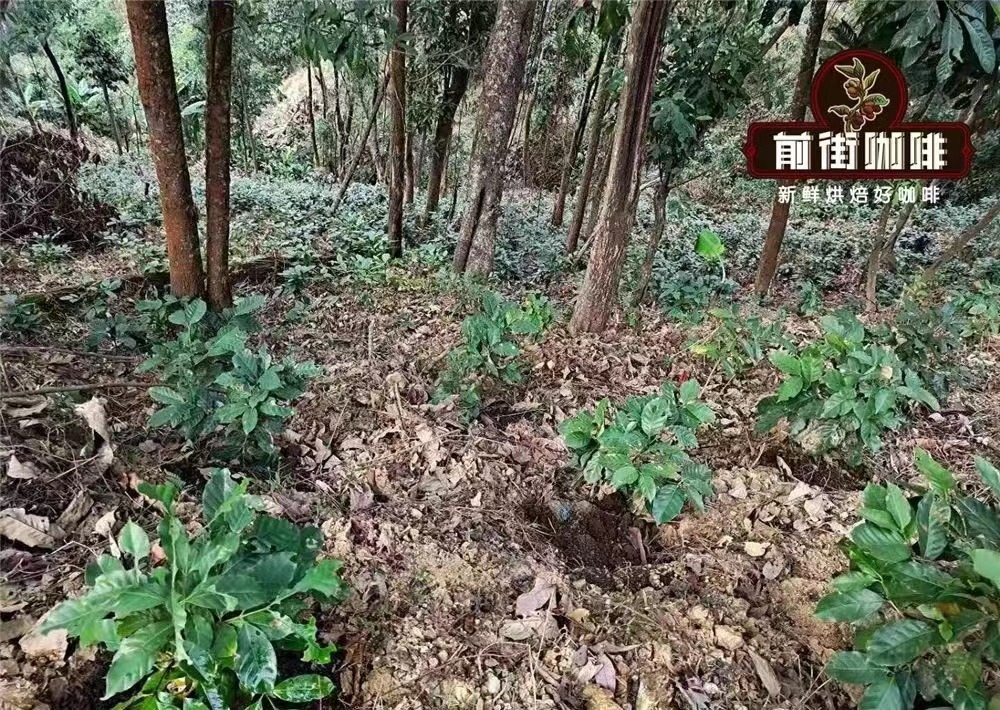
From a geographical perspective, the western and southern regions of Yunnan lie within the coffee-growing "golden belt" between 15 degrees north latitude and the Tropic of Cancer.The generally high altitude,with mountainous terrain exceeding 1000 meters, creates an ideal planting environment. The soil here is rich in organic matter, combined with abundant sunlight, monsoon rainfall, and significant diurnal temperature variations, allowing coffee cherries to accumulate rich sugars and complex aromas, ultimately presenting a unique flavor profile that balances body with bright fruit acidity.
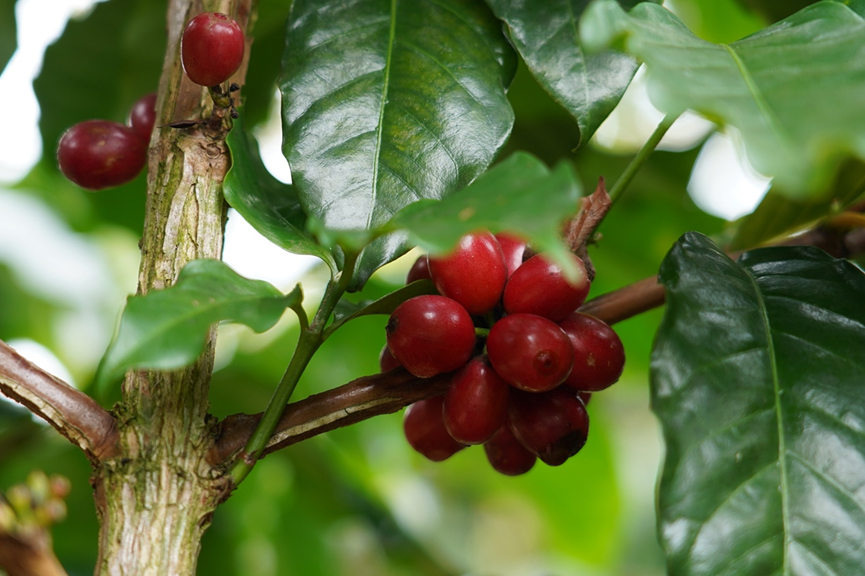
Yunnan’s main Arabica small-bean coffee is known for its slender beans, among whichTypica and Catimor are the two core varieties.Typica, as the oldest Arabica lineage, features upright-growing branches and copper-colored new shoots, yielding slender and pointed beans. This variety is noted for its elegant floral and fruity notes, often exhibiting refreshing flavors such as lemon and apricot, but it is naturally less resistant to leaf rust and has relatively low yields. In contrast, Catimor, developed in 1959 as a hybrid of Caturra and Timor, has become the mainstream for commercial cultivation due to its robust disease resistance genes, with flavor profiles leaning toward rich caramel sweetness and a full body.
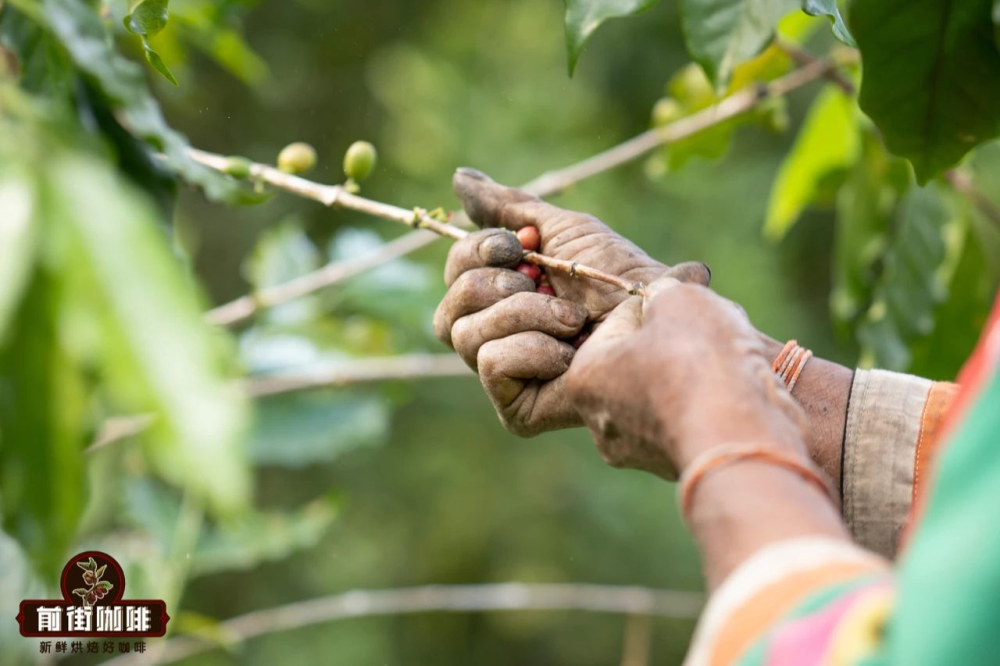
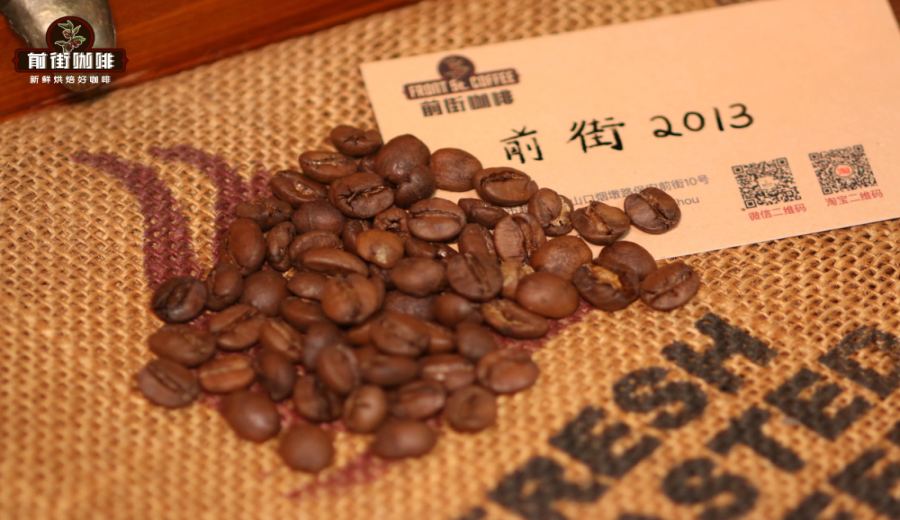
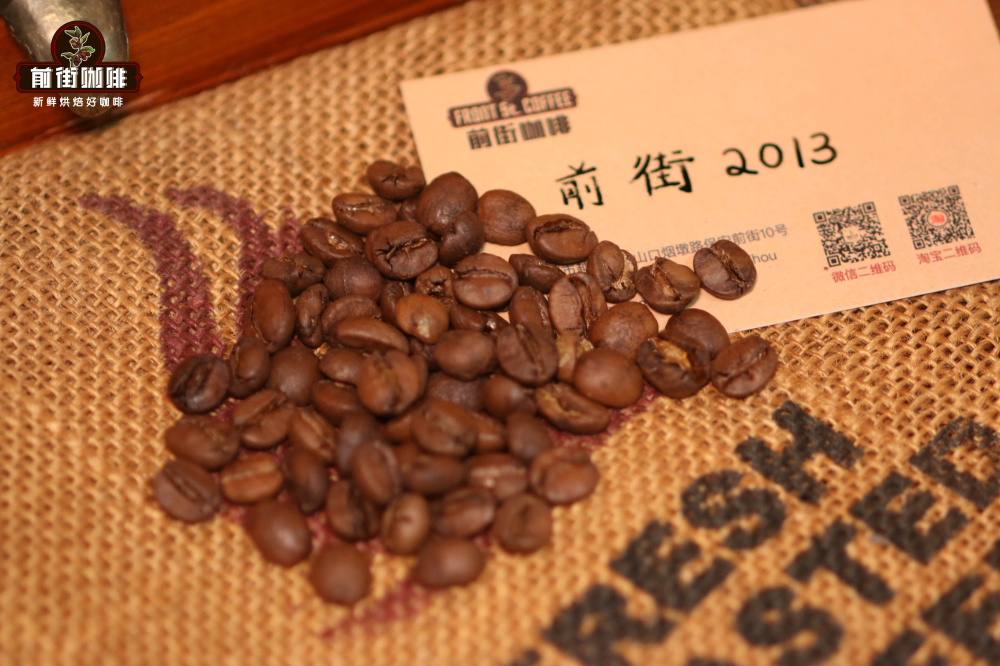
Take the well-known 2013 Typica from the Lincang region as an example. This batch was processed using the traditional natural (sun-dried) method: farmers carefully selected fully ripe, red coffee cherries, which were meticulously handpicked and then evenly spread on breathable iron-mesh drying beds for a natural drying process lasting 30 days. This process required close monitoring of weather changes and timely turning of the bean piles to ensure even gelatinization of the mucilage layer. Once the moisture content reached the target level, the green beans were transported to the Qingyuan roastery for hulling, fully preserving the sweet foundation imparted by sun-drying.
Cupping data shows that this Typica, produced at an altitude of 1300 meters, exhibits a rich and layered flavor profile:The dry fragrance carries strong toffee and roasted nut notes, while the cup presents a pronounced brown sugar sweetness. The mid-palate reveals distinct plum and black plum fruit acidity, and the finish lingers with milk chocolate and subtle spicy undertones.The overall flavor balance is excellent, making it suitable for coffee enthusiasts who enjoy a combination of fruity notes and sweetness.
For brewing this bean, it is recommended to usea Kono filter and a three-stage extraction method,with the following specific parameters: 15 grams of coffee, a 1:15 coffee-to-water ratio, and a grind size set to BG-6L (equivalent to 80% passing through a #20 sieve). The water temperature should be precisely controlled at 88°C. The brewing process is divided into three stages: the first stage involves pouring 30 grams of hot water for a 30-second bloom to awaken the coffee; once the filter shows noticeable expansion, pour water in small circles to reach 120 grams for the first pour; when the water level drops to about half the height of the filter, switch to a slightly larger stream and quickly pour up to a total of 225 grams, with the total extraction time strictly maintained at exactly 2 minutes. These parameters effectively highlight the Typica’s sugary sweetness and fruit acidity while avoiding over-extraction and potential bitterness.
Several key details should be noted during brewing: First, ensure even blooming during the initial stage to allow all coffee grounds to fully expand and release aroma; second, maintain a stable water flow during the second pour to avoid disrupting the coffee bed structure; and in the final stage, switching to a larger water flow can speed up filtration and reduce the risk of over-extraction. Additionally, it is recommended to use freshly roasted coffee beans (within the 7–21 day golden window post-roast) and to start brewing within 15 minutes of grinding to achieve the best flavor expression.
The above content is compiled by CoffeeHunters, a coffee news website.


