








Introduction:Want to easily brew espresso with captivating golden crema at home? The moka pot is a high cost-performance and practical choice. This article dives deep into the origins of the moka pot, differences in its internal structure, and compares the extraction effects of single-valve and double-valve models. It takes you from understanding the device's principles, brewing steps, to flavor adjustments, helping you fully master the techniques. It also offers practical advice and answers common questions so you can brew a richly flavored Italian-style coffee too.
Enjoying a cup of rich, crema-covered espresso at home doesn’t necessarily mean spending a fortune on an expensive semi-automatic coffee machine. The moka pot, a classic device originating from Italy in 1933, has become the go-to choice for many coffee enthusiasts thanks to its simple operation and great value. This article will guide you step-by-step—from the design principles of the moka pot, the differences between single and double valves, to the actual brewing process—on how to extract coffee with rich crema and bold flavors.
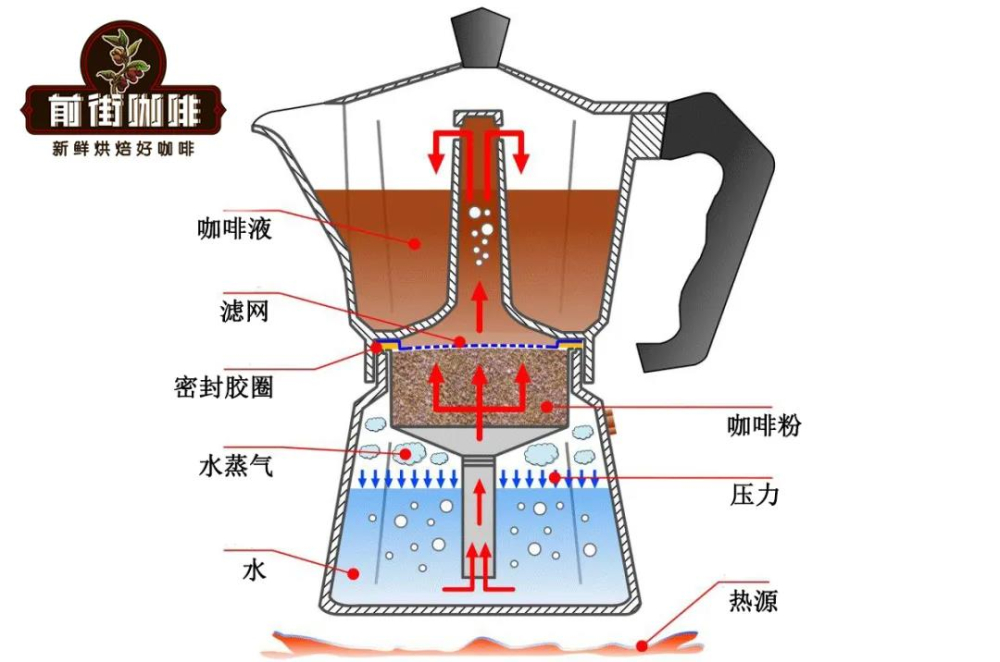
The moka pot, also known as Moka Pot, was invented in 1933 by the Italian Alfonso Bialetti. It is a device that uses steam pressure to extract coffee. It mainly consists of three parts: the lower chamber, the filter basket, and the upper chamber. The lower chamber holds water, the filter basket is filled with finely ground coffee, and the upper chamber collects the extracted coffee. When heated, the water in the lower chamber generates steam, creating a pressure of about 1.5–3.0 atmospheres that pushes the water upward through the coffee grounds, ultimately producing a strong coffee in the upper chamber.

Early moka pots were mostly made of aluminum, required open flames for heating, and could react with the acidity of coffee, affecting the flavor. With technological advancements, commonly used materials now include stainless steel and heat-resistant glass, and some models are even compatible with induction cooktops, greatly improving usability. The moka pot comes in various designs, is not only functional but often becomes a decorative highlight in the kitchen, especially favored by families in Europe and Latin America, while in the U.S., it’s often referred to as an “Italian percolator.”
Moka pots can be categorized into single-valve and double-valve types based on their design. In a single-valve moka pot, the coffee liquid flows out naturally from a small hole at the top of the hollow tube, whereas the double-valve model adds a pressure valve to the hollow tube base. This valve only opens when the steam pressure reaches a certain level, allowing more pressure to build up during the coffee extraction process, which enhances the richness of the crema layer and overall intensity. Generally, coffee brewed with a double-valve moka pot not only has higher concentration but its crema performance is also closer to that of traditional espresso machines.
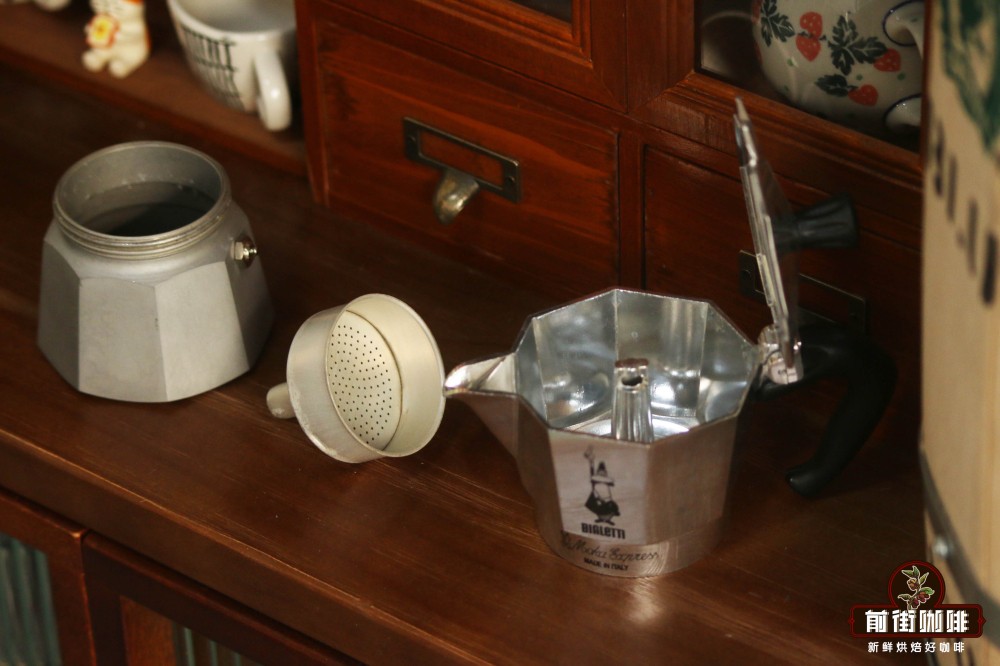
To successfully brew coffee with crema using a moka pot, it is recommended to use finely ground coffee similar to the grind size used for espresso machines. When preparing, first pour cold water into the lower chamber, making sure the water level does not exceed the safety valve; then fill the filter basket with an appropriate amount of coffee grounds, gently level it, and slightly tamp it—but avoid over-tamping as it may impede water flow. After tightly screwing the upper and lower chambers together, you can place it on the heat source.
During the initial heating, it is advised to use medium heat. When you hear a distinct hissing sound, it indicates that the water has begun turning into steam and is pushing through the coffee grounds—this is the time to switch to low heat. This helps control the extraction speed and temperature, preventing over-extraction. When the sound changes to a subtle “popping” noise, it means the coffee extraction is nearly complete, and it is recommended to turn off the heat immediately to avoid excessive extraction that could lead to increased bitterness.
The advantages of the moka pot lie in its compact size and simple operation—you can enjoy strong coffee at home without complex equipment, making it especially suitable for coffee lovers who enjoy traveling or camping. However, compared to professional semi-automatic coffee machines, the moka pot has lower extraction pressure, and its flavor layers and clarity may be slightly inferior, with differences in the persistence and fineness of the crema. But for everyday home use, it remains an excellent high-value option.
In terms of cleaning and maintenance, it is important to disassemble and clean the moka pot promptly after each use to prevent coffee residue from affecting the flavor next time. For newly purchased moka pots, it is recommended to boil water twice first to remove any potential industrial residues before starting to brew coffee. Additionally, never let the moka pot run dry—it can not only damage the pot but also pose safety risks.
Regarding coffee bean selection, medium-dark roasted blends often bring out richer crema and aroma. For example, combinations of Brazilian and Colombian beans commonly feature flavors such as chocolate, cream, nuts, and caramel, making them ideal for those seeking a bold taste. If you want to replicate classic café drinks at home, you can also add hot milk (adjusted to 60–65°C) to moka pot-brewed coffee to make a delicious latte; or add ice and sweetened condensed milk to easily create Vietnamese-style iced coffee.
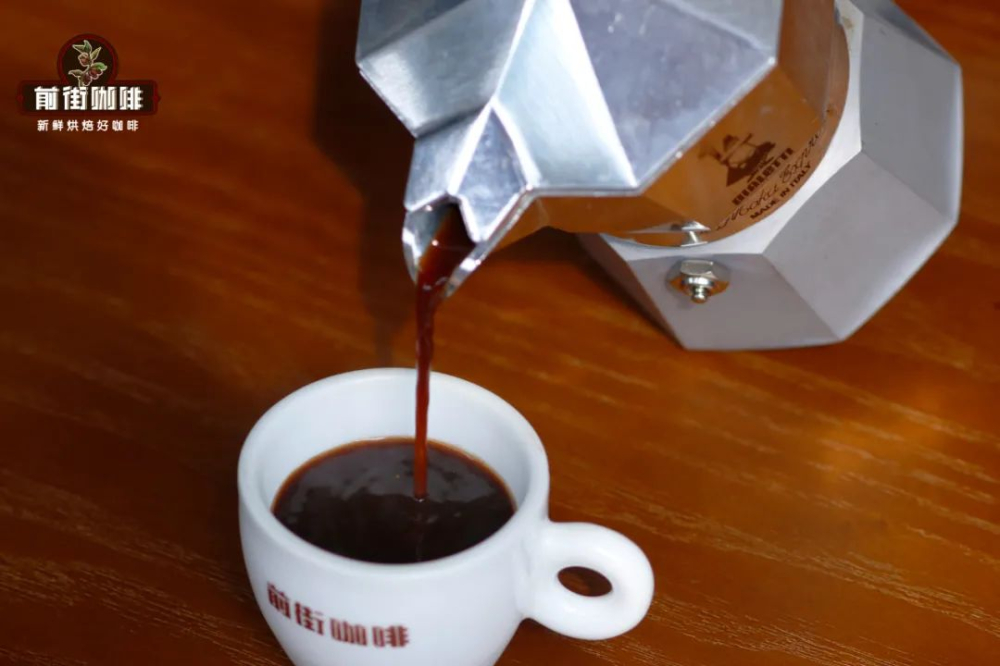
In summary, although the moka pot cannot fully replicate the ultimate extraction results of professional coffee machines, its ease of use and unique flavor allow every coffee enthusiast to easily enjoy a cup of espresso with golden crema at home. By mastering the correct grind size, coffee-to-water ratio, and heating rhythm, you can use this classic device to brew a daily coffee experience full of Italian charm.
The above content is compiled by CoffeeHunters, a coffee news website.


