







Introduction:From Central and South America to the highlands of Africa, each coffee-growing region boasts unique terroir and processing methods. This article delves into the characteristics of the world’s ten most renowned coffee regions, including classic bean varieties from Colombia, Ethiopia, and Panama. It details the flavor profiles, grading systems, harvesting seasons, and common processing methods of each region, helping you find the origin coffee that best suits your personal taste.
With an overwhelming array of coffee beans available, which regions produce the most worthwhile offerings? This article systematically introduces the world’s ten most representative specialty coffee regions—from the boldness of Colombian beans to the vibrant floral and fruity notes of Panamanian Geisha—analyzing the flavor characteristics, grading standards, processing techniques, and main harvesting periods of each area. Whether you’re a beginner exploring specialty coffee or a seasoned drinker seeking everyday beans, this guide will help you more accurately grasp the personality of different regions and discover your preferred flavor direction.
Colombian Supremo Coffee
Colombian coffee is known for its balanced acidity and sweetness, along with a full body. Many people’s impression of what “coffee should taste like” often stems from this region. Local grading is based on screen size, with beans reaching S17 (6.75mm) or above qualifying as the highest-grade Supremo. Colombia has two main harvest seasons each year: October to January, and April to June, with washed processing being the mainstream method.
Colombian coffee typically exhibits bright lemon acidity, medium-to-high body, and is often accompanied by dry Himalayan cedar notes and hazelnut aromas. Its sweetness is prominent, with flavors encompassing fruits, nuts, chocolate, and caramel, delivering an overall rich and layered profile. To experience typical Colombian flavors, try beans from the Huila or Cauca regions.
Costa Rican Tarrazú Coffee
Costa Rica’s high-altitude growing environment produces coffee beans with fully developed flavors. The country grades its coffee based on growing altitude, from highest to lowest: Strictly Hard Bean (SHB), Good Hard Bean (GHB), and Hard Bean (HB). The main harvesting period falls between November and March of the following year.
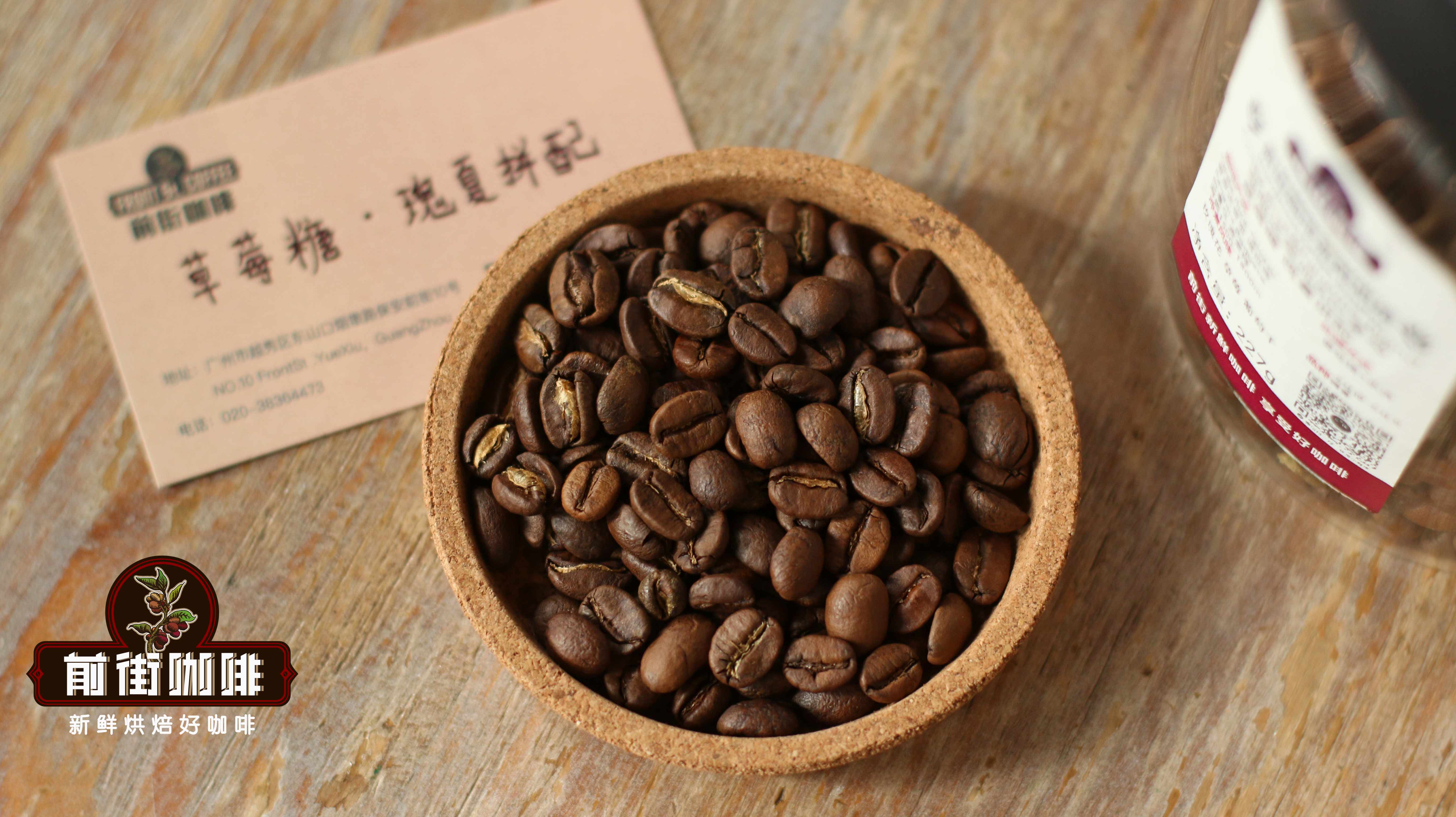
Costa Rica is famous for its honey processing method, where part of the pulp is left intact during fruit removal, allowing the beans to ferment in their parchment layer. This imparts sweetness and complexity. This technique often brings out brown sugar-like sweetness, paired with tropical fruit and citrus notes, along with vibrant acidity, creating a richly layered flavor profile. Honey-processed coffees usually have a sweet and long-lasting aftertaste. For a taste, look out for classic flavor profiles like Strawberry Sugar or Mozart.
Guatemalan Huehuetenango Coffee
Located in the high-altitude northwest of Guatemala, Huehuetenango boasts fertile volcanic soil. Coffee here is grown following traditional methods, producing beans with distinct flavor personalities. These coffees generally have good body, fruit-forward acidity, and a warm, chocolatey aroma.

Yemeni Mocha Coffee
The term “mocha” originates from a historical coffee export port. Small farms in Yemen, such as those in Haraz, Hajjah, and Matta Highlands, now produce high-quality coffee using modern Italian sorting equipment and unified processing procedures. Yemeni Mocha offers a transparent, wine-like flavor profile with balanced bitterness and sweetness, often featuring pronounced fruit notes and almost no off-flavors.
Yemen was once the center of global coffee trade, but recent years of civil war have drastically reduced production. Market supply constraints have driven up prices. Notably, when many people today mention “mocha,” they often think of the commercial chocolate-flavored beverage rather than the classic flavors of its place of origin.
Indonesian Sumatra Mandheling Coffee
Indonesia comprises many islands, each with microclimates and soil conditions that nurture unique coffee characteristics. Sumatran Mandheling, 100% Arabica, comes from the Lake Toba and Lintong regions, offering a rich, full-bodied, and smooth taste. Indonesia’s coffee has two main harvesting seasons: April to September and November to March of the following year. Processing is mainly done via sun-drying, though some beans like Mandheling and Golden Mandheling use wet hulling (washed).
Indonesian coffee is graded based on screen size and defect count. Bean size is categorized as Large or Small, while defect counts are divided into five grades from Garde 1 to Garde 5—the lower the number, the higher the quality.
Kenyan AA Coffee
Kenyan AA is considered one of the world’s top Arabica coffees, with a rich body, bright acidity, captivating aroma, and long aftertaste, often featuring berry and citrus notes. AA denotes the largest bean size and is the highest grade in Kenyan coffee classification.
Kenyan coffee is graded by bean size, shape, and hardness, from highest to lowest: AA or AA+, AB, PB, C, E, TT, T. The AA grade shows its true flavors best with a medium roast. These beans usually have vibrant acidity, a clean taste, outstanding sweetness, and a juice-like layered profile. Classic beans with tomato and floral notes are recommended.
Jamaican Blue Mountain Coffee
Though not a major coffee-producing nation, Jamaica’s Blue Mountain coffee is one of the global benchmarks for specialty coffee. Expensive, yes—but authentic Blue Mountain No. 1 offers an affordable option and carries Rainforest Alliance certification. This coffee has a smooth texture, coupled with intense chocolate and caramel aromas—an essential classic for coffee lovers.
The Jamaica Coffee Industry Board (CIB) stipulates that only beans grown at elevations above 2,200 feet in the Blue Mountains qualify to be called Blue Mountain. Grades are based on bean size: NO.1, NO.2, NO.3, and hand-selected PB. NO.1 beans must be 17 mesh or larger, with a defect rate below 3% and moisture content around 13%.
Ethiopian Yirgacheffe Coffee
Grown in the Yirgachaffe Valley of Ethiopia’s Sidamo region, Yirgacheffe is famed for its unique fruity acidity and floral notes. Cupping often reveals a creamy-smooth mouthfeel, paired with distinct citrus (like sour orange and lemon) tones, floral scents, and chocolatey sweetness—making it a favorite entry point for many newcomers to specialty coffee.
Yirgacheffe is graded into two categories based on processing method: washed (Category A), with grades Gr-1 and Gr-2 defined by SCAA—lower numbers indicate higher grade; and natural (Category B), divided into Gr-1, Gr-3, Gr-4, and Gr-5, where G1 natural offers intense fruity notes. Classic beans with citrus and lemon acidity are recommended.
Hawaiian Kona Coffee
Some say, “Blue Mountain is the king of coffee, Kona is the queen.” Hawaiian Kona coffee, shaped by its island terrain and volcanic soil, delivers a moderate profile—not overly intense—with balanced acidity and a mellow character, often featuring pleasant wine-like aromas. Kona coffee is graded into four levels: Extra Fancy, Fancy, Prime, and Gr. No.1.
Panamanian Geisha Coffee
When it comes to Geisha, one cannot overlook Panama’s Hacienda Esmeralda. In 2007, this coffee won “World’s Best Coffee” at the Specialty Coffee Association of America’s cupping competition and was auctioned at a record price of $130 per pound. Geisha boasts intense citrus, jasmine floral notes, and a diverse range of bright fruit acids, with a memorable flavor profile akin to floral fruit tea.
Hacienda Esmeralda processes Geisha and Catuai varieties separately. The Geisha portion is further divided into two grades: Red Label (Esmeralda Special) and Green Label (Private Collection), both showcasing intense floral and fruity notes, with a long-lasting, layered mouthfeel. Though Panama’s production is limited, the quality and market prestige of Geisha coffee have earned it a reputation as the “one bean equals three” specialty representative.
The above content is compiled by CoffeeHunters, a coffee news website.


