








Introduction:Espresso, as the cornerstone of modern coffee beverages, has a birth and evolution that embodies a century of technological innovation. This article starts with the first patent in 1884, delves into the definition of espresso, the science of crema, SCA standard parameters, and explains how to extract a balanced and flavorful shot through grind size, water temperature, and pressure control. It also provides practical tasting suggestions to help you fully grasp the essence of this coffee from theory to practice.
The history of espresso can be traced back to 1884, when Italian Angelo Moriondo patented a coffee machine that used a dual-boiler system. This machine generated steam through heating and then used approximately 1.5 bar of steam pressure to push hot water through a bed of coffee grounds, producing a highly concentrated coffee liquid. However, due to the technological limitations of the time, it was difficult to achieve consistent extraction from cup to cup.
In the early 20th century, Italian technician Luigi Bezzera made significant improvements to the design. He re-engineered the machine’s structure to rapidly push hot water through extremely finely ground coffee under high pressure, extracting espresso directly into the cup within just a few dozen seconds. Bezzera adjusted the water temperature to around 94°C, which helped deliver better flavor performance, and introduced a portafilter design to enhance filtration, resulting in a smoother mouthfeel. These innovations quickly popularized this fast-extracted espresso in Italy, making it a favorite among the public.
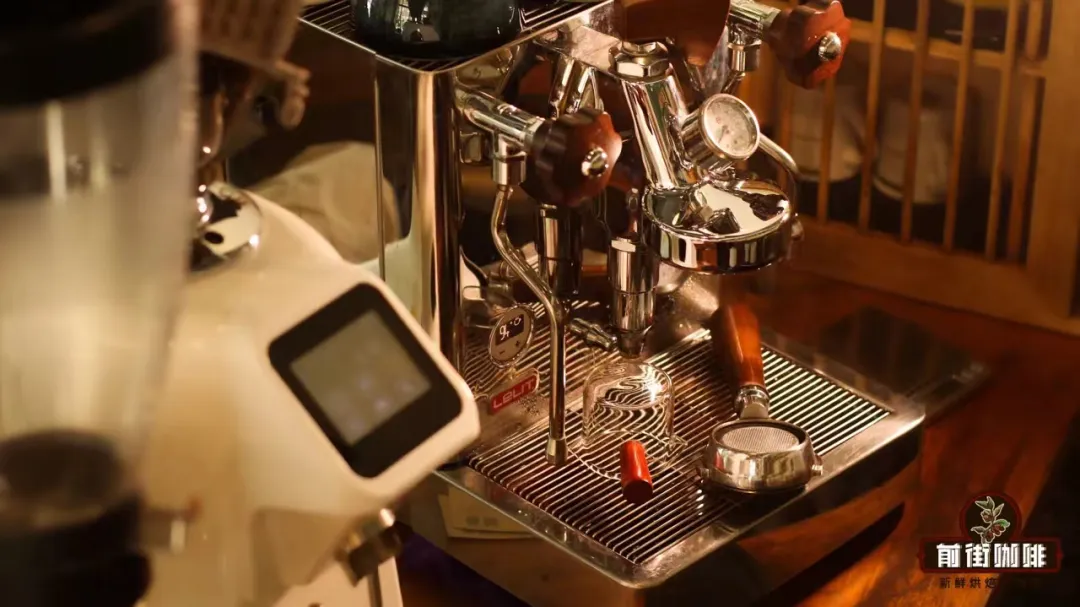
Subsequently, designer Desiderio Pavoni acquired Bezzera’s patent, and the two collaborated to create a more refined coffee machine equipped with a pressure valve and steam wand, which debuted at the Milan Expo in 1906. This brand is the now well-known "La Pavoni", and its design concept is already very close to the contemporary espresso extraction method.
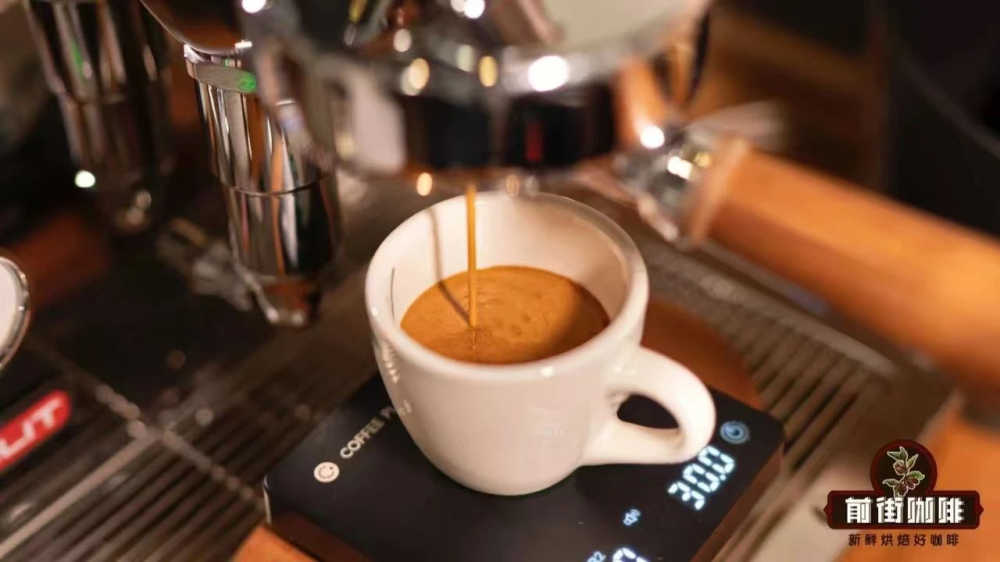
So what exactly is espresso? Simply put, it is a small cup of highly concentrated coffee liquid produced by pushing approximately 94°C hot water through an extremely fine grind of coffee grounds under high pressure of around 9 bar using a coffee machine. This brewing method creates the unique flavor and texture of espresso.
A properly extracted espresso should not be overly bitter. High-quality espresso should display a rich layering of flavors without any noticeable burnt bitterness. The crema on the surface should be fine and smooth, and the overall mouthfeel should be full-bodied yet clean, with a hint of sweetness in the aftertaste.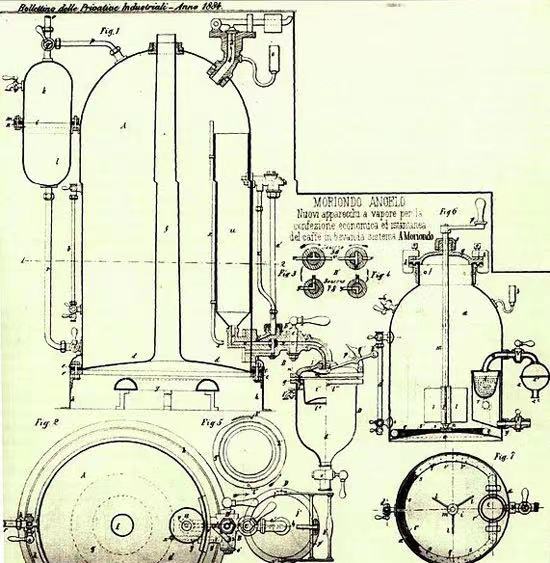
This golden crema is not purely fat but rather a foam formed when carbon dioxide—produced during the roasting of freshly roasted coffee beans—and coffee oils combine under high-pressure conditions and are forced out by water. Therefore, selecting freshly roasted coffee beans with a medium to dark roast or darker, and ensuring they are ground and brewed fresh, are key to forming ideal crema.
It should be noted that coffee beans continue to release carbon dioxide after roasting, but excessive gas can interfere with the release of soluble substances during extraction, leading to a rougher crema texture. Therefore, it is recommended to store coffee beans in a cool, dry place after purchase, allowing the beans to naturally release excess carbon dioxide through the one-way degassing valve in the packaging. Typically, it is advisable to start using the beans about 7 days after the roast date to achieve more stable extraction performance.
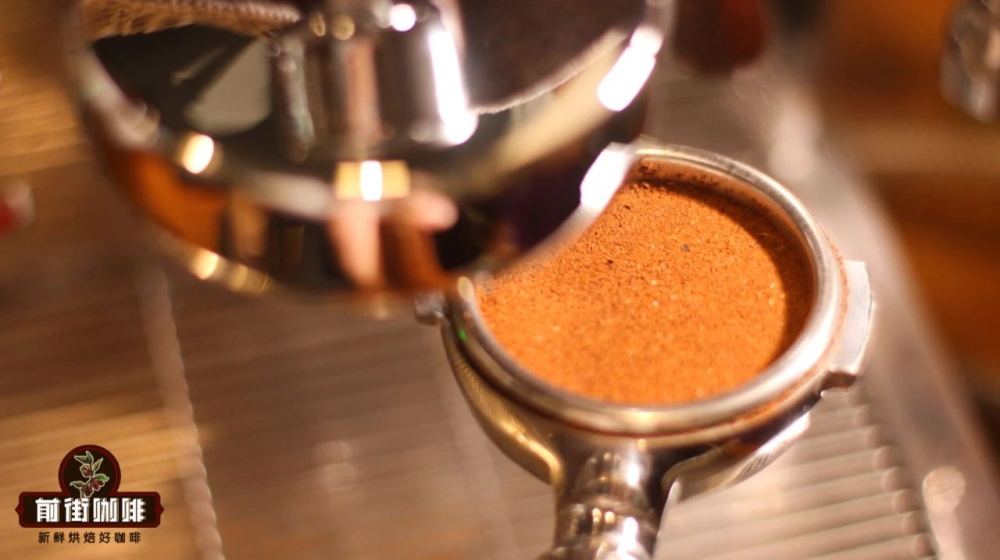
According to the Specialty Coffee Association (SCA) standards, an ideal shot of espresso should use 7–9 grams of coffee grounds (14–18 grams for a double), extracted under a pressure of 9–10 bar and a water temperature of 90–96°C, yielding 25–35 grams of coffee liquid within 20–30 seconds. However, actual parameters may vary depending on the specific coffee machine, grinder, and coffee bean characteristics, and it is recommended to adjust based on the final flavor outcome.
When tasting espresso, it is recommended to first take a sip of ice water to cleanse the palate and help focus the taste buds. Then, gently stir the coffee with a spoon to evenly mix the crema and liquid. You can taste in three sips: the first to perceive the primary flavors, the second to appreciate the body and texture, and the third to focus on the aftertaste and lingering sweetness, allowing for a fuller understanding of the layers and nuances of the espresso.
With improvements in coffee bean quality and roasting techniques, modern espresso is no longer confined to the impression of strong bitterness. It can showcase a diverse range of flavor profiles—from vanilla creaminess to fruity acidity, and even caramel hazelnut notes. A well-extracted espresso can deliver a rich and balanced experience to the palate. Master the extraction parameters and tasting techniques, and you too can uncover your own coffee flavor code.
The above content is compiled by CoffeeHunters, a coffee news website.


