








Introduction:Light roast coffee is often misunderstood as having only sharp acidity, but in fact, by choosing the right beans and mastering proper extraction techniques, it can also showcase captivating sweetness and rich floral and fruity aromas. This article delves into the relationship between roast level and sweetness, teaching you how to select pour over beans with high sugar content through flavor descriptions, and breaking down a four-pour technique with practical examples to help you brew specialty coffee with a full body and a sweet, clean aftertaste.
With the rise of specialty coffee culture, more and more coffee enthusiasts are drawn to light roast pour over beans with floral and fruity notes. However, many face a common challenge: how to make such distinctly acidic coffee exhibit a balanced acidity-sweetness or even a honey-like sweet finish? The key actually lies in the roast profile, bean variety characteristics, and brewing strategy.
The sweetness of coffee does not exist only in dark roasts—it begins to develop early in the roast process, and its development curve is closely related to acidity. Generally speaking,Medium roasttends to reach peak sweetness, while properly handled light roasts can also bring out enchanting sweetness through delicate extraction. Therefore, using flavor descriptions when selecting beans is an important basis for assessing sweetness potential.

When examining the flavor labels on coffee beans, if they are dominated by fruits such as raisins, peaches, mangoes, guavas, and sweet oranges—fruits that are slightly acidic yet mature—this usually indicates rich sweetness, possibly accompanied by fermentation aromas and fruit sugar notes. Such beans are ideal for brewers seeking a balance of fruity sweetness and acidity. We recommend trying beans like Sidamo, Strawberry Candy, Blackberry, and Mozart. These beans are not only great for pour over but also work well with moka pots, cold brew, or drip coffee machines, showcasing diverse flavors.
On the other hand, if the flavor description focuses on honey, cantaloupe, subtle floral notes, or pears, it suggests a softer and more elegant sweetness. These are suitable for drinkers who prefer a smoother mouthfeel. Beans like Emerald Green Label Geisha or Flower Dance can deliver a delicate and layered sweet aromatic experience.
To successfully brew a light roast pour over coffee with prominent sweetness, besides selecting the right beans, brewing parameters and techniques are key. Below, taking the popular Sidamo as an example, we’ll explain how to enhance its rich fruitiness and full body by adjusting the coffee-to-water ratio, water temperature, and multi-pour method.
Sidamo undergoes anaerobic natural processing, featuring complex fruity tones and subtle wine-like aromas. Its acidity is vibrant yet not harsh, making it an excellent base for showcasing sweetness. To amplify its flavor expression, it’s recommended to increase the coffee-to-water ratio, slightly adjust the water temperature, and use a four-pour technique to gradually release the sweetening compounds.

[Practical Parameters]
Coffee bean: Colombia Sidamo
Coffee dose: 15 grams
Coffee-to-water ratio: 1:16
Grind size: Fine grind (recommended EK43s grinder, setting around 9)
Filter: V60
Water temperature: 93°C (slightly higher than usual for light roasts, helps release sweetness)
Pouring method: Four pours (30g / 70g / 70g / 70g, total water 240g)
[Step-by-step Guide]
Step 1: Pour 30g of hot water for blooming, for about 30 seconds. This step ensures all coffee grounds absorb water evenly, initiating the release of aroma and initial acidic-sweet compounds.
Step 2: After 30 seconds, pour 70g of water at a slow rate of approximately 4ml per second, spiraling from the center outward clockwise. Aim for the water level to reach 3/5 of the filter, which helps maintain degassing and lift the coffee bed. Complete this around 55 seconds, with a cumulative water volume of 100g.
Step 3: When the liquid level is about to touch the coffee bed, start the second pour of 70g, maintaining the same flow rate and slightly expanding the spiral range to extract more mid-stage sweet components. Complete this in about 1 minute 15–20 seconds, bringing the total water to 170g. Pay attention to maintaining stable flow to avoid rapidly raising the water level.
Step 4: Once the coffee bed is exposed again, pour the final 70g. This pour should have a narrower spiral range than the second to prevent excessive dispersion of the coffee bed leading to uneven extraction. Aim to complete all pours around 1 minute 45 seconds, with a total water volume of 240g and overall brew time of about 2 minutes 12 seconds.
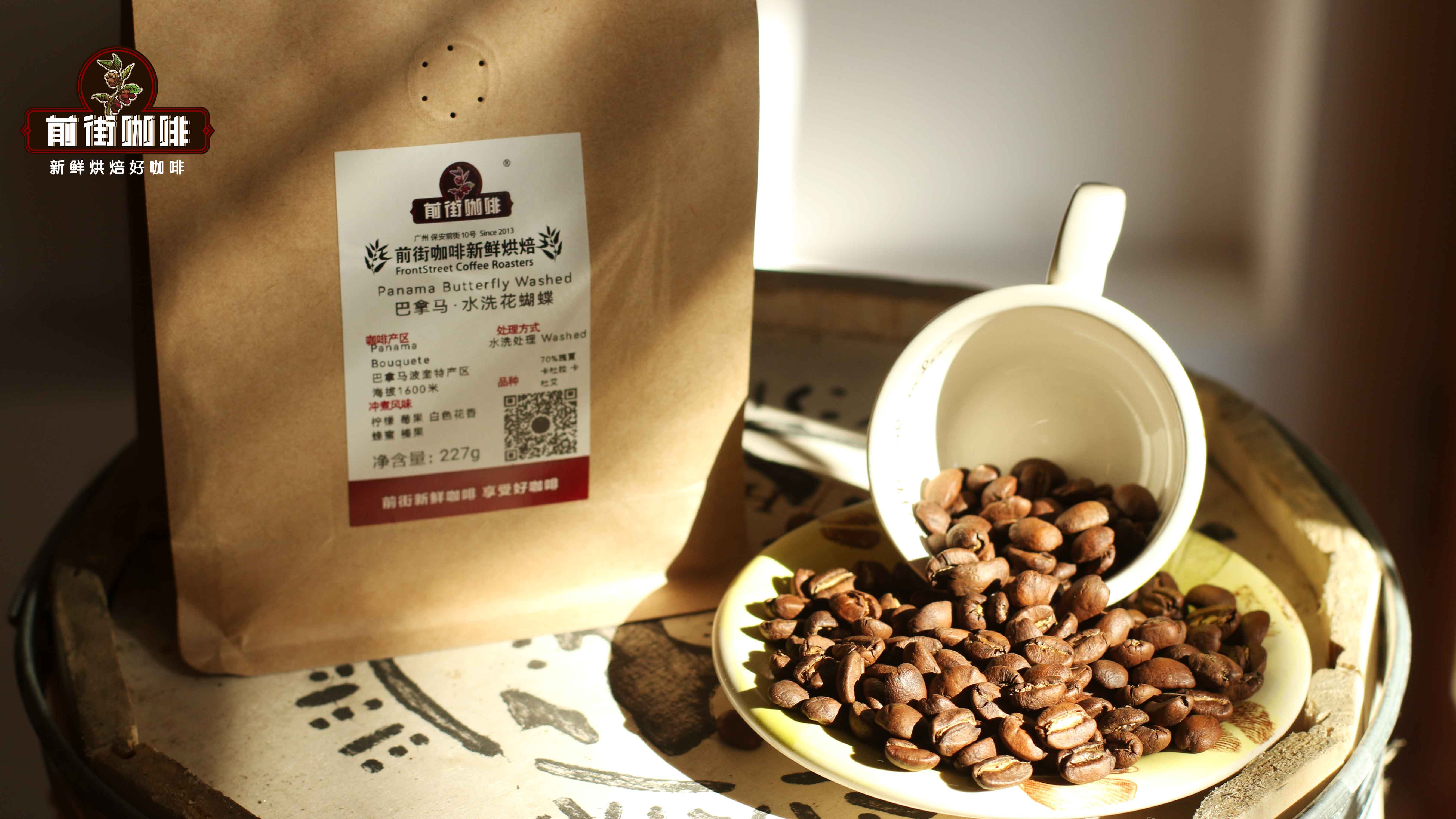
With these parameters and precise technique, the brewed Sidamo will present a distinct sweet profile, with flavor notes including passionfruit, grape, blueberry jam, and apricot from ripe fruits. Compared to traditional three-pour extraction, this method softens the acidity, enhances body thickness, and extends aftertaste sweetness. Even as the coffee cools, the sweetness remains rich, and the aftertaste carries delicate floral notes, leaving a memorable impression.
The above content is compiled by CoffeeHunters, a coffee news website.


