







Introduction:Did you know? There is actually a naturally low-caffeine coffee variety in nature, with caffeine content as low as just 0.5%! It’s the once-beloved by King Louis XV of France and literary giant Balzac, the Petit Bourbon (Bourbon Pointu), scientifically known as Coffea Laurina. This article will take you on a journey exploring the rise, near-extinction, and revival of this legendary coffee, and share hands-on pour over parameters and delicate flavors to help you deeply appreciate the charm of this rare bean.
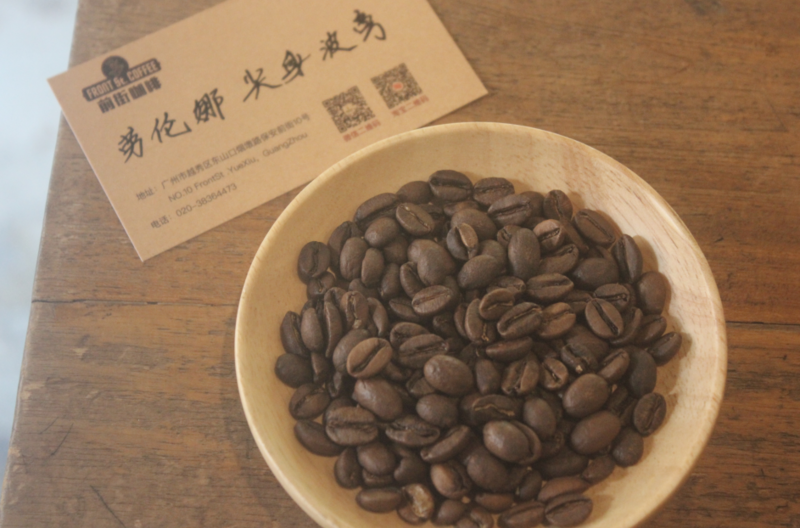
Among many low-caffeine coffees, most are produced by artificially removing caffeine. However, the wonders of nature have given rise to a variety that is naturally very low in caffeine — the Petit Bourbon (Bourbon Pointu), with the scientific name Coffea Laurina. This coffee contains only 0.5% caffeine, far lower than the 1.2% to 1.5% typically found in regular Arabica, yet it delivers an extraordinary flavor profile, making it an extremely precious presence in the coffee world.
The name “Petit Bourbon” comes from its slender bean shape with pointed ends, which is distinctly different from the common Bourbon variety. This genetic mutation is not man-made but rather the result of natural evolution. However, precisely because of this, its yield is extremely low, and it has weaker resistance to pests and diseases, especially being highly susceptible to leaf rust and coffee berry disease, making cultivation difficult and prices remain high.
Going back to the 18th century, Petit Bourbon was once a star in the European coffee market, highly favored by France’s King Louis XV and literary master Balzac. At that time, large-scale cultivation on Bourbon Island (now part of Réunion) led to its peak annual production of 4,000 metric tons in 1800. However, with hurricanes, invasive ants, and the spread of diseases, the planted area rapidly shrank. By 1942, the last batch of Petit Bourbon shipped back to France amounted to only 200 kilograms, and since then it has almost disappeared, even believed to be extinct.
A turning point came in 1999, when Japanese UCC coffee expert Yoshiaki Kawashima heard that low-caffeine coffee trees might still exist on the French island of Bourbon in the Seychelles and was determined to search for them. While visiting Africa for research, he took the opportunity to explore Bourbon Island. Although the local youth were unfamiliar with this history, he left his contact information. Two years later, in 2001, good news finally arrived — farmers discovered about thirty unidentified coffee trees in the wild.
After expert identification, these were indeed the long-lost Petit Bourbon coffee trees. Subsequently, Japanese and French scientists joined forces to launch a revitalization project. After years of effort, they finally harvested the first small batch of coffee beans in 2006, and officially launched them in 2007, mainly supplying the Japanese market. Due to extreme rarity, the price at the time was very high, reportedly four times that of top-grade Blue Mountain coffee.
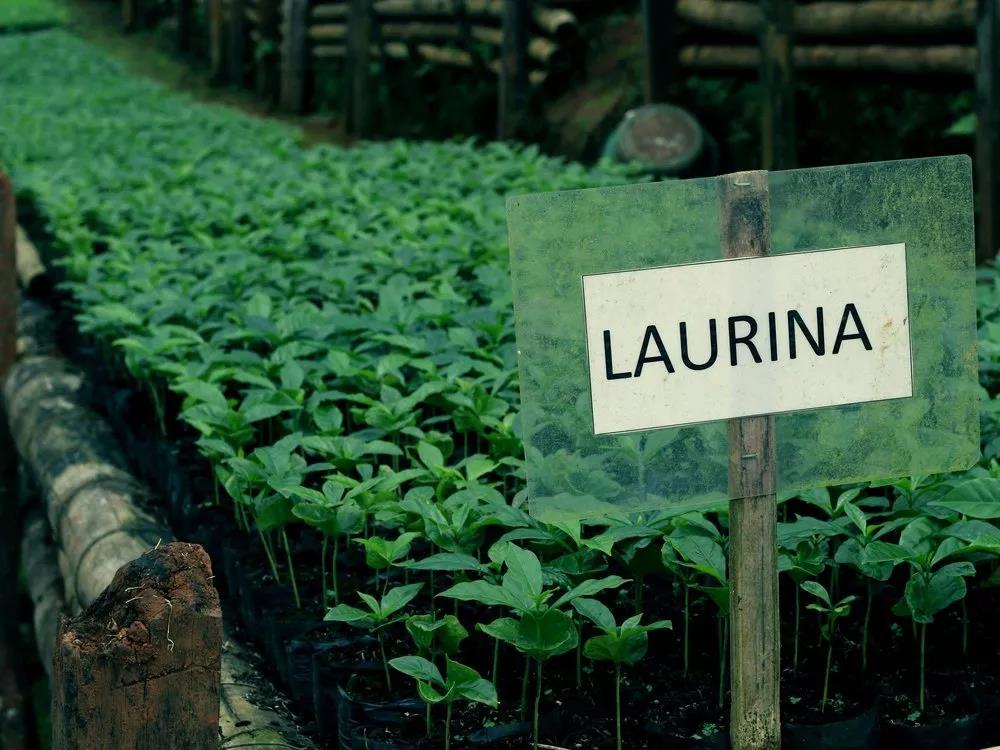
The appearance of the Petit Bourbon coffee tree also differs from common varieties. The tree resembles a small Christmas tree, with shorter branches and narrower leaves, and the red cherries mature relatively early. In addition to its low caffeine characteristic, it also has lower chlorogenic acid content — about 20% less than typical Arabica, which results in noticeably reduced bitterness after brewing and a smoother, more delicate flavor.
At the 2018 World Brewers Cup (WBrC), Swiss competitor Emi Fukahori achieved great success with a semi-carbonic maceration processed Petit Bourbon coffee from Brazil’s Daterra Estate in the Cerrado region, defeating several Panamanian Geishas to win an award. The beans she used were Laurina Bourbon Petit, with 50% less caffeine than regular Arabica. During the competition, it showcased complex aromas including red grapes, orange blossom, pineapple, rum, and green apple, proving the exceptional potential of this variety.
If you’re curious about this legendary coffee, why not try experiencing its unique flavors through a pour over. Here are the tested reference parameters:
Coffee Beans: Laurina Petit Bourbon (sun-dried)
Coffee Dose: 15 grams
Filter: Hario V60
Water Temperature: 90°C
Grind Size: Medium-fine
Coffee-to-Water Ratio: 1:15
Pour Over Method: Use a staged extraction method. First, pour 30 grams of water for blooming, around 30 seconds, and stop when the surface of the coffee bed changes from wet to dry. Then pour with a small stream of water, reaching 125 grams in the center, and continue pouring until 225 grams before stopping, with a total extraction time of about 2 minutes.
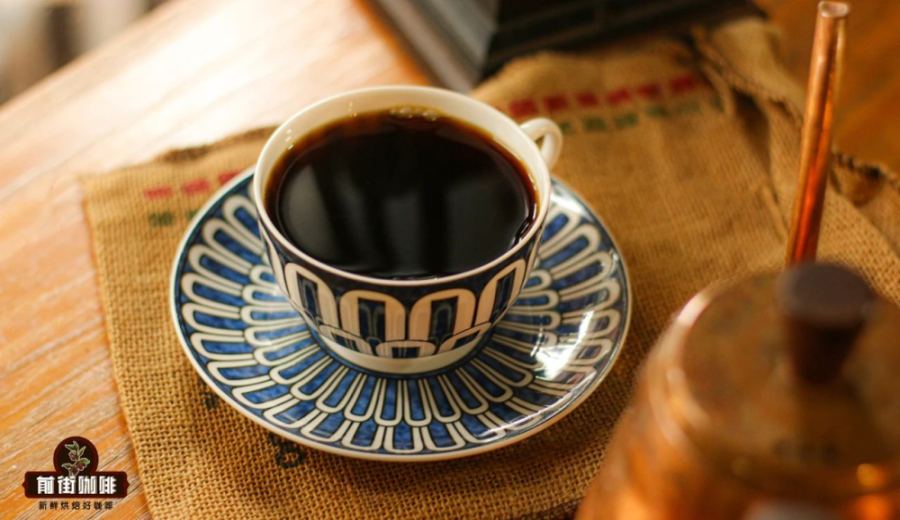
The brewed Laurina Petit Bourbon offers a dry aroma with fermented notes, subtle spices, and nuttiness, accompanied by the freshness of tropical fruits. The wet aroma shows clear floral notes. Upon tasting, the flavor is smooth and round, with distinct layers of red fruit, plum, and pine nuts, and a long-lasting sugarcane-like sweetness in the aftertaste. The overall profile is delicate and richly layered.
The above content is compiled by CoffeeHunters, a coffee news website.


