







Introduction:Espresso is the soul base of many specialty coffee drinks. In recent years, Single Origin Espresso (SOE) has risen in popularity—so what’s the real difference between SOE and traditional blended espresso? This article delves into the core differences between the two in terms of bean variety, roast profile, and extraction parameters. It explores why SOE has become so popular, breaks down the brewing steps and flavor profiles with practical examples, and provides key tips and bean selection guidance for both beginners and coffee enthusiasts.
In the world of coffee beverages, espresso plays a pivotal role, with its intense flavor often setting the tone for the entire drink. In recent years, Single Origin Espresso (SOE) has gradually emerged, presenting a striking contrast to the familiar blended espresso. From the origin of the beans and the degree of roast, to the final extraction parameters and flavor presentation, the two show significant differences. This article will start from basic definitions, gradually compare the characteristics of SOE and blended espresso, and analyze the reasons behind the growing popularity of SOE.
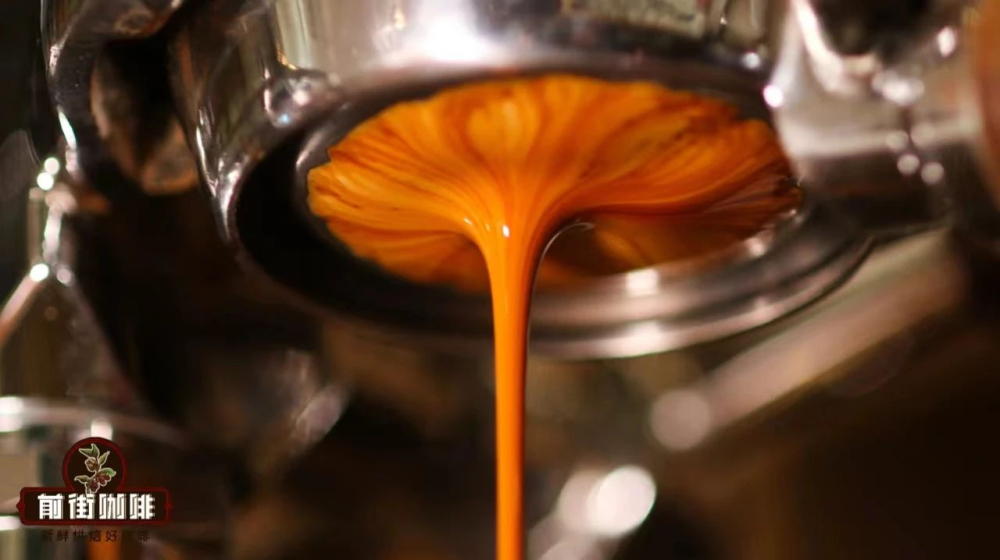
The principle behind making espresso is extracting a highly concentrated coffee liquid under high pressure in a short period of time. This brewing method, originating from Italy, has now become a common language among coffee lovers worldwide. However, you may not know that most espresso served in coffee shops is typically made using blends—coffee beans from different regions mixed in certain proportions, roasted to medium-dark levels to deliver a rich and balanced flavor. In contrast, SOE takes the opposite approach by using beans from only a single origin, highlighting the unique character brought by the specific terroir.
The full name of SOE is Single Origin Espresso, which means “espresso made from a single origin.” When brewing this type of coffee, beans from the same region—or even the same estate—are used exclusively. In contrast, an Espresso Blend combines beans from multiple origins, aiming to complement each other’s characteristics to create a more balanced and stable flavor profile. Both use extremely fine-ground coffee, extracted under high pressure (around 9–10 bar) and high temperature (above 90°C), at a 1:2 coffee-to-water ratio, within a short brewing time.
The advantage of blended espresso lies in its stable flavor and rich body, which is easier for beginners to handle. Many coffee shops opt for blends combining Brazilian, Indonesian, and Vietnamese beans. Such blends not only produce rich crema but also deliver a bold, sweet drinking experience. SOE, on the other hand, emphasizes the unique character of a single origin, often showcasing more pronounced acidity and sweetness. However, because it is usually roasted to light or medium levels, improper extraction can easily result in a thin body. Additionally, due to natural agricultural variations, its flavor may fluctuate from year to year with climate and terroir changes, making it less stable than blended beans.
Looking back at the development of SOE, it began to gain attention around 2007 and matured by around 2010. Many North American consumers started to request “seasonal single-origin espresso” at coffee shops. This trend also led people to reconsider: perhaps the recipe for espresso doesn’t need to be overly complex. With sufficiently high-quality beans, even a simple blend can deliver an astonishing taste experience.
So, why has SOE gained market favor? Modern consumers are increasingly open to “seasonal flavors,” meaning they’re no longer fixated on unchanging taste profiles and are more willing to explore the variations brought by different regions and harvest years. The popularity of SOE reflects this pursuit of “conceptual consistency”—selecting high-quality single-origin beans, and through precise roasting and extraction, showcasing their true flavor traits. Of course, this doesn’t mean blended beans are inferior. In fact, blends still hold an irreplaceable position, especially when it comes to delivering stability and balance.
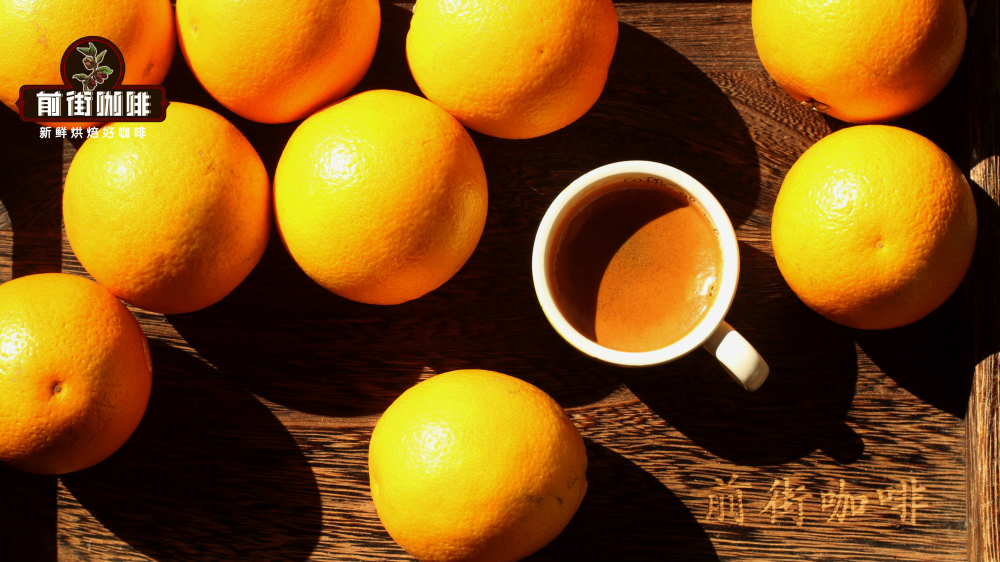
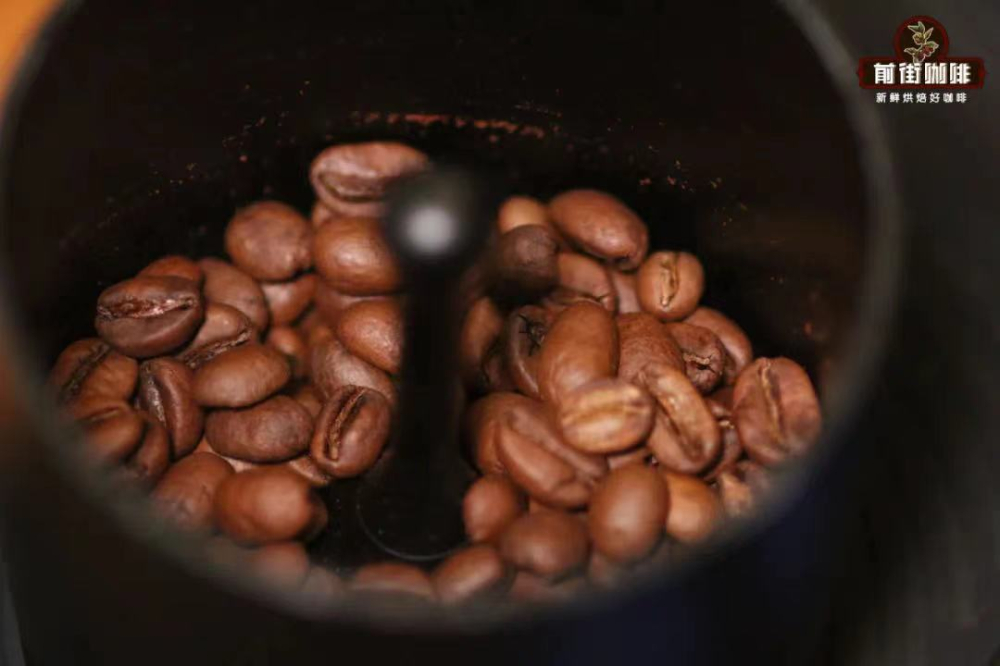
If you’d like to try making a cup of SOE espresso yourself, you can follow this hands-on guide. This demonstration uses washed beans from the Yirgacheffe region of Ethiopia. These beans, when brewed using a pour over method, exhibit distinct white floral notes, a tea-like quality, honey-like sweetness, and particularly impressive berry-like juiciness. The beans are grown at an altitude of about 2000 meters by a local cooperative, are of Ethiopian heirloom variety, and processed using the washed method, perfectly showcasing the delicate characteristics of highland coffee.
The recommended extraction parameters are as follows: use 20 grams of extremely fine-ground coffee, aiming to extract 40 grams of espresso, maintaining a 1:2 coffee-to-water ratio. The extraction time should be controlled between 25–30 seconds. In practice, slight adjustments can be made according to the performance of your espresso machine and grinder. Generally speaking, if the single extraction time is less than 20 seconds, the flavor may turn out thin; if it exceeds 35 seconds, over-extraction may lead to burnt or bitter notes. Therefore, keeping the extraction time between 26–32 seconds usually achieves a better balance.
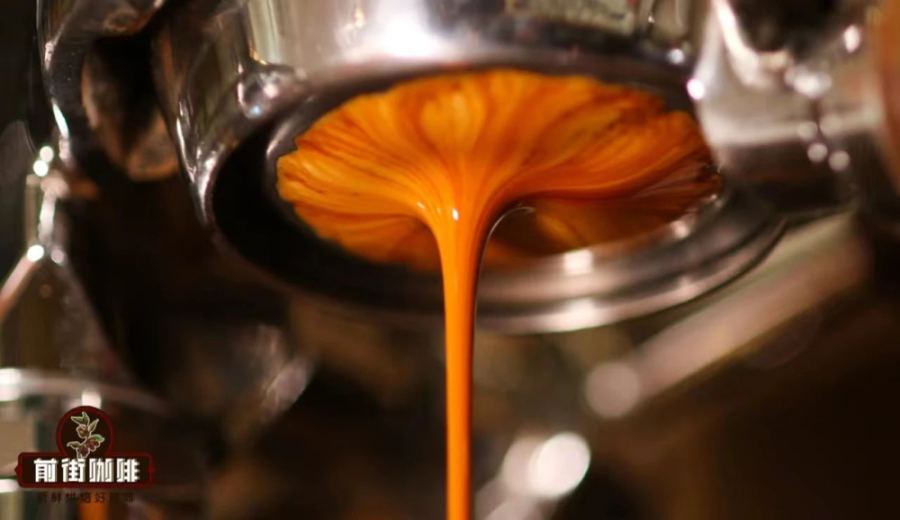
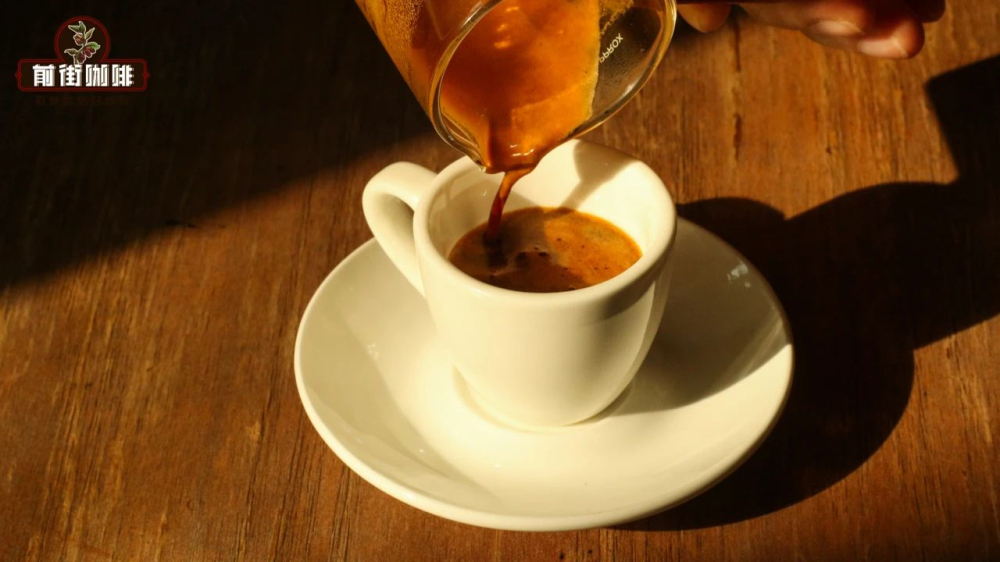
The specific steps include: first dry the portafilter basket, grind 20 grams of coffee and weigh it accurately, then use a distribution tool to evenly spread the grounds, followed by tamping vertically with a tamper to ensure a compact coffee puck. Before starting extraction, run water for 1–2 seconds to rinse the group head and remove any leftover coffee residue. Place the cup for collecting espresso on the scale and tare it, then gently lock the portafilter into the group head and start extraction. Observe the flow of the espresso; when the scale shows 40 grams and the time reaches about 30 seconds, you can stop the extraction.
The final flavor profile of this Guodingding SOE espresso is described as: medium acidity, medium-low bitterness, medium-low sweetness, with a thick mouthfeel, featuring distinct berry juice flavors and a tea-like quality, and a long-lasting, memorable aftertaste. Through this hands-on tutorial, you’ll gain a deeper understanding of the differences between SOE and blended espresso, and master key extraction techniques. Whether at home or in a café, you can enjoy a higher-quality espresso experience.
The above content is compiled by CoffeeHunters, a coffee news website.


