







Introduction:Mandheling coffee is renowned for its bold, full-bodied flavor and distinctive herbal and chocolatey notes, but many wonder if it’s really that bitter? The truth lies in the origin, processing method, and roast level. This article delves into the differences between the Sumatra Lintong region and PWN Golden Mandheling, explaining how the wet-hulling process shapes its unique profile, and provides practical pour over parameters to help you brew a classic Mandheling with layered complexity and a sweet, lingering finish.
Mandheling coffee originates from the Indonesian island of Sumatra and is one of Asia’s most iconic coffees, known for its rich, robust body and unique herbal and chocolate flavors. But many coffee enthusiasts have one question: Is Mandheling particularly bitter? The answer actually depends on the origin, processing method, and roast level. This article will start by exploring the differences between the Sumatra Lintong region and PWN Golden Mandheling, analyzing how wet-hulling affects the flavor, and offering useful pour over tips to help you get the best out of this classic coffee.
Sumatra is one of Indonesia’s major coffee-producing regions, alongside Java and Sulawesi. Among them, Lintong in northern Sumatra and Mandheling are two commonly mentioned origin names. Strictly speaking, Lintong refers to a small highland area southwest of Lake Toba, at an altitude of about 1100–1600 meters. Coffee trees are grown on clay plateaus, in environments rich in ferns, without shade or chemical fertilizers, and are almost entirely cultivated by smallholders. The coffee produced here mostly enters the market under the names Lintong or Mandheling.
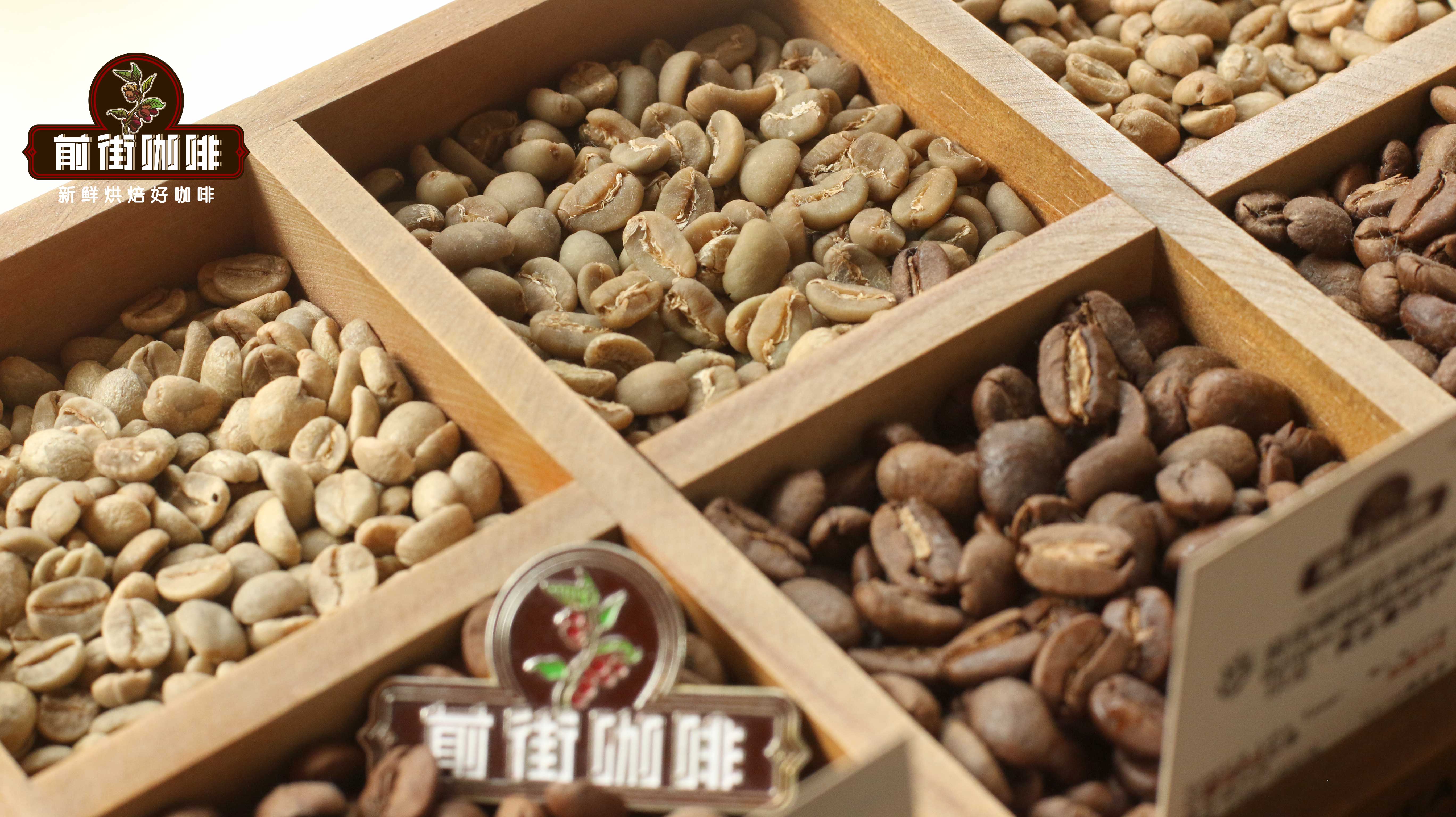
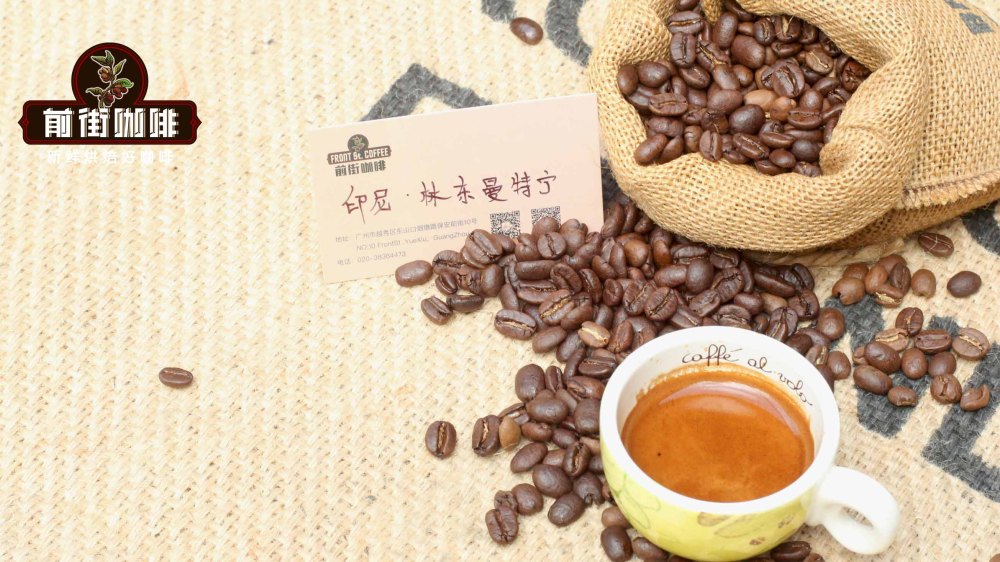
This Mandheling from Sumatra’s Lintong region is made from the Timtim and Ateng varieties, processed using the wet-hulling method. Its flavor profile includes toasted bread, nuts, caramel, herbs, and chocolate, with low acidity but a solid body. When dark roasted, it can exhibit intense bitterness and sweetness, along with a unique earthy aroma. Additionally, we also offer PWN Golden Mandheling from Gayo Mountain in Aceh. These beans are hand-sorted at least three times, with an extremely low defect rate, classified as G1 grade, and their flavor leans more toward spices, nuts, pine, and caramel.
The roast level has a significant impact on Mandheling’s flavor. Through pour over tests comparing light, medium-dark, and dark roasts, we found:
• Light roast (water temperature 90°C, brew ratio 1:15): Bright fruit acidity, pleasant and mouthwatering on entry, but with a relatively ordinary smoothness.
• Medium-dark roast (water temperature 88°C, brew ratio 1:15): Well-balanced, with both bitterness and sweetness, featuring prominent chocolate and licorice aromas.
• Dark roast (water temperature 86°C, brew ratio 1:15): Bitterness dominates, acidity nearly disappears, and poor heat control can easily lead to burnt notes.
It is recommended to let the coffee beans degas for 3–5 days before brewing to allow CO₂ to release naturally, ensuring a more stable extraction. The optimal tasting period is 30–35 days after roasting.
Sumatra’s wet-hulling process is key to shaping Mandheling’s unique flavor. The main harvest seasons are March–May and September–December each year. Farmers select only fully red cherries, remove the skin and pulp, then undergo a short fermentation (usually 12–36 hours), followed by sun drying to a moisture content of 30%–50%. Subsequently, a hulling machine removes the parchment layer, accelerating drying to 12%–13%, with a final moisture content of about 12%–15%. This process, which involves removing part of the protective layer midway, makes the beans more susceptible to mold but also contributes to unique earthy, spicy, and chocolatey tones.
While wet-hulling reduces drying time, it results in a higher proportion of defective beans, requiring multiple hand sorting. “Goat hoof” beans (split due to hulling pressure damage) are not uncommon in Sumatra’s producing regions but do not significantly affect overall flavor. Academia suggests that these mold-related effects may produce complex aromas such as decay, woody, caramel, or even floral notes, though further research is needed to confirm specifics.
Compared to washed and natural processes, wet-hulling carries higher risks and uses low-cost equipment but less water, making it suitable for Sumatra’s environment. Its flavor profile is often described as low-acidity, full-bodied, with earthy, smoky, and chocolatey notes—but these traits may also stem from the variety, processing defects, or uneven drying.
How to brew Mandheling? Here are practical pour over parameters, using PWN Golden Mandheling as an example:
Equipment:Hario V60
Water temperature:88°C
Grind size:Medium-coarse (70% passing through a #20 sieve)
Roast level:Medium-dark roast
Brew ratio:1:15
Blooming time:25 seconds
Pour over steps:
1. Use 15 grams of coffee beans, ground with a Hario Mini Mill Slim (flat burr) at setting 4.
2. First pour 30 grams of water, bloom for 25 seconds.
3. Pour up to 104 grams, then pause; wait until the water level drops halfway before continuing to pour up to 220 grams.
4. Do not pour the last 5 grams. Total brew time is about 2 minutes.
This method highlights the layered profile of Mandheling, with a lasting caramel sweetness in the aftertaste, and offers a clean and balanced cup.
The above content is compiled by CoffeeHunters, a coffee news website.


