







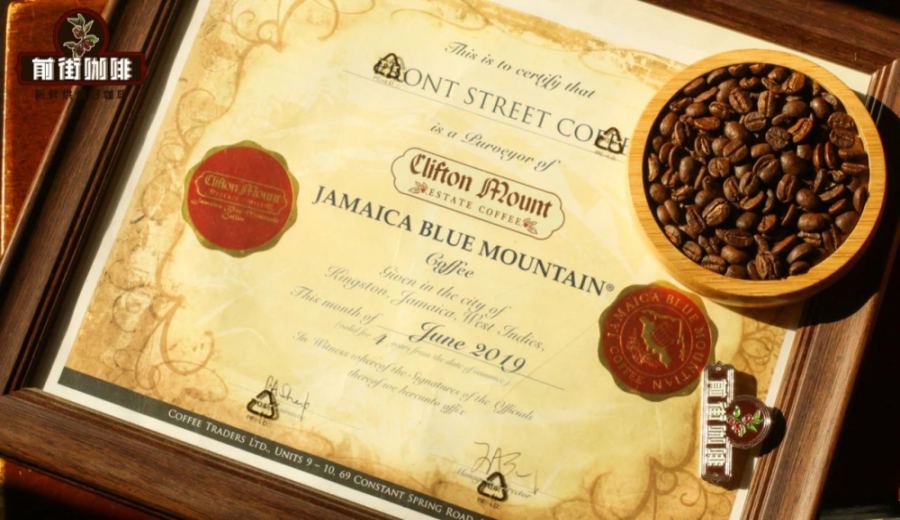
Introduction:As one of the world’s top specialty coffees, Jamaican Blue Mountain is highly esteemed for its unique flavor profile and meticulous processing. This article delves into the grading standards and washed processing methods of a certain brand’s Jamaican Blue Mountain NO.1, while also sharing practical pour over parameters using a Kono filter—such as dosage, water temperature, grind size, and pouring techniques. Additionally, it extends to brewing suggestions for Blue Mountain SOE espresso, Americano, and latte, helping you master the key techniques to recreate Blue Mountain’s layered and sweet-forward cup at home.
Jamaican Blue Mountain coffee is hailed as a leader in the specialty coffee world. Its unique microclimate from the Blue Mountains and strict cultivation and processing standards result in a rich, full-bodied flavor with remarkable complexity. Taking a certain brand’s imported Jamaican Blue Mountain NO.1 as an example, this article guides you through the complete process—from origin grading and processing methods to pour over and espresso extraction—offering insight into how precise parameter control can bring out the coffee’s characteristic bold sweetness and delicate acidity.
In terms of processing, the Jamaican Blue Mountain coffee used by a certain brand is exclusively washed. This method effectively removes pulp and impurities while preserving the purest flavor characteristics of the beans. The specific process involves first removing the skin and flesh, then fermenting the beans for 12 to 18 hours. Next, they are moved to flowing water tanks, where friction between the water and beans thoroughly removes any remaining mucilage until the bean surface is smooth and clean. This highly hygienic process also helps reduce off-flavors, allowing subsequent roasting and brewing to more accurately express the terroir of the Blue Mountain region.
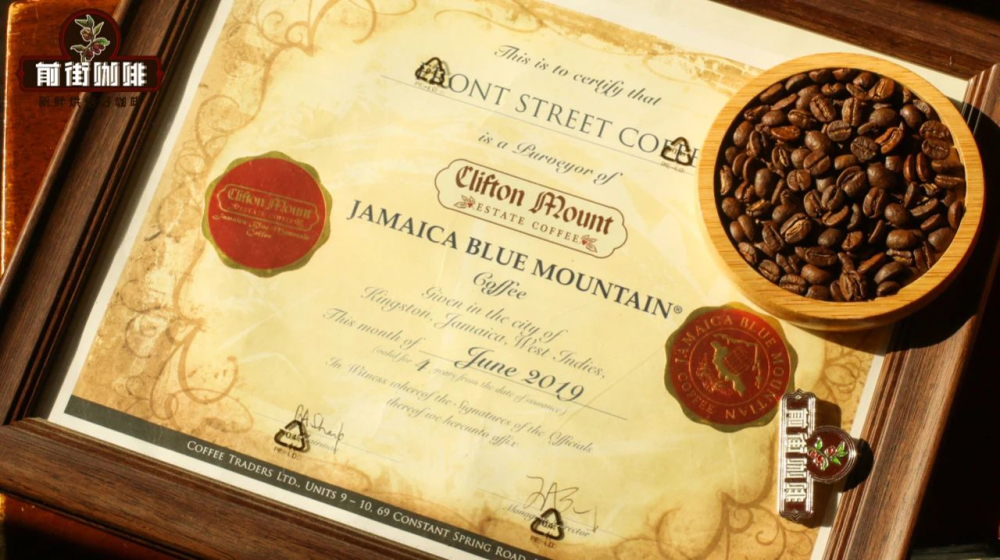
Jamaican Blue Mountain coffee is categorized into four grades based on growing altitude and quality: NO.1, NO.2, NO.3, and PB (peaberry), with NO.1 being the highest grade. To be classified as “Jamaican Blue Mountain coffee,” the beans must be grown at elevations above 666 meters in the Blue Mountain range. Those grown below 666 meters are called “Jamaican High Mountain Coffee,” while coffee from areas outside the Blue Mountains is collectively referred to as “Jamaican Coffee.” The Blue Mountain NO.1 selected by a certain brand not only meets the altitude criteria but also undergoes multiple rigorous screenings—including bean size of 17 mesh or larger, a defect rate below 3%, and a stable moisture content of around 13%. The variety is the classic Typica.
For hands-on brewing, using a Kono filter can fully showcase the richness and aromatic persistence of Blue Mountain coffee. Thanks to its unique structural design, this filter creates a siphon-like air pressure effect during pouring, allowing the coffee grounds to absorb water evenly in the initial stage—achieving an immersion-like extraction that enhances overall body and the release of flavor compounds. If you prefer a fuller-bodied Blue Mountain with a pronounced aftertaste, the Kono filter is an excellent choice.
It is recommended to use 15 grams of coffee grounds, with a water temperature set at 88°C and a grind size of approximately 75% passing through a Chinese standard No. 20 sieve (equivalent to a medium-fine grind, such as BG 6M). A 1:15 powder-to-water ratio balances richness and clarity. Specifically, start with a 30-gram bloom for 30 seconds, pouring gently over the coffee bed. After the first pour to 120 grams, pause until the water level drops to about one-third to one-half, then proceed with a second pour up to 225 grams. The total brew time should be kept around 2 minutes and 15 seconds. If time is up but liquid remains in the filter, consider discarding it to avoid over-extraction and flavor degradation.
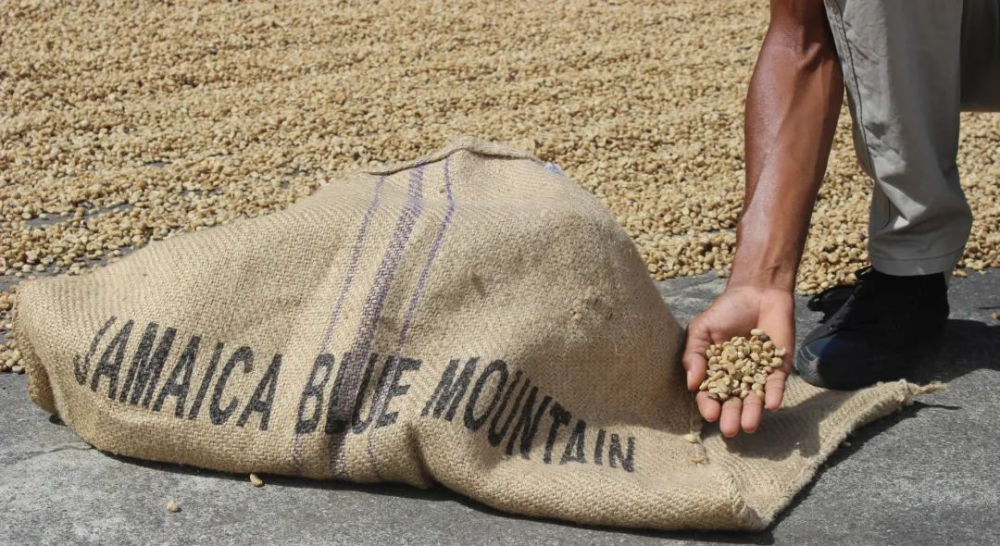
Beyond pour over, Blue Mountain NO.1 is also well-suited for making espresso, known as Blue Mountain SOE (Single Origin Espresso). During preparation, it’s advised to use a calibrated tamper to apply even pressure of about 25 kg/m² to ensure stable extraction. The grind size should be adjusted to #1.9, which is an extremely fine range, with a texture similar to fine table salt. For a single shot, use 13.5 grams of coffee, aiming for a 20-gram yield in about 27 seconds; for a double shot, use 20.5 grams to yield 40 grams within 26 seconds (maximum dose: 14g for single, 22g for double). Freshly roasted Blue Mountain beans have medium crema with a beautiful golden hue. In terms of flavor, the cup opens with soft fruity acidity, followed by a gradual emergence of caramel sweetness, and finishes with a mellow aftertaste of chocolate and brown sugar.
Adding Blue Mountain SOE espresso to hot water yields a Blue Mountain-style Americano. This method enhances the sweetness, softens the acidity, and results in a refreshing, clean cup with a more pronounced dark chocolate flavor—ideal for those who enjoy a mellow and aromatic drink.
To further experience the silky texture and milk harmony of Blue Mountain, it’s recommended to use Vitasoy fresh milk heated to about 60°C. After steaming to achieve fine and even microfoam, combine it with Blue Mountain espresso to make a Blue Mountain latte. This combination often features hazelnut-toned sweetness, with distinct layers of creamy chocolate aroma that don’t overpower the milk’s natural sweetness. The overall profile is smooth and layered—a beloved classic way to enjoy Blue Mountain among many coffee enthusiasts.
The above content is compiled by CoffeeHunters, a coffee news website.


