







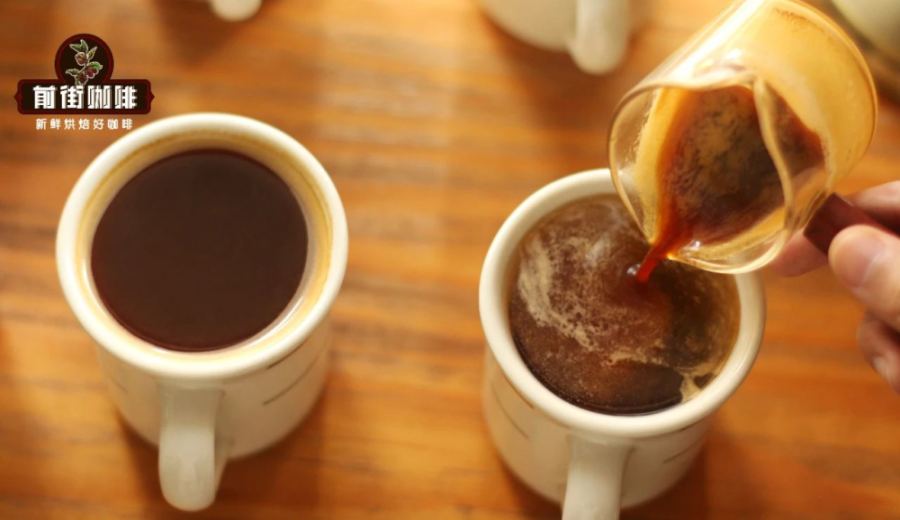
Introduction:Long Black and Americano may look similar in appearance, but they differ significantly in preparation order, crema retention, and flavor profile. This article takes an in-depth look at the differences between the two—from the method of adding espresso and water, their proportions, to how crema affects the taste—to help you grasp the unique charm of Long Black. We also recommend a classic dark roast blend that's perfect for making both Long Black and Americano, delivering a rich and layered coffee experience.
Long Black originated in Australia. Although it looks similar to an Americano, it differs greatly in brewing method and flavor presentation. Many coffee enthusiasts often confuse the two, mainly because both are based on espresso diluted with hot water. However, what sets Long Black apart is the order in which espresso and water are added, which directly impacts the preservation of the crema and consequently alters the overall taste and aroma.
Generally speaking, an Americano is made by first extracting a shot of espresso and then diluting it with hot water, typically in a ratio of 1:5 to 1:8. This method stems from Americans' preference for lighter drip coffee—so even when switching to an espresso base, they still prefer a lower concentration. In contrast, Long Black involves pouring about 100–120 ml of hot water into the cup first, then extracting two shots of espresso (about 40 grams) directly onto the water surface, achieving a ratio of roughly 1:3 of espresso to water. This approach preserves more of the crema on the liquid surface, resulting in a richer and more intense flavor.
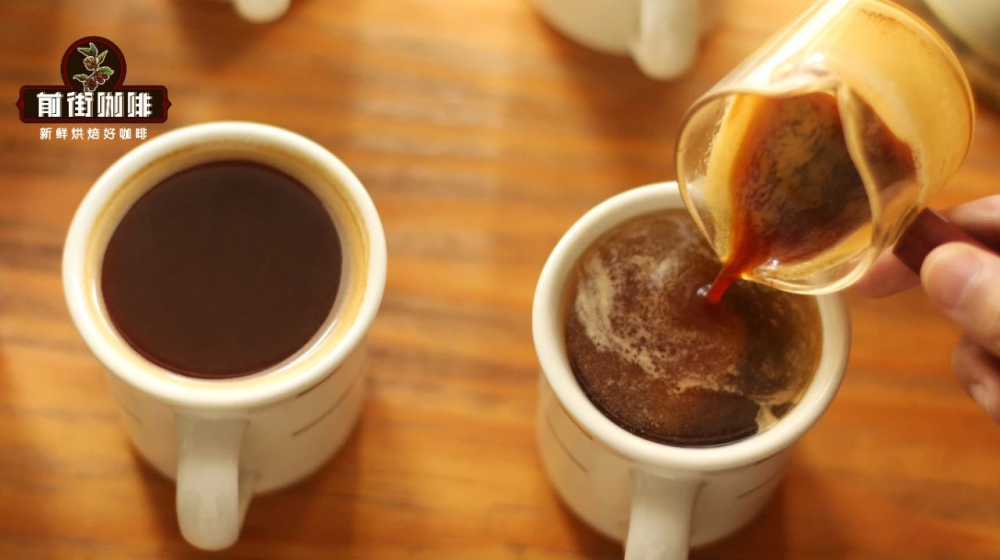
This water-first-then-espresso order not only distinguishes Long Black from Americano, but more importantly helps protect the crema from being disrupted. When you pour espresso directly into hot water, the flow can easily break up the surface crema. But if you add hot water first and then slowly pour the espresso, the crema remains intact and floats on top of the coffee, offering a more complex flavor and aromatic profile. This is one of the reasons why Long Black tastes fuller and more layered than a typical Americano.
Additionally, Long Black usually has a smaller serving size, focusing more on concentrated flavor expression rather than the diluted lightness often sought in Americanos. For those who enjoy strong coffee but don’t want to drink straight espresso, Long Black offers an excellent balance—delivering the bold flavors of espresso while making it more palatable through dilution, all while retaining the rich texture brought by the crema.
If you'd like to brew something similar to Long Black at home, we recommend choosing a dark roast blend that provides rich crema and stable extraction performance. A classic dark roast recipe composed of beans from Brazil, Indonesia, and Vietnam is a great option. Brazilian beans bring a mellow chocolate and nutty character, Indonesian beans add deep spices and earthy notes, while Vietnamese beans contribute sweetness and balance. This combination, after being dark roasted, can easily produce fine and velvety crema—whether you're making Long Black or Americano, it will showcase a rich and multi-layered flavor.
In practice, making Long Black is very simple: start by pouring about 100–120 ml of hot water into the cup, with the temperature ideally between 90–96°C. Then use an espresso machine to extract two shots of espresso and steadily pour them onto the hot water, allowing the crema to naturally rise to the surface. This not only preserves the integrity of the crema but also lets each sip deliver the rich aroma and bold flavor of the coffee.

In summary, the difference between Long Black and Americano lies not only in the brewing sequence but also in the retention of crema and the overall flavor presentation. If you enjoy a bold coffee experience without sacrificing smoothness and complexity, give Long Black a try—and pair it with a well-suited dark roast blend to explore a whole new coffee world.
The above content is compiled by CoffeeHunters, a coffee news website.


