







Introduction:Coffee roasting is not just about heating beans, but rather a complex series of chemical reactions. Among them, the Maillard reaction and caramelization are key to determining the flavor, aroma, and color of coffee. This article breaks down in an easy-to-understand way how these two major reactions play a role during roasting, taking you through the transformation from green beans to roasted beans, and how they affect the final coffee experience. By the end of this article, you’ll better appreciate the science behind a great cup of coffee.
Coffee roasting is a journey full of chemical changes. From green beans to the aromatic drink in your cup, every step involves scientific principles. In this process, the Maillard reaction and caramelization play pivotal roles—not only influencing the color of the coffee, but directly shaping its unique flavor and aroma profile.
The Maillard reaction, first proposed by French chemist L.C. Maillard, is a non-enzymatic browning reaction that occurs between reducing sugars and amino acids or proteins. When coffee beans are heated to specific temperatures, these components undergo a series of reactions under heat catalysis, ultimately forming dark compounds known as “melanoidins” or pseudo-melanins. This process not only gradually darkens the color of the beans but also brings about complex layers of aroma and taste.
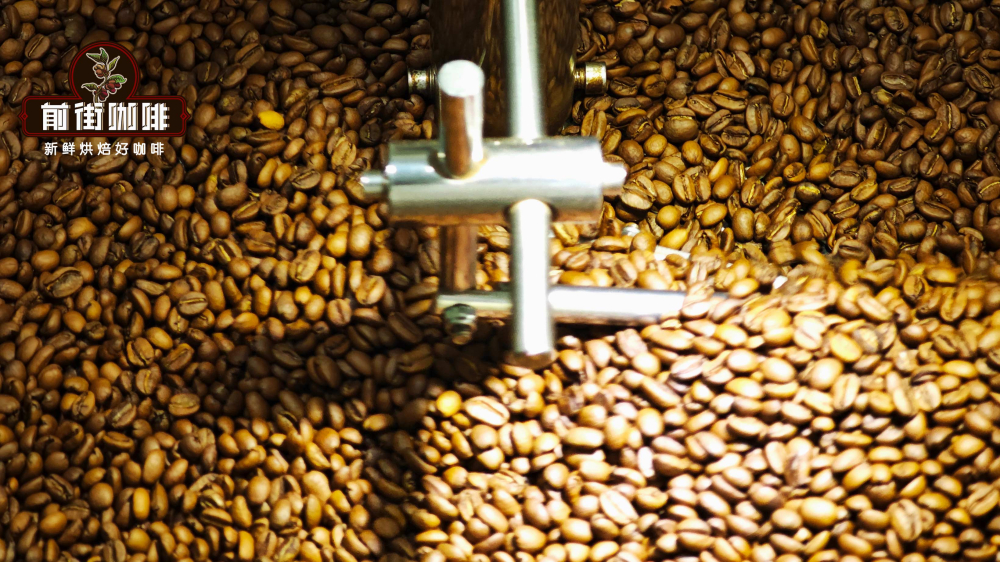
The entire roasting process can generally be divided into three stages. The first is the initial stage when the beans are put into the roaster. During this time, moisture inside the coffee beans begins to migrate outward and gradually evaporate. This stage is also known as the drying stage. Although the external changes are not obvious, you can smell a scent of grass and hay from the steam emitted by the roaster—this is the initial release of the coffee beans’ original flavors.
Next comes the most intense stage of reactions, where the Maillard reaction and caramelization act together. As the temperature rises, the sugars and amino acids within the coffee beans begin complex chemical interactions, releasing the familiar aromas of coffee. At this point, the density of the beans noticeably decreases, their texture becomes drier and more brittle, and changes in internal structure make water-soluble components easier to release, laying the foundation for subsequent extraction.
When the temperature continues to rise, we reach what’s called the “first crack” stage. This is the moment when internal water vapor pressure in the beans breaks through the bean structure, and it also marks the acceleration of caramelization. During this stage, sugars dehydrate under heat, on one hand forming high molecular polymers such as caramel or sauce-colored compounds, and on the other producing a large amount of volatile aldehydes and ketones. These substances not only deepen the color of the beans but also bring captivating aromas such as fruit, caramel, and roasted nuts.
The biggest difference between caramelization and the Maillard reaction is that the former mainly targets the sugars themselves, breaking them down and recombining them through heating to produce dark substances and special aromas; the latter involves interactions between sugars and proteins or amino acids, resulting in more diverse and complex flavors. The two complement each other, together creating the unique character of coffee.
These two reactions are not only present in coffee roasting but are also commonly found in everyday food processing. For example, the golden crust and rich aroma of baked bread are classic manifestations of these two reactions. In coffee, they transform the beans from their original green, unremarkable state into dark brown, fragrant roasted beans.
If you want to experience the rich flavors brought by caramelization, you can pay special attention to several classic coffee varieties. For instance, Queen Estate beans, which have a strong nutty aroma, produce espresso with a smooth texture reminiscent of cream and chocolate, along with a clear aftertaste; Blue Mountain No. 1 is known for its exceptional balance of acidity and sweetness, and caramelization enhances its mellow body; while the darker-roasted PWN Golden Mandheling showcases intense herbal and pine notes, making it especially suitable for crafting richly crema-ed espresso.
Understanding these chemical reactions helps you better grasp why controlling roasting time and temperature is so crucial. Even the slightest variation in any step can significantly diminish the aroma and taste of the coffee. For example, insufficient caramelization may cause the coffee to lose complexity and richness, resulting in a flat and dull flavor. Therefore, mastering the chemical changes during the roasting process is a subject every coffee enthusiast and professional should deeply understand.
The above content is compiled by CoffeeHunters, a coffee news website.


