







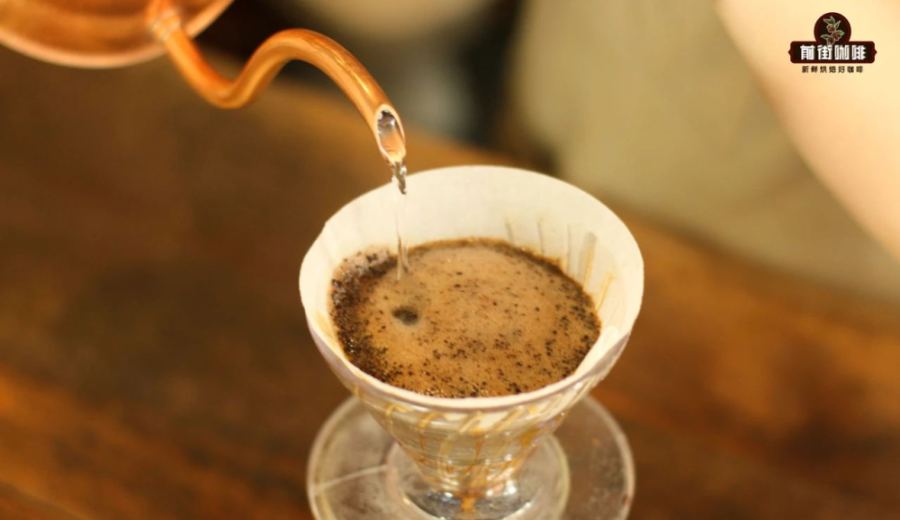
Introduction:Want to brew a V60 pour over coffee at home with distinct layers and balanced flavors? The three-stage brewing method stands out for its stability and ease of replication, making it a top choice among many professional baristas and coffee enthusiasts. This article will break down each step—from blooming to the end of filtration—using real-world examples. It covers key extraction parameters such as water temperature, coffee-to-water ratio, grind size, pouring technique, and timing, along with practical details to help you build your own reproducible pour over system.
In the world of pour over techniques, there are various brewing schools of thought—such as the “one-shot” method focusing on centralized pouring, the “4-6 pulse” emphasizing proportional distribution, the “volcano” style prioritizing agitation, and the precision-driven “Kono” method. However, the V60 dripper paired with the three-stage pouring technique stands out for its broad applicability and consistent extraction performance, becoming a foundational method for many baristas in their daily service. This article uses the V60 with classic coffee beans as an example to thoroughly analyze each step of the three-stage pour over—from pouring rhythm and water temperature control, to grind size and coffee-to-water ratio settings—guiding you step-by-step to master the tricks of stable extraction.
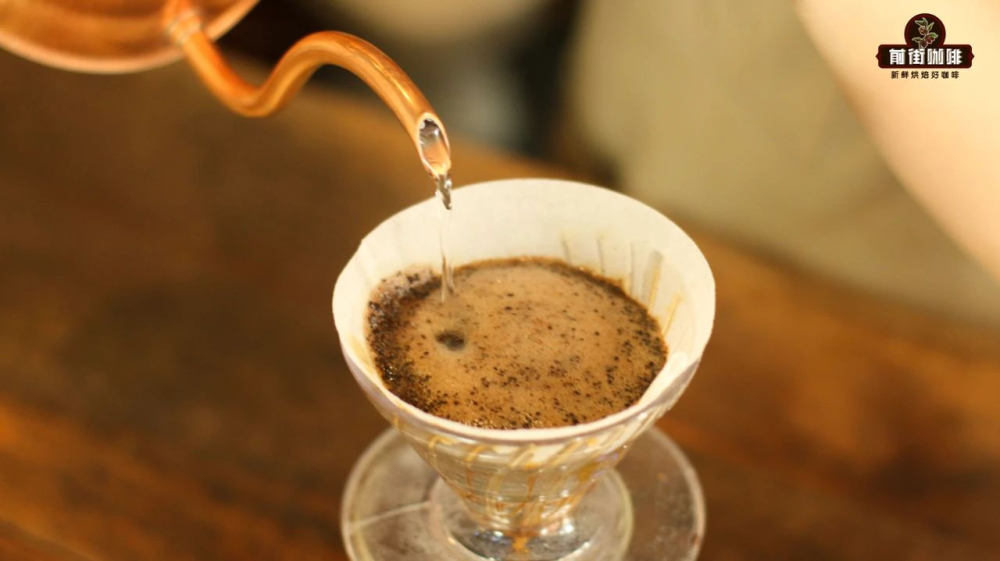 With the growing popularity of pour over culture, extraction methods have proliferated. Whether it’s the quick “one-shot” method that emphasizes concentrated flavors or the Kono method that showcases delicate layers through multiple segmented pours, each has its supporters. Yet why do so many baristas still stick with the three-stage method? The answer lies in its practicality and reproducibility. Different pouring techniques may highlight different flavor profiles of the coffee beans—for example, enhancing sweetness or emphasizing body—but the three-stage method, with its straightforward operation and easy control over variables, is especially suitable for brewers aiming to consistently present the intrinsic characteristics of the coffee.
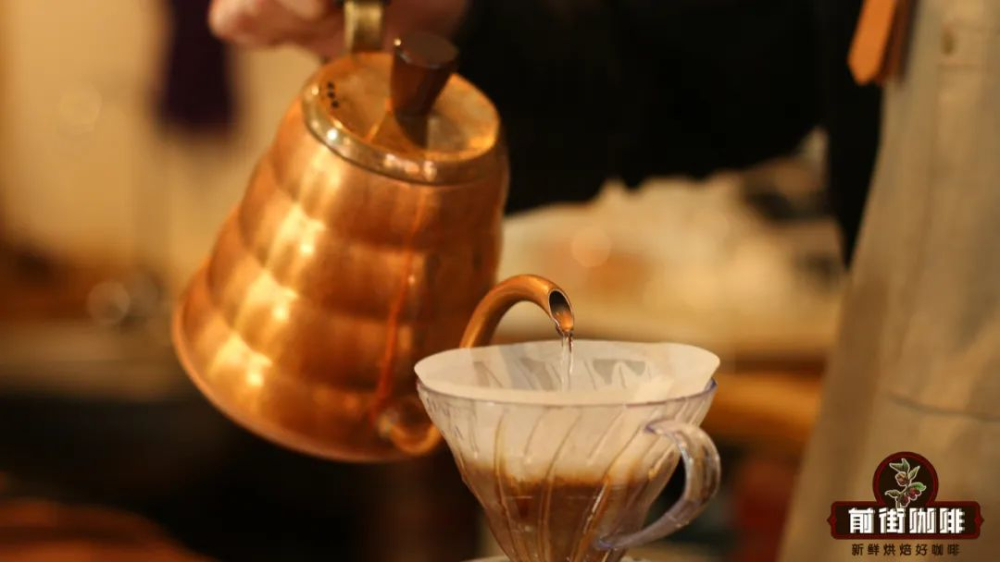
 This article will guide readers through a complete three-stage extraction process using a real-life example—the V60 dripper paired with classic coffee beans. From the first step of blooming, to the second stage of main extraction, and finally the concluding phase, we’ll explain core parameters such as water temperature, coffee dose, grind size, coffee-to-water ratio, and time control step by step, helping you establish a reproducible and easily adjustable personal pour over system.
The actual brewing parameters are as follows: Use the V60 dripper, with water temperature recommended between 91–92°C, a coffee dose of 15 grams, a coffee-to-water ratio of 1:16—that is, a total water volume of 240 grams. Grind size should be slightly coarser than granulated sugar, recommended to be filtered through a #20 sieve with about 80% passing rate. This setup provides sufficient extraction surface area without being overly fine, which could lead to over-extraction.
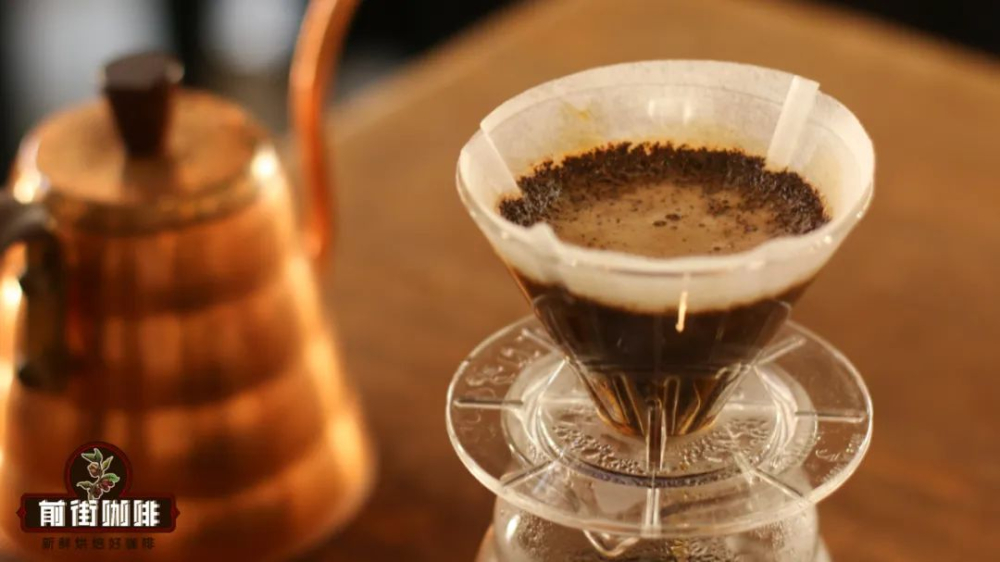
First comes the blooming stage. Add 15 grams of coffee grounds into the dripper, gently shake the dripper to level the coffee bed, then tare the scale. Next, pour 30 grams of water using a gentle stream, starting from the center of the coffee bed and spiraling outward in a circular motion. This step primarily serves to awaken the coffee grounds, release CO₂, and preheat the dripper and server. Keep the water flow steady and ensure all coffee grounds are evenly saturated. Start the timer at the beginning of the blooming stage, which typically lasts around 30 seconds.
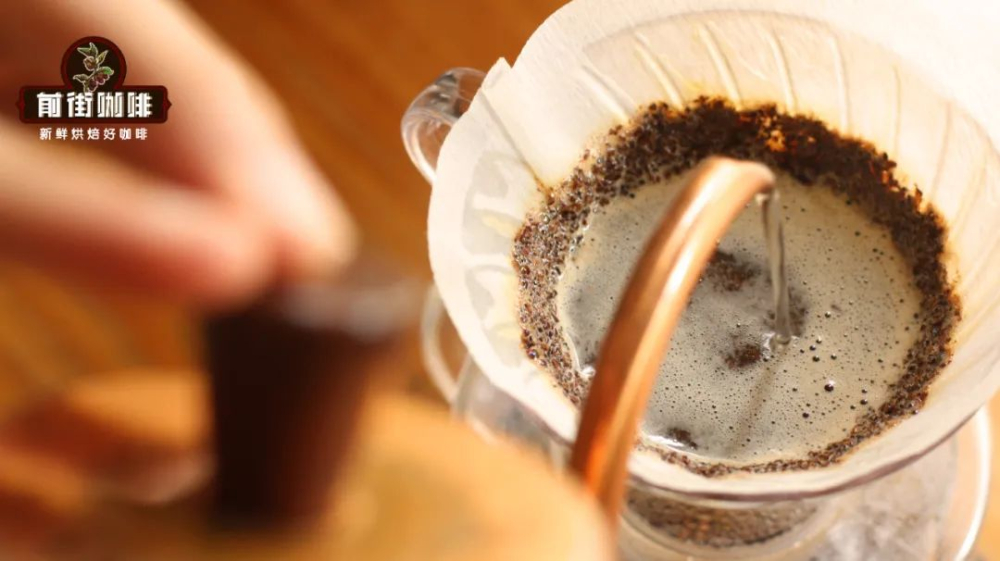 Next is the second stage: main extraction. Once the bloom is complete and the water level drops, begin pouring 120 grams of water using a slightly stronger stream. The focus here is to lift and evenly saturate the entire coffee bed, which helps improve overall extraction efficiency. Keep the water column vertical and try to pour steadily from the center, minimizing the swirl radius to avoid channeling. At the end of this pouring stage, the scale should read 150 grams, with the total time approximately 55 seconds into the brew.
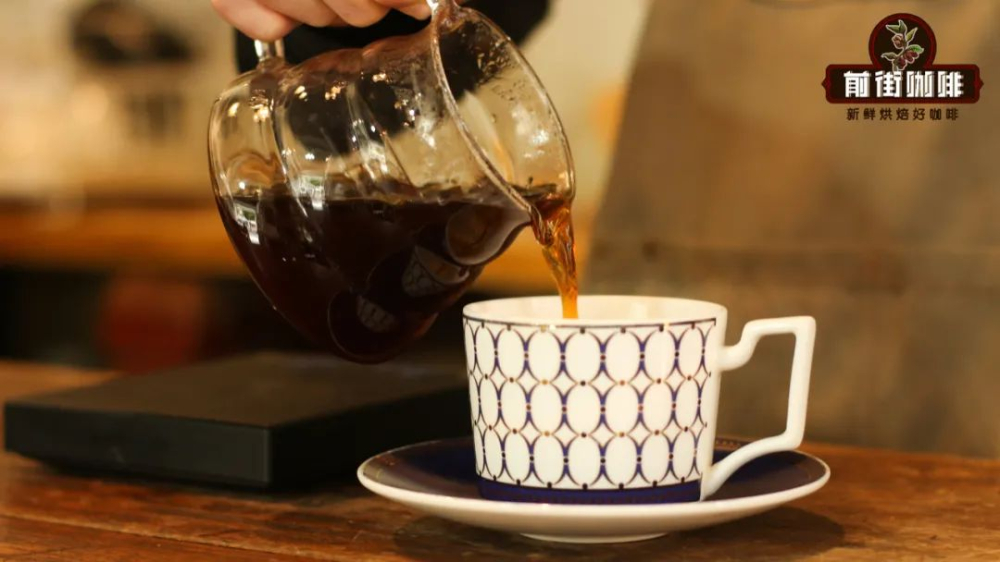
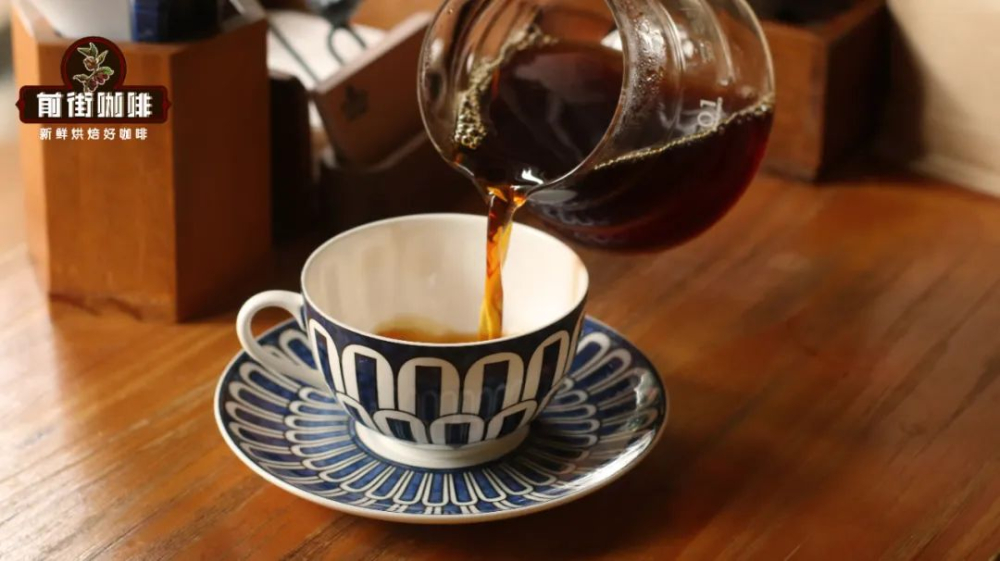
Finally, the third stage: finishing pour. When the liquid level drops to about half the height of the dripper, start the final 90-gram pour. For this stage, use an even gentler stream and make smaller circular movements to avoid overly disturbing the coffee bed, which could result in over-extraction or uneven extraction. By the end of this pour, the total water volume will reach 240 grams, and the overall brew time will be around 2 minutes and 10 seconds. After all the coffee has dripped through, gently swirl the server to balance the flavors before enjoying your cup.
Through this three-stage pouring process, you can not only achieve a stable extraction of the coffee’s multi-layered flavors, but also fine-tune parameters according to personal taste—such as adjusting grind size to control intensity or varying water temperature to influence acidity-sweetness balance. Whether you’re new to pour over or an experienced enthusiast, mastering this method can bring you a more consistent and satisfying coffee brewing experience.
The above content is compiled by CoffeeHunters, a coffee news website.


