







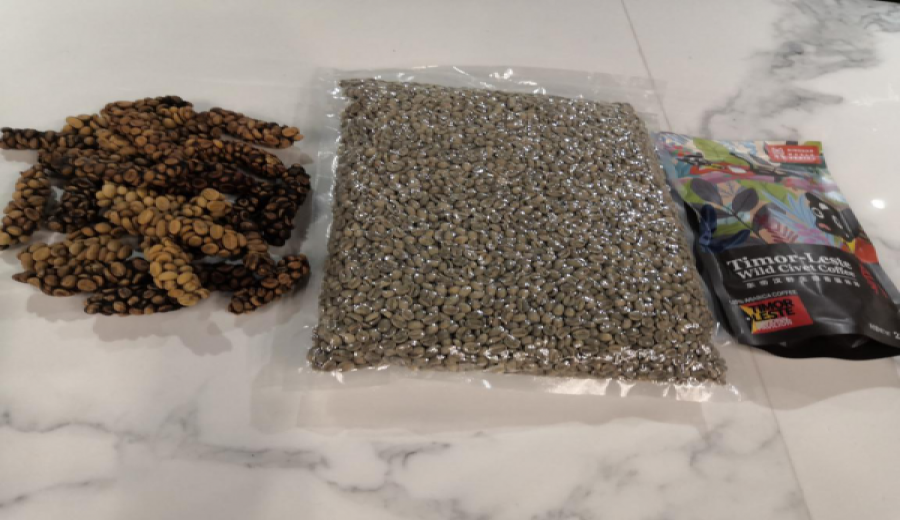
Introduction:As one of the most expensive coffee varieties in the world, civet coffee can cost over 7,000 RMB per jin (500g) for wild beans. Improper brewing methods can easily waste its unique flavor. This article delves into the origins and flavor characteristics of civet coffee, and shares in detail professional pour over techniques — including filter choice, coffee-to-water ratio, grind size, and water temperature control — to help you fully bring out its rich body and distinctive aroma.
Civet coffee, commonly known as "cat poop coffee," is one of the rarest and most premium coffee varieties in the world. Its wild beans can command market prices as high as 7,000 RMB per jin. For this reason, improper brewing not only fails to deliver its unique flavor but also constitutes a tremendous waste of such precious beans. This article will guide you from the origins and flavor features of civet coffee to key parameters like filter selection, coffee-to-water ratio, grind size, and water temperature during pour over brewing — helping you master how to correctly prepare this delicacy and fully enjoy its rich taste and unique fragrance.
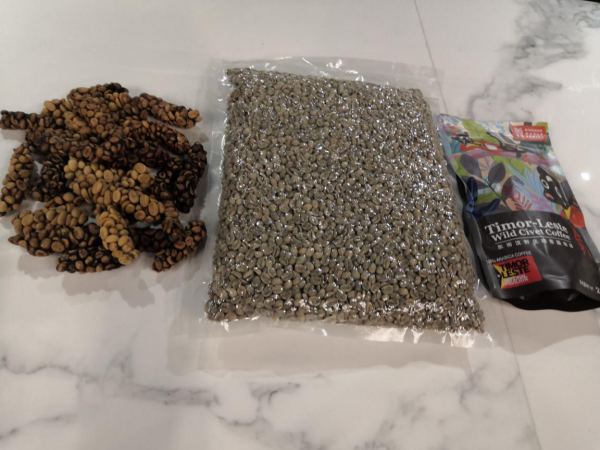
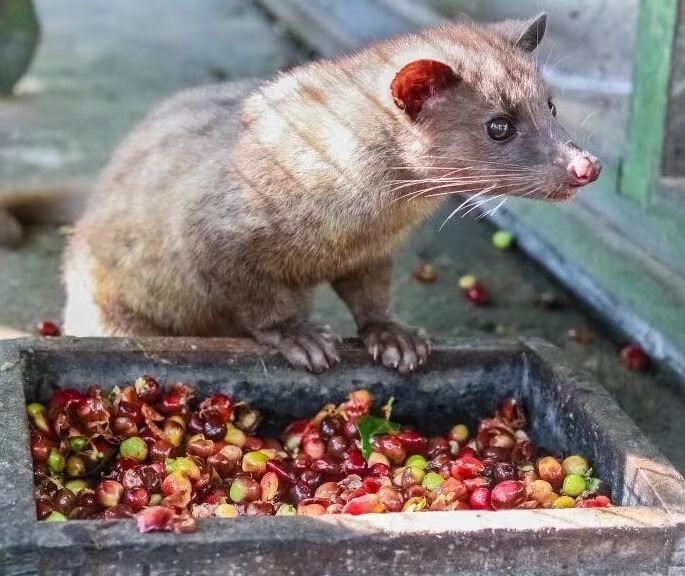
The origin of civet coffee is quite unique, with its name derived from the process where the Asian palm civet (also known as the toddy cat) consumes coffee cherries, and the beans undergo a special fermentation process inside the civet’s intestines. Since the civet’s digestive system cannot break down the coffee beans, they are eventually excreted. During this gastrointestinal fermentation, the beans absorb unique microbes and the fermentation environment within the civet, resulting in a flavor profile that is distinctly different from regular coffee.
Compared to coffee from other regions, Indonesian coffee often has a strong earthy taste and complex aromas reminiscent of traditional Chinese medicine, while the earthiness in civet coffee is even more pronounced, with a thickness comparable to syrup. This type of coffee often leaves behind a rare cool, mint-like aftertaste upon drinking, an uncommon sensory experience rarely found in other coffees. After finishing a sip, taking a breath or sipping some cool water can often bring a cooling sensation from the throat to the mouth, similar to having just eaten a mint lozenge, adding another layer to the tasting experience.
If you’re lucky enough to have civet coffee beans, it’s recommended to use the pour over method to fully showcase its delicate flavors. For filter selection, the Kono dripper is an excellent option. The design of this dripper features ribs extending from the bottom to the middle section, with smooth walls on the upper half. When the filter paper fits tightly against the dripper, it effectively reduces “bypass” — where water flows down without passing through the coffee grounds — thereby enhancing overall extraction body, especially suited for brewing coffee beans with rich and full-bodied flavors.
In terms of coffee dosage, it’s recommended to use 15 grams of coffee grounds. It's important to note that more is not always better, nor is less. The amount should be adjusted based on the capacity and design of the dripper. For 1–2 cup capacity drippers, a range of 15–20 grams is most suitable. Too much or too little can affect the stability of extraction and the balance of flavors.
Regarding the coffee-to-water ratio, it’s advised to use a 1:15 ratio for pour over. Although some sources recommend ratios as high as 1:13 or even lower, excessively high concentration can lead to discomfort, and there is no absolute correlation between concentration and body. Using a 1:15 ratio not only maintains a well-balanced richness but also clearly highlights the unique aromatic qualities of civet coffee.
For grind size, it’s recommended to use a coarseness where about 70% of the particles pass through a #20 sieve — roughly slightly coarser than light roast coffee beans. Since civet coffee is usually dark roasted, its bean structure is relatively loose and absorbs water quickly. Overly fine grinding can release too many coffee compounds, leading to burnt or bitter flavors; conversely, overly coarse grinding may result in under-extraction, yielding a thin, watery flavor. Therefore, a medium-to-coarse grind is key.
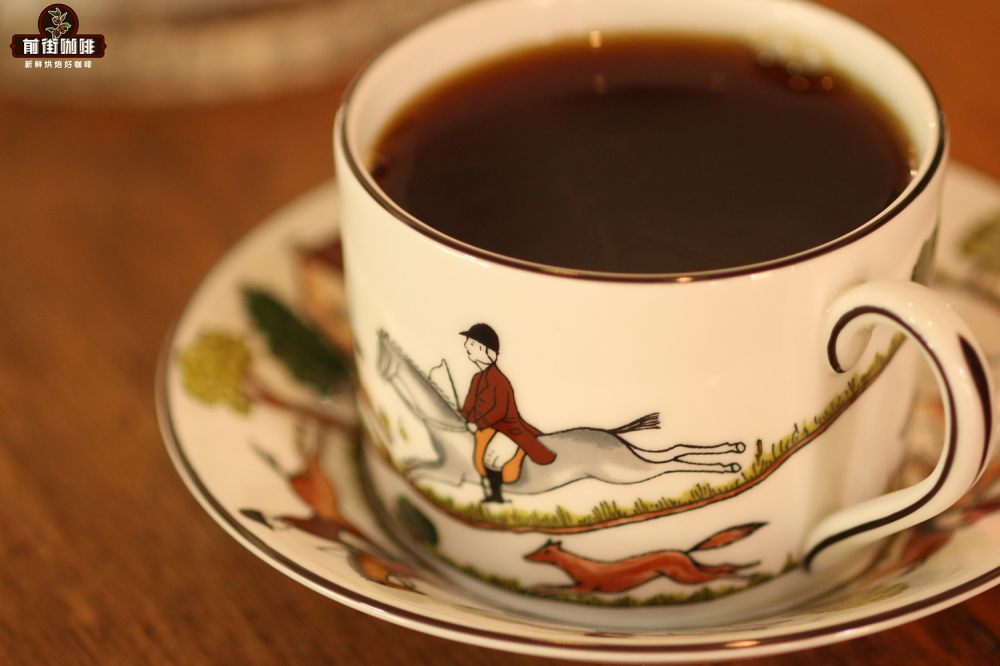
For water temperature, it’s recommended to maintain a range between 87–88°C. Excessively high temperatures can cause burnt or bitter notes, negatively affecting the overall taste; too low a temperature may make the coffee flavor flat or even produce unpleasant sharp acidity. A moderate water temperature helps balance the flavors and fully brings out the richness and sweetness of civet coffee.
Finally, for the pour over technique, the three-stage pouring method is recommended. This approach more effectively highlights the rich body and caramel sweetness of civet coffee. Specifically, the first stage is the bloom phase, where about 30 ml of hot water is poured to fully saturate the coffee grounds and allow degassing, preparing for subsequent extraction. The second stage involves pouring 100 ml of hot water, followed by the third stage with an additional 95 ml. This staged pouring enhances extraction stability, makes the sweetness more pronounced, and delivers a thick, full-bodied taste along with layered flavors of caramel, chocolate, and nuts.
The above content is compiled by CoffeeHunters, a coffee news website.


