







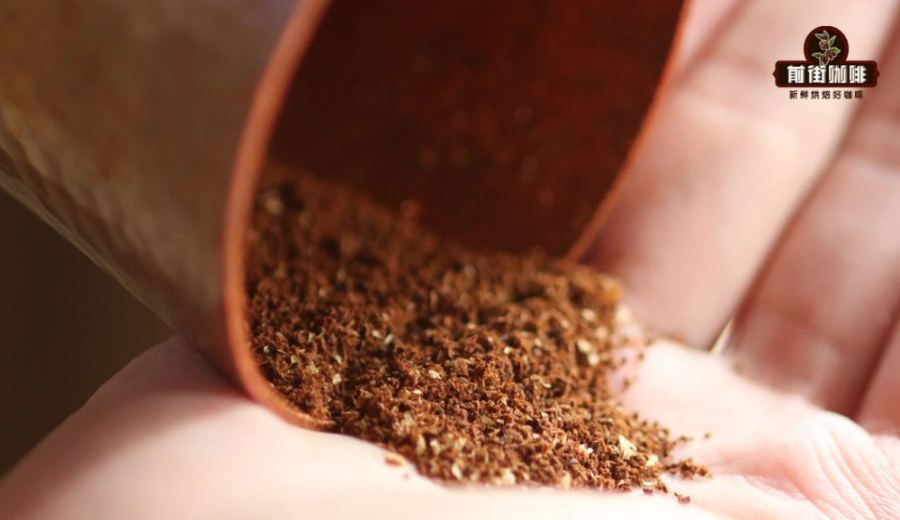
Introduction:Grind size is a key factor influencing the flavor release of pour over coffee. Changes in particle size from coarse to fine directly affect extraction efficiency and flavor balance. This article delves into how grind coarseness impacts coffee concentration, as well as the expression of acidity, sweetness, and bitterness, and provides cupping standards, parameters for various brewing devices, and a calibration method using a No. 20 sieve — helping you accurately master the golden grind range.
Among the many variables in pour over coffee, grind size is arguably the core element that determines the success or failure of extraction. The coarseness or fineness of coffee particles not only controls the speed of water penetration but also directly influences extraction efficiency — from body and brightness to the balance of acidity and bitterness, all are closely related to grind settings.
How does grind size change extraction results?
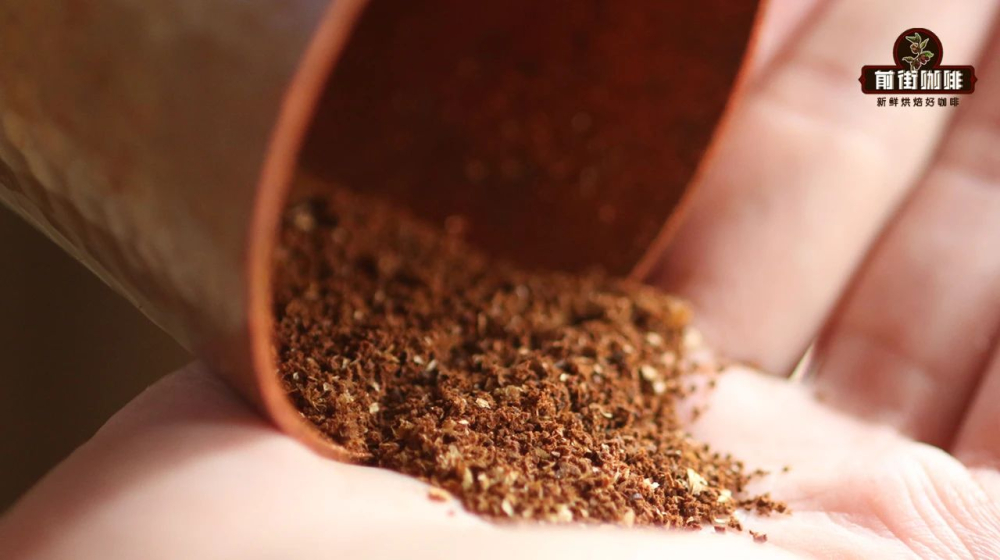
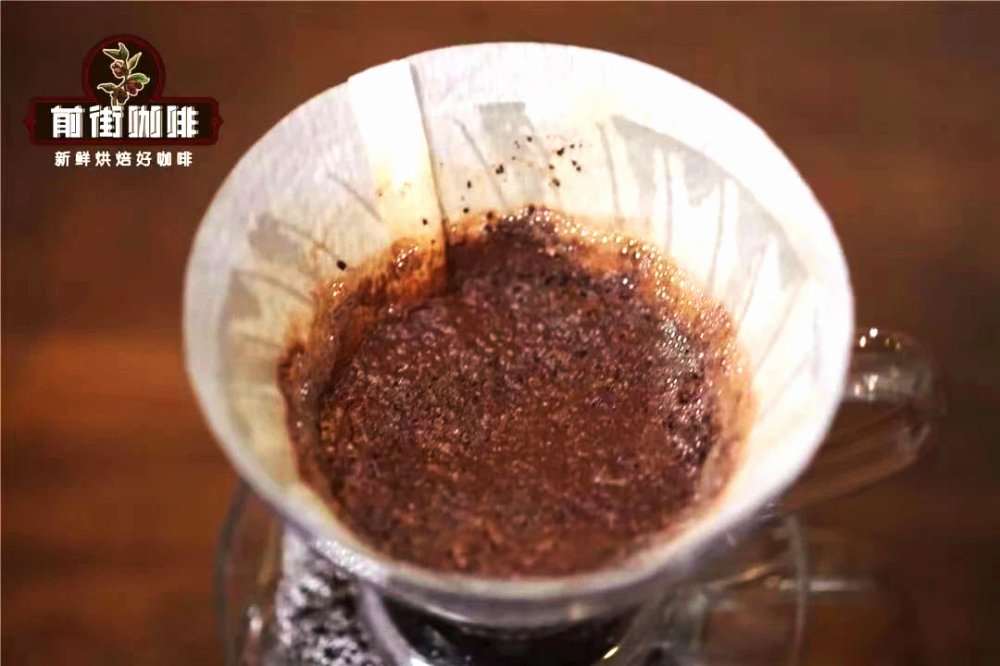
When all other conditions remain the same, the finer the coffee particles, the greater the surface area in contact with water, accelerating dissolution and increasing the extraction rate, resulting in a stronger-tasting coffee. Conversely, coarser particles have less contact area, reducing extraction efficiency and yielding a lighter flavor. However, it's important to note that over-fine grinding can lead to filter clogging, and prolonged extraction times may extract excessive bitter and astringent compounds.
< >
No. 20 Sieve Pass Rate: Industry Standard Reference
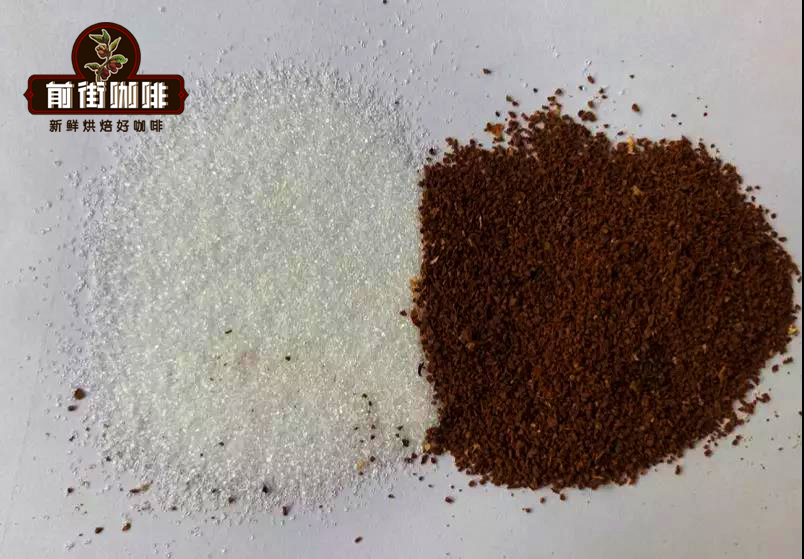
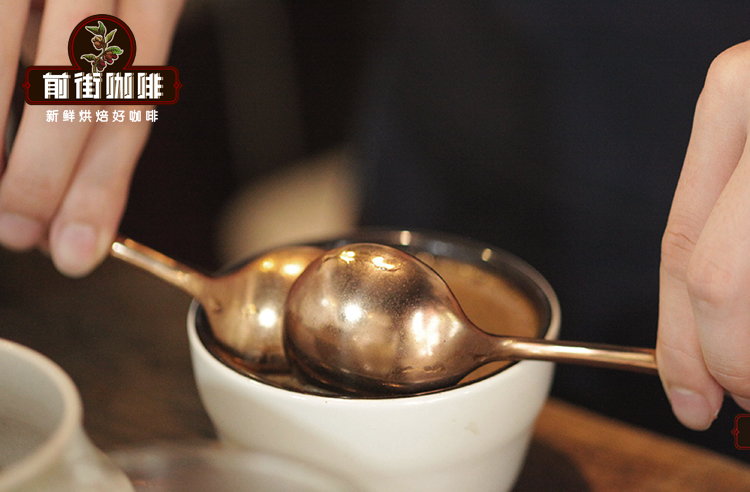
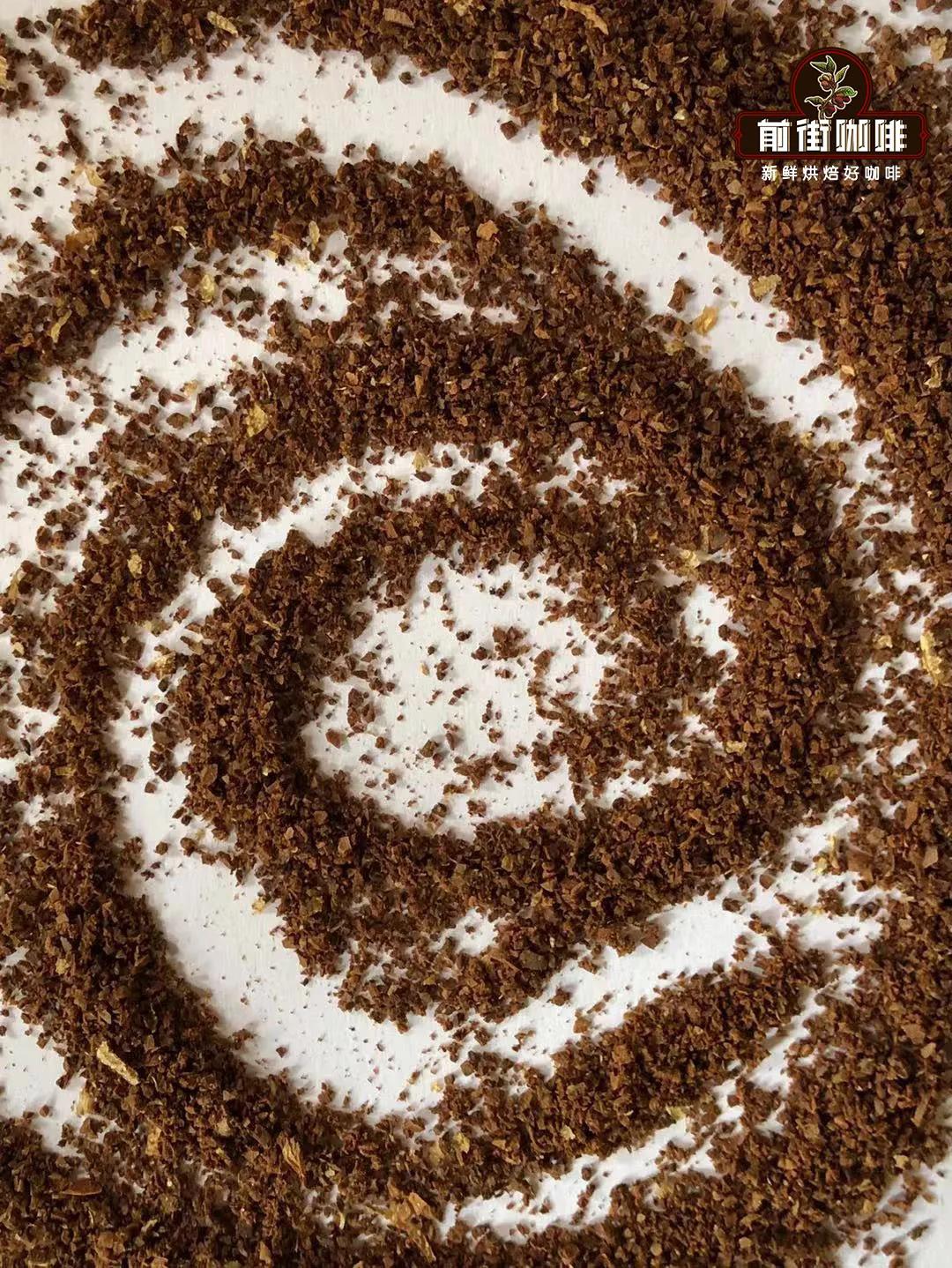
As a fundamental method for evaluating coffee quality, cupping has a standard grind size of70–75% pass rate through a No. 20 sieve(corresponding to approximately 0.85mm aperture). This parameter ensures sufficient release of flavor compounds while avoiding over-extraction.
Suitable Range for Pour Over Coffee
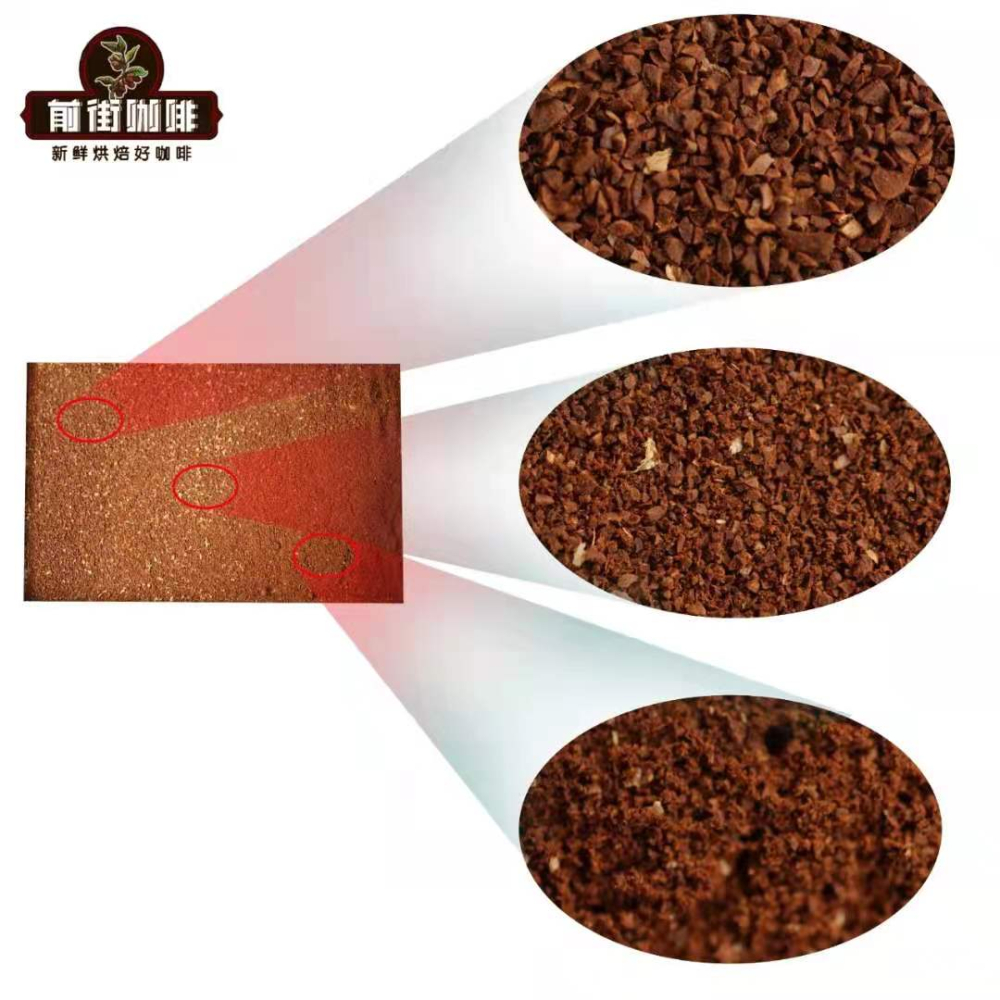
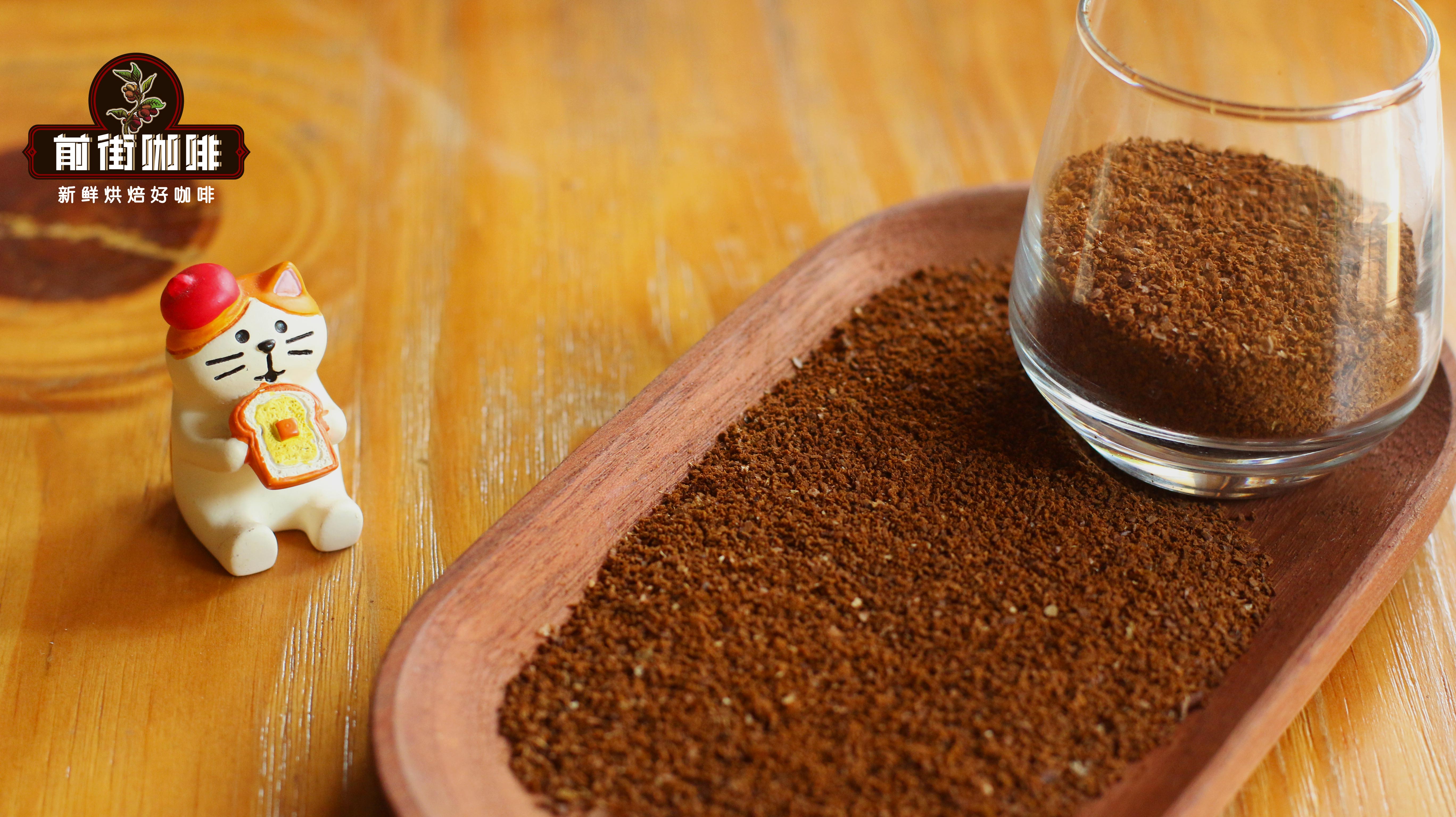
Based on the characteristics of drip filtration, the grind for pour over is generally finer than that for cupping:70–80% pass rate. Broken down further:
- Medium-light roasts (e.g., Ethiopian Yirgacheffe): recommended75-80%, highlighting floral-fruity acidity and layered complexity
- Medium-dark roasts (e.g., Sumatra Mandheling): suitable70-75%, emphasizing body and caramelized finish
Note: The same grinder setting may yield different results for beans of varying densities. It is recommended to calibrate based on actual pass rates.
< >
Risks of Grinding Too Fine or Too Coarse
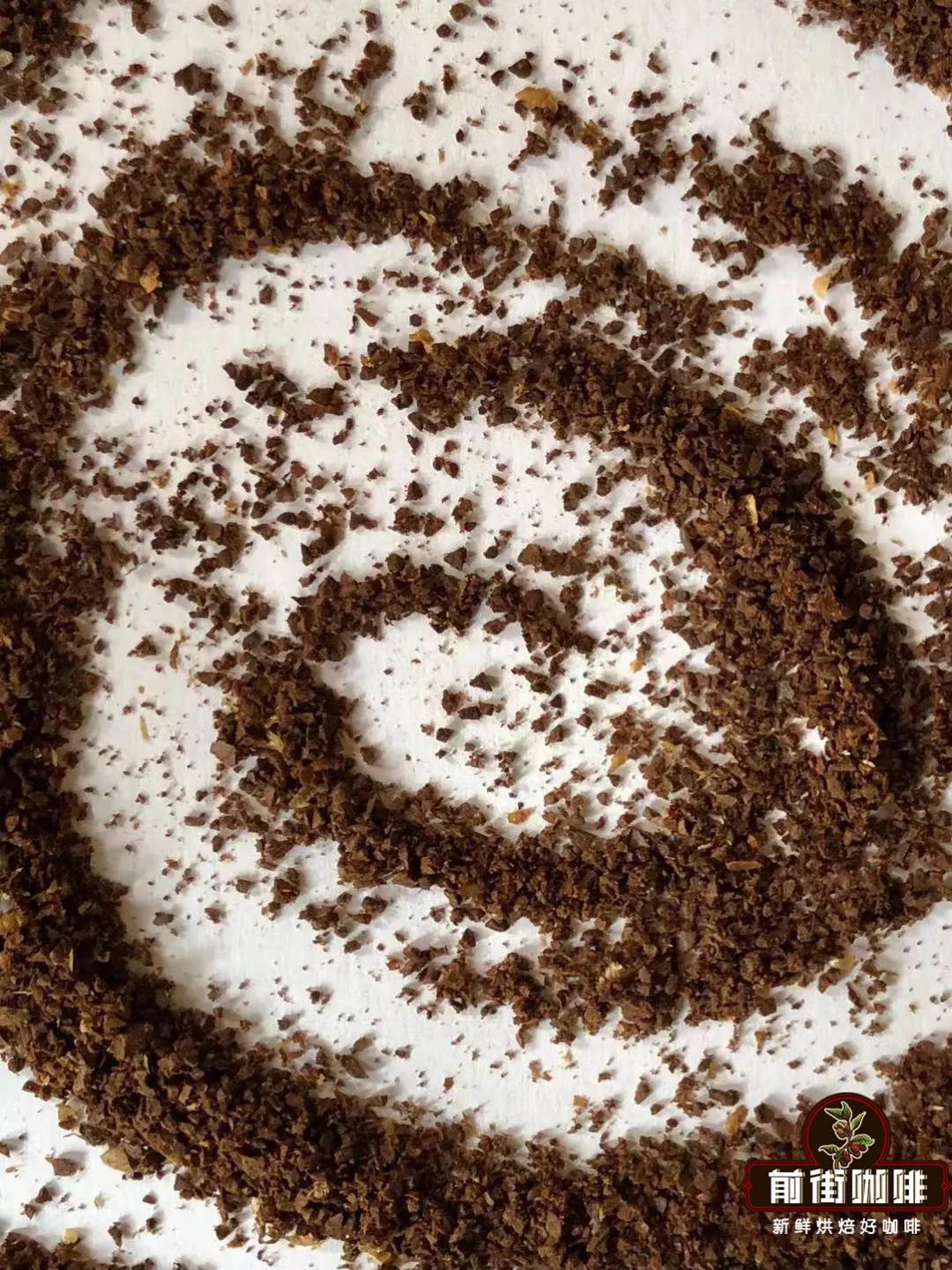
Issues with Over-Fine Grinding: Tightly packed particles slow water flow, potentially creating a muddy coffee bed. Flavor-wise, this often leads to over-extracted bitterness and thin acidity.Issues with Over-Coarse Grinding: Excessively large gaps between particles result in under-extraction, producing a thin-bodied coffee lacking in main flavor notes.
Grind Parameters Comparison by Brewing Device
Ranked from coarsest to finest grind:French press (68–75%) > Pour over (70–80%) > Cold brew/iced drip (80–85%) > Espresso machine (extremely fine, not sieve-testable)
- French Press: Immersion brewing requires a coarser grind (65–70% for medium-dark roasts) to prevent over-extraction.
- Cold Brew/Iced Drip: The low-temperature environment calls for a slightly finer grind (80-85%), balancing the efficiency of slow extraction.
- Espresso Machine: Requires an extremely fine grind, finer than flour (not testable with a No. 20 sieve), with a recommended yield of 40g liquid from 20g coffee grounds (28±1 seconds).
 >
Hands-on Calibration Using a No. 20 Sieve
Tools Needed: Standard0.85mm aperture sieve(China national standard). Steps:
- Weigh out 10g of ground coffee and pour it into the sieve
- Shake it horizontally until no more particles fall through
- Weigh the coffee powder that passed through the sieve
- Calculate the pass rate (e.g., 8g passed = 80%)
This method allows you to accurately determine whether your current grinder settings align with your target range.
< >
The above content is compiled by CoffeeHunters, a coffee news website.


