







Introduction:Struggling with extracting single-origin espresso from light to medium roasted beans? Common issues like excessive acidity, harsh bitterness, or thin flavor can actually be improved with the right extraction strategy. This article dives deep into the extraction logic of SOE (single-origin espresso), starting from the characteristics of light to medium roasted beans, and guides you through adjusting the coffee-to-water ratio, grind size, and extraction time. It also provides specific solutions to common problems. Whether you want to enjoy it straight or pair it with milk, you can brew a more balanced and captivating coffee flavor.
Many coffee enthusiasts often don’t know how to extract espresso from medium-roasted single-origin beans (SOE). If they directly apply the standard parameters used for dark roast beans, the results are often disappointing — either too acidic or overly funky. But in fact, no matter the roast level, the fundamental principles of extraction remain the same: amplify the desirable flavors as much as possible while effectively suppressing the undesirable ones. This article will approach SOE extraction from a conceptual standpoint, using a fruit-forward medium-roast bean as an example, to help you understand how to adjust your extraction strategy based on your drinking purpose. Through practical case studies, we’ll explain how to solve common problems, helping you more accurately master the key points of extraction.
In the past, many people have heard that light roast beans are not suitable for espresso because they tend to produce sharp acidity. This is actually related to the inherent characteristics of the roast level. Compared to dark roast beans, light roast beans have a brighter acidity. If the extraction method is too rigid, the acidity can become overly prominent or even unpleasant. To improve this, the key lies in understanding the characteristics of the beans and adjusting the extraction parameters according to the desired flavor profile.
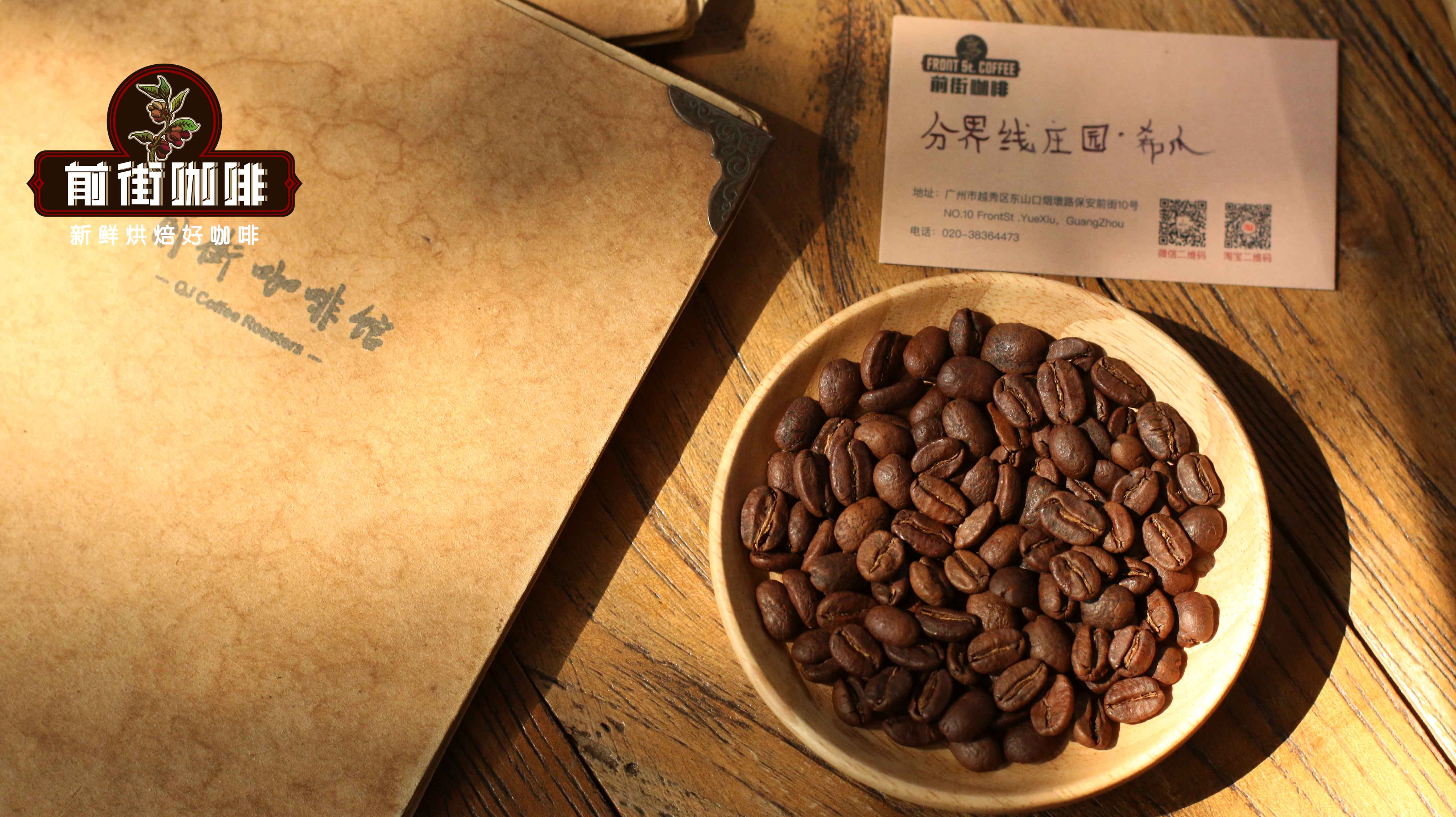
For beginners who are just starting to try SOE, it is recommended to begin with medium-roasted single-origin beans that have a distinct fruity character. If you prefer a bright, refreshing, sweet-tart flavor, you can prioritize natural-processed beans from African regions. If you enjoy the unique floral and fruity notes of Ethiopian beans, go for options with bright citrus and berry tones. If you’re drawn to the dried fruit sweetness often found in Costa Rican beans, try selections with caramel and raisin-like flavors. And if you’re pursuing the rich layers of tropical fruits like mango and pineapple, consider tropical variety beans from Colombia.
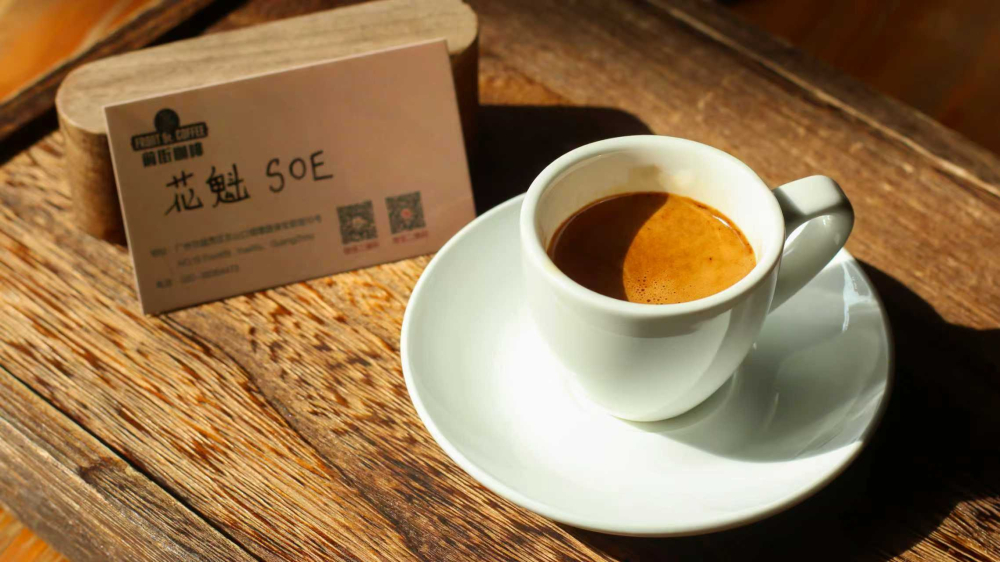
Before you start adjusting extraction parameters, there’s a crucial question that is often overlooked: how do you plan to enjoy this shot of espresso? Will you drink it straight, dilute it with water as an americano, or add milk to make a milk-based coffee? This will greatly influence how you should set your grind size, coffee-to-water ratio, and extraction time. For instance, if you plan to drink it straight, the espresso should have a softer mouthfeel; if making an americano, you’ll want to preserve a more complete flavor profile; and if pairing it with milk, it’s recommended to increase the concentration of the espresso so the final drink has enough coffee flavor to stand up to the milk.
It’s recommended to start with a standard formula for initial extraction: set the coffee-to-water ratio at 1:2, and control the total extraction time between 25 to 30 seconds. The main goal at this stage is to lock in a suitable baseline grind size. Even if further fine-tuning is needed later, this prevents the grind size from deviating too much. If you’re switching from medium to dark roast espresso beans to light-roast SOE, you’ll typically need to make your grinder setting finer. For example, if you usually use a grind setting of 2.1 for the Warm Sun blend, under the same coffee dose and extraction time, a Kenyan light roast might need to be adjusted to around 1.6. Additionally, beans of different roast levels also vary in density. With the same weight, light roast beans usually have a smaller volume, so the coffee dose may also need to be adjusted based on the capacity of your portafilter basket.
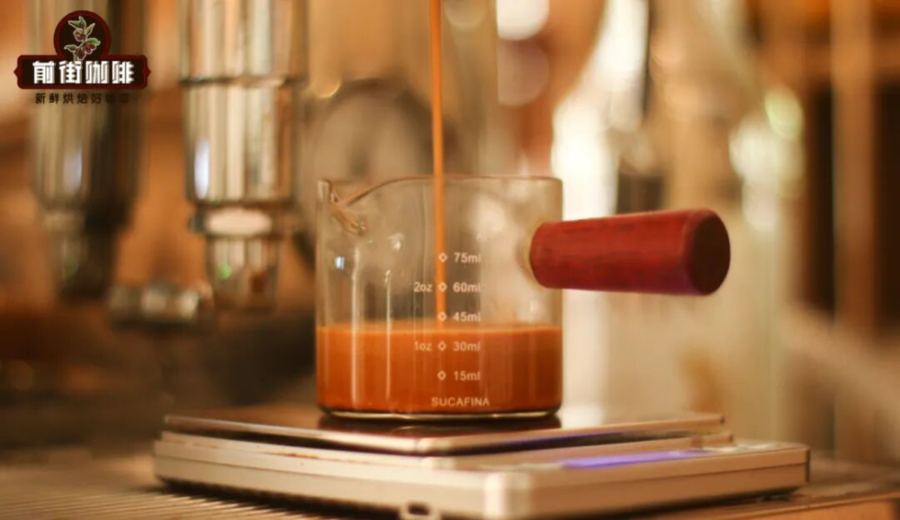
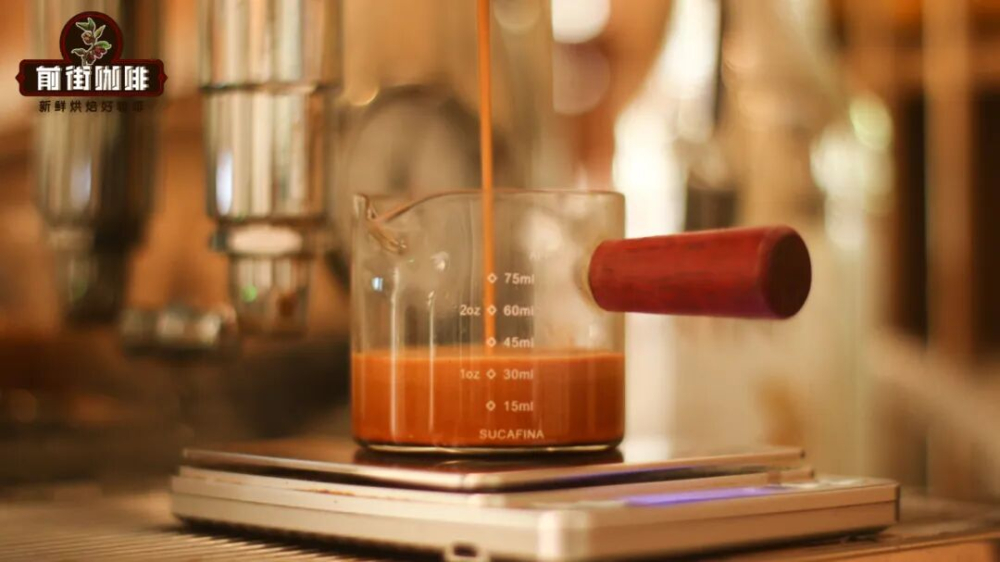
After you’ve completed the extraction following the standard formula, if you find the flavor doesn’t meet your expectations, you can make targeted adjustments based on the actual outcome. The most common issues include excessive acidity, short aftertaste, or overall thin flavor. If you encounter problems with sharp acidity and a short aftertaste, first observe the time when the first drop of coffee appears. If it’s between 4 to 5 seconds, consider slightly adjusting the grind to a finer setting. If it’s between 7 to 8 seconds, the flow rate is likely acceptable and no adjustment is needed. Next, you can try extending the extraction time and yielding an additional 10 to 15 grams of coffee liquid. This helps increase the overall extraction yield, reduce the aggressiveness of the acidity, and enhance the sweetness. This method is suitable for drinking straight or making an americano. If your goal is to make a milk-based coffee, you can improve extraction efficiency by fine-tuning the grind to a finer setting. Even if the extraction time slightly exceeds 30 seconds, as long as the final flavor is harmonious and the coffee flavor is strong enough, it’s still acceptable. If the milk coffee tastes sour or astringent, you’ll need to re-evaluate whether the yield is sufficient.
Another common issue is when the extracted coffee liquid has grassy, bitter, or burnt notes. In this case, it’s recommended to use a segmented testing method: divide the target yield of coffee liquid into three parts — beginning, middle, and end (about 13 grams each) — and taste them separately in different cups to identify which stage the problem occurs. If only the end part has unpleasant flavors, reduce the total yield. If the beginning or middle part already shows off-flavors, you’ll need to readjust the grind size.
Finally, if you find that the extracted espresso lacks depth and complexity, it’s usually due to improper grind size settings. Many people are accustomed to treating espresso grind size as a fixed value, but in reality, different beans and roast levels require significantly different grind coarseness. If you use the same grind setting for both light-roast SOE and dark roast beans, you’re likely to end up with a flat, unremarkable cup. Therefore, if you feel the coffee “has no flavor,” the first step should be to check whether the grind size is appropriate for the beans you’re using — rather than assuming it’s an issue with the beans themselves.
The above content is compiled by CoffeeHunters, a coffee news website.


