








Introduction:As the birthplace of coffee, Ethiopia boasts a rich diversity of coffee genetics and regional characteristics. This article provides an in-depth analysis of the unique flavors, traditional processing methods, and detailed roasting and pour over recommendations—including water temperature, grind size, and extraction time—for the country’s nine major coffee-growing regions, with a focus on Yirgacheffe and Sidama. It aims to help coffee enthusiasts gain a deeper understanding of this specialty coffee haven and elevate their home brewing quality.
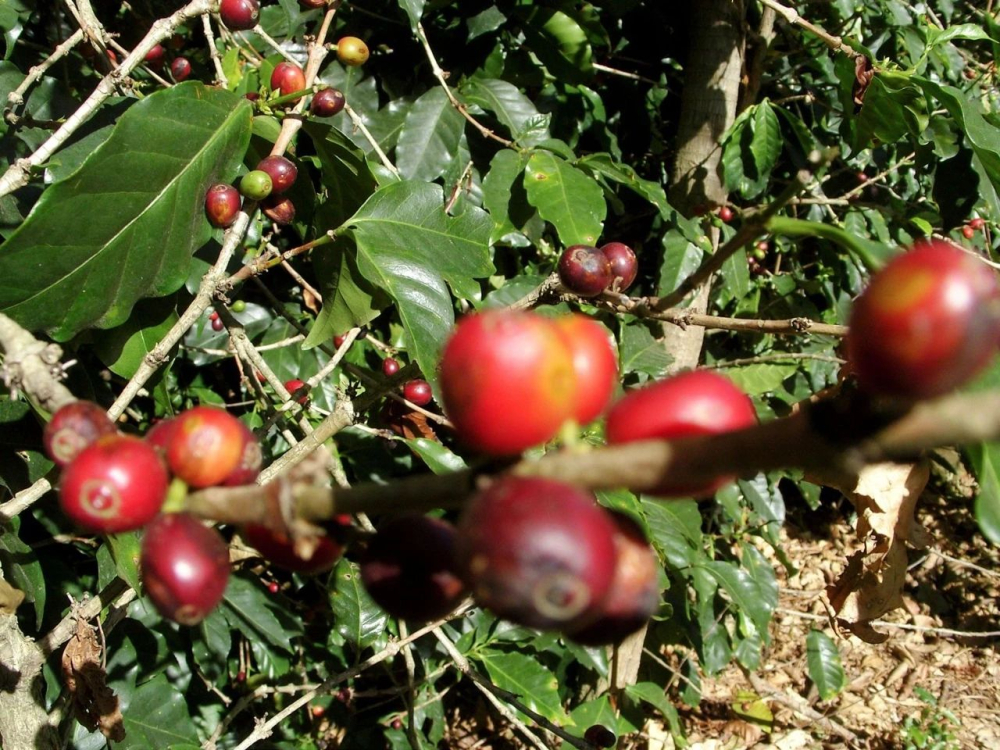
Ethiopia is regarded as the cradle of coffee, with its Kaffa forests in the south hosting over 5,000 native coffee varieties. As Africa’s largest coffee producer, only about 60% of its beans are exported, while the rest are integrated into weddings, festivals, and daily life. For Ethiopians, coffee is more than just a beverage—it is a symbol of culture and faith. The complete coffee ceremony, from roasting beans to grinding and brewing, often lasts up to 90 minutes and showcases profound cultural heritage.
The Core of Ethiopian Coffee Culture
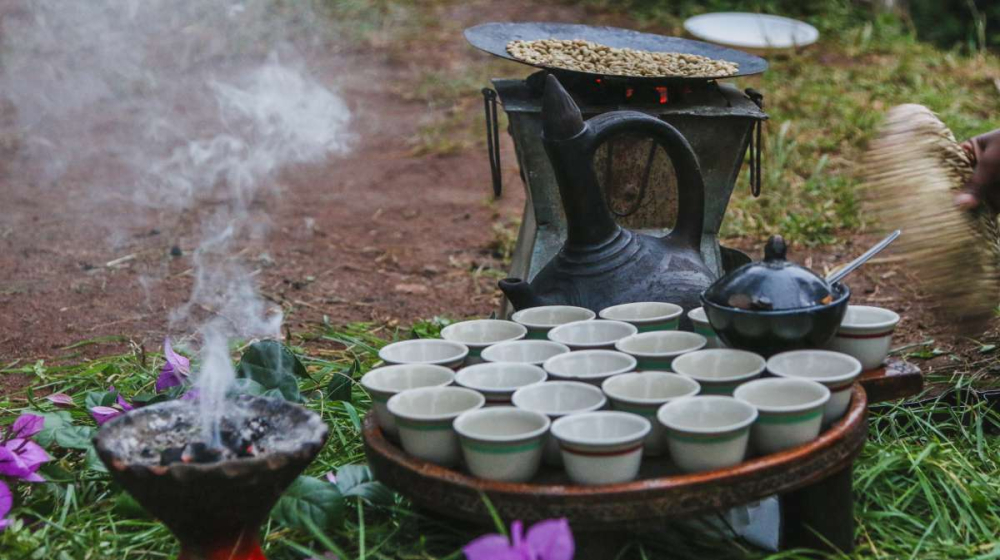
Among many traditions, the coffee ceremony (Coffee Ceremony) is the most significant. This process, which includes roasting, grinding, and brewing, is akin to Japan’s tea ceremony—not just a dietary habit but also commonly used for socializing, conflict resolution, or even proposals. The entire ceremony takes approximately 1.5 hours and is conducted by women, starting with bean roasting for guests to enjoy the aroma, followed by gradual brewing. The first round, called Abol, is the strongest in flavor and is usually consumed first by the proposer during reconciliation talks; the second, Tona, is brewed with additional water but maintains a strong concentration; the third, Baraka, symbolizes blessings and is often shared with the younger generation.
This ceremony is widely practiced across all social strata, regardless of wealth. There is even a saying that Ethiopia’s harmony among its 80+ ethnic groups owes much to its coffee culture. Additionally, local proverbs such as “Buna dabo naw” (Coffee is our bread) and “Buna Tetu” (To drink coffee is to socialize) underscore coffee’s central role in daily life.

Farming Models and Regional Distribution
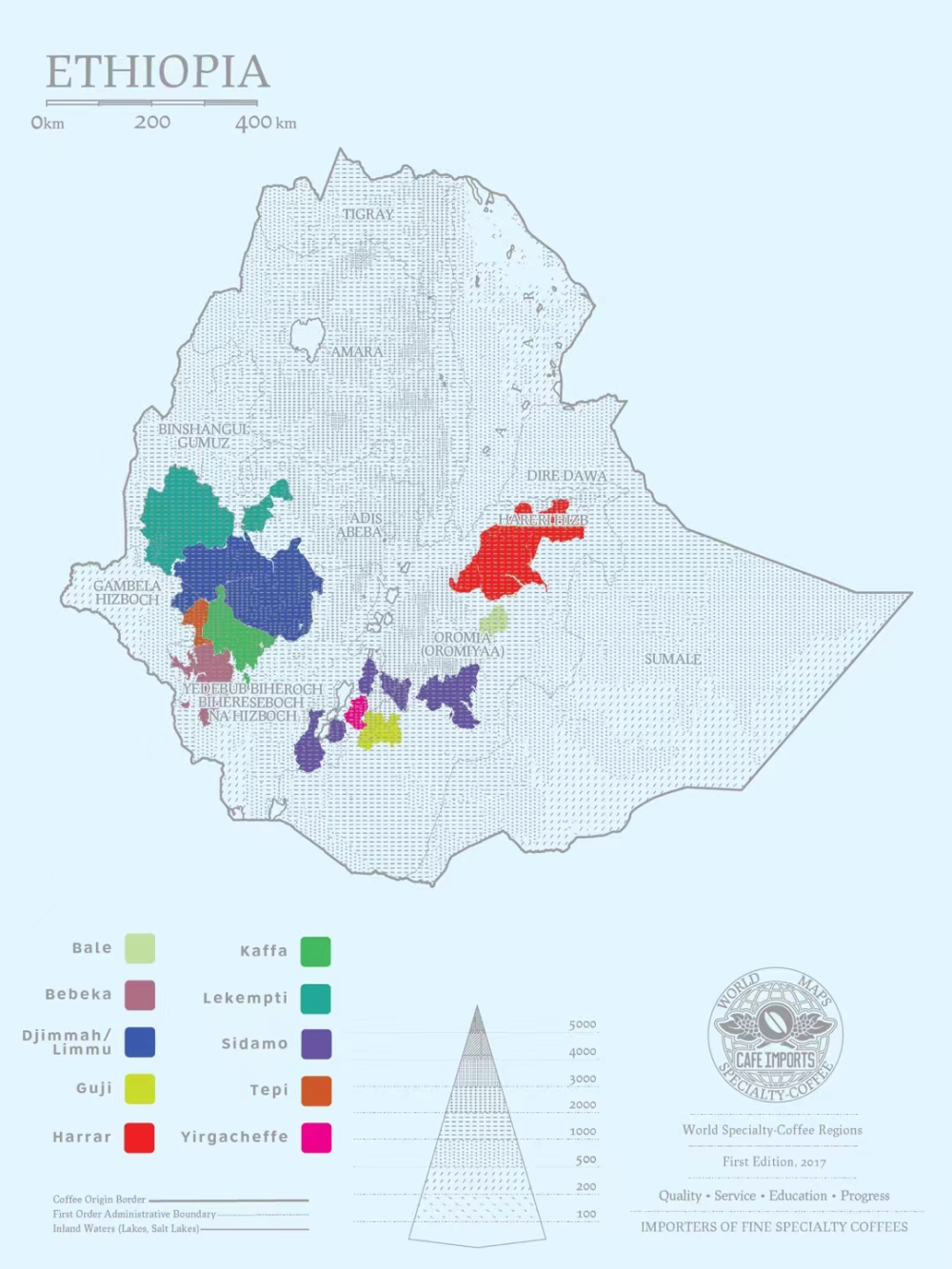
In 1995, Ethiopia adjusted its administrative divisions, affecting the names of some traditional coffee-growing regions—for example, parts of Sidama were incorporated into the Oromia Region, while Yirgacheffe was placed under the Guji Zone. Nowadays, it’s common to see coffee products labeled with both old and new region names. The majority of Ethiopian coffee is grown in the western and southern regions, managed by nearly 1.2 million smallholder farmers, each typically farming less than 4 hectares at elevations between 1,000 and 2,300 meters, with an average yield of around 600 kg per hectare.
Farming models can be divided into:
● Forest coffee (8–10%): Grown in wild conditions with no human intervention.
● Semi-forest coffee (30–35%): Located near villages and managed to some extent by farmers.
● Garden coffee (50–55%): Planted around homes, mostly cultivated by families.
● Plantation coffee (5–6%): Large-scale private operations with processing facilities.
Analysis of Flavors Across Nine Major Regions
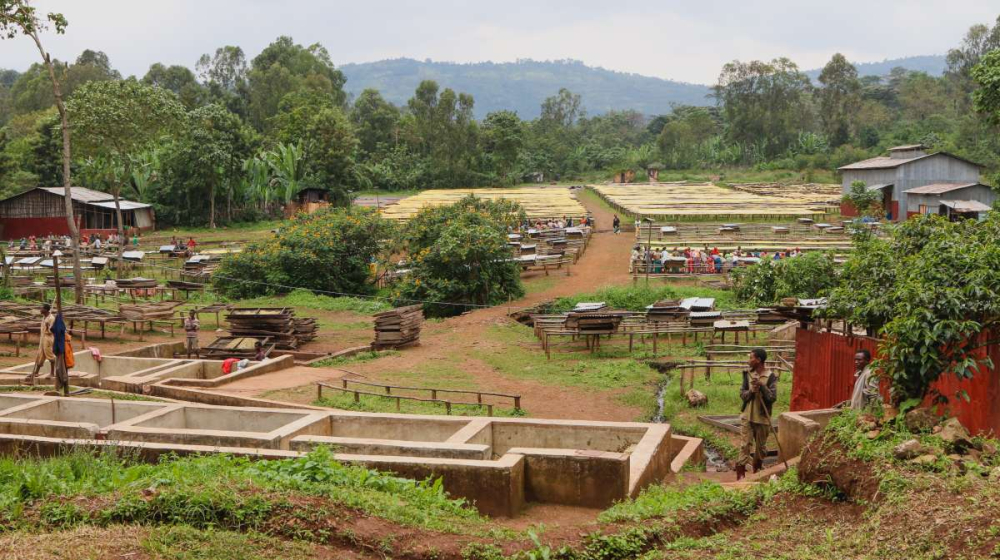
1. Yirgacheffe: Grown at elevations of 1,800–2,000 meters, primarily using the garden system, Yirgacheffe coffees are known for floral notes such as jasmine, along with citrus, peach, apricot, and tea-like qualities, often described as “a garden in bloom.” Traditionally processed with the natural method, the introduction of washed processing in 1972 resulted in cleaner, brighter profiles, particularly noted for their citrus characteristics. Later advancements in natural processing have also produced renowned lots like Idido Mist Valley, Biloya, and Aricha. Various processing methods, including red honey and anaerobic fermentation, contribute to complex flavor layers.
2. Sidama: With elevations ranging from 1,400 to 2,200 meters, Sidama coffees offer sweet, rounded profiles with prominent berry notes, sharing similar varieties with Yirgacheffe. The well-known sub-region Hambella, home to the Hambella variety, gained acclaim in the TOH competition. The 2025 version, roasted to a medium-light level, presents complex fruitiness with a caramel finish. During sipping, flavors of dried mango, passionfruit, and berries emerge, with a lingering sweetness after the temperature drops.
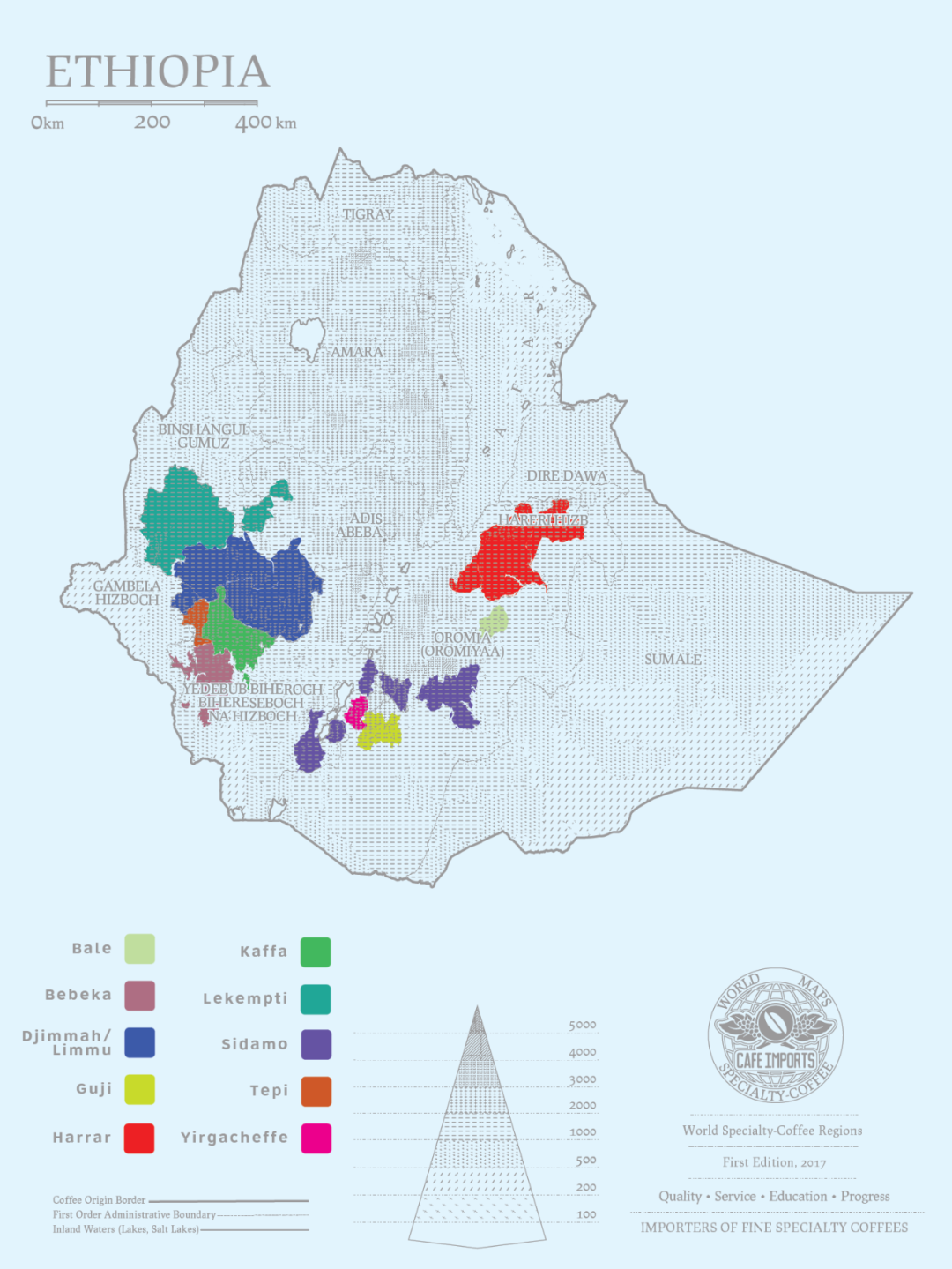
3. Limu: Grown between 1,200 and 2,000 meters, Limu produces relatively small quantities, mainly for export to Europe and America. The coffees feature grassy and black sugar aromas, bright acidity, but generally lower body.
4. Harar: At elevations of 1,500–2,400 meters, Harar focuses exclusively on natural processing. Its coffees are celebrated for distinctive funky and berry flavors, often regarded as representative of classic profiles. However, quality and grading consistency can be variable, so sampling before purchase is recommended.
5. Jimma: Produced at 1,350–1,850 meters, Jimma has the highest output, largely consisting of commercial-grade beans. Washed versions are clean with flavors reminiscent of Central American coffees, and even commercial-grade lots may offer citrus peel-like brightness—offering good value.
6. Illubabor: Grown at 1,350–1,850 meters, these beans are slightly larger in size, with low acidity but good body and balanced flavor. Often blended into Jimma lots for sale.
7. Gimbi/Lekempti: Found at 1,500–1,800 meters, the beans resemble those from Harar, with some classified as specialty grade. They feature bright acidity and fruity notes, and are sometimes referred to as “the poor man’s Harar.”
8. Teppi/Bebeka: These two adjacent regions range from 500 to 1,900 meters and primarily use natural and washed processes. The coffees tend to have low acidity and are suitable for blending.
9. Lake Tana: Produced at 1,840 meters, this rare and small-output region is managed by monasteries and local communities. The coffees have a unique, almost “divine” character and can be considered an alternative or niche origin.
The Red Cherry Project and Variety Overview
The Red Cherry Project, initiated by Dutch trader Trabocca, aims to improve smallholder harvest quality by requiring fully ripe, handpicked cherries and standardized processing protocols. Participating regions include Yirgacheffe and Sidama, and the resulting coffees exhibit distinct profiles, with bags marked with the Trabocca logo. Ethiopia is home to nearly 2,000 coffee varieties, 1,927 of which are native—but most are interplanted, and commercially sold beans are often labeled as “local native varieties.” In recent COE competitions, regions like West Arsi have also demonstrated strong potential.
Processing Methods and Grading System
Ethiopia primarily uses natural (sun-dried) and washed processing. Washed processing removes the pulp through fermentation, resulting in cleaner flavors, while natural processing dries the beans with the fruit intact, preserving more sweetness and fermentation complexity. The ECX classifies coffee by defect rate into G1 (fewer than 3 defects per 300g) and G2 (4–12 defects), and by cupping score into Q1 (85+ points) and Q2 (80–84.75 points).
Roasting and Pour Over Recommendations for Yirgacheffe and Sidama
Yirgacheffe shines brightest with a light roast, highlighting its delicate acidity and floral-fruit notes. For pour over, a V60 dripper is recommended, using water at approximately 90°C, a 1:15 coffee-to-water ratio, 15g of coffee, and a medium-fine grind (80% passing through a #20 sieve). The extraction is done in stages: 30g bloom for 30 seconds, then pouring up to 125g followed by additional pours to reach 225g total, with a total brew time of about 2 minutes. Washed versions feature bright acidity with citrus and black tea notes, while natural versions are fruit-forward with fermented wine-like aromas and honey sweetness.
Sidama also benefits from a light roast to showcase its berry characteristics. Taking the Hambella 4.0 variety as an example, the same equipment and parameters apply, though grind size may be fine-tuned based on actual conditions. Flavor notes include citrus acidity, juicy berry flavors, and creamy, lemony-black-tea aromas, with a long-lasting sweetness.
The above content is compiled by CoffeeHunters, a coffee news website.


