







Introduction:An in-depth analysis of the key differences between light roast and dark roast coffee in terms of acidity, sweetness, and aroma profiles, along with a curated selection of six high-quality light roasted coffee beans featuring prominent floral and fruity notes, including citrus, berries, jasmine, and tropical fruit characteristics. The article also provides guidance on choosing roast levels and understanding shelf life considerations to help you select the coffee beans that best suit your taste preferences—whether for pour over, drip bags, or cold brew, all deliver their optimal performance.
The degree of coffee roasting is one of the most critical factors influencing its final flavor profile. Light roasted coffee, due to its shorter roasting time and lower temperatures, retains more of the bean’s original acidity and floral-fruity aromas, resulting in a relatively bright and refreshing taste. In contrast, dark roasted coffee undergoes longer roasting times and higher heat, significantly reducing acidity while highlighting rich caramel, chocolate, and nutty notes, with bitterness becoming more pronounced.
In simple terms, if you prefer a cup of coffee with bright acidity, floating floral notes, and even hints of berry or citrus fruit tones, then a lighter roast will be the more suitable choice. On the other hand, if you enjoy a rich, full-bodied taste with pronounced sweetness and deep-spice aromas, dark roast will better satisfy your flavor preferences.
So what exactly determines whether a coffee bean is classified as light roast or dark roast? The answer lies in the roaster’s comprehensive judgment based on bean variety characteristics, origin terroir, and the desired flavor profile. Generally speaking, when coffee beans are roasted to the beginning or before the end of the first crack, they are considered light roast; whereas when roasting progresses past the end of the first crack and further into the second crack or even deeper, it falls within the realm of dark roast.
Light roasted coffee typically has higher acidity, with lively aroma expression. Common flavors include citrus, berries, white flowers, honey, and even green tea—making it ideal for coffee lovers who enjoy a refreshing taste and delicate layers. Additionally, this type of coffee often better showcases unique regional characteristics (terroir) during brewing, making it a favorite among many pour over enthusiasts.
Below are six carefully selected light roasted coffee beans featuring distinct floral and fruity flavor profiles, suitable for brewing via pour over, drip bags, or cold brew. Each offers its own unique aroma profile and taste experience:
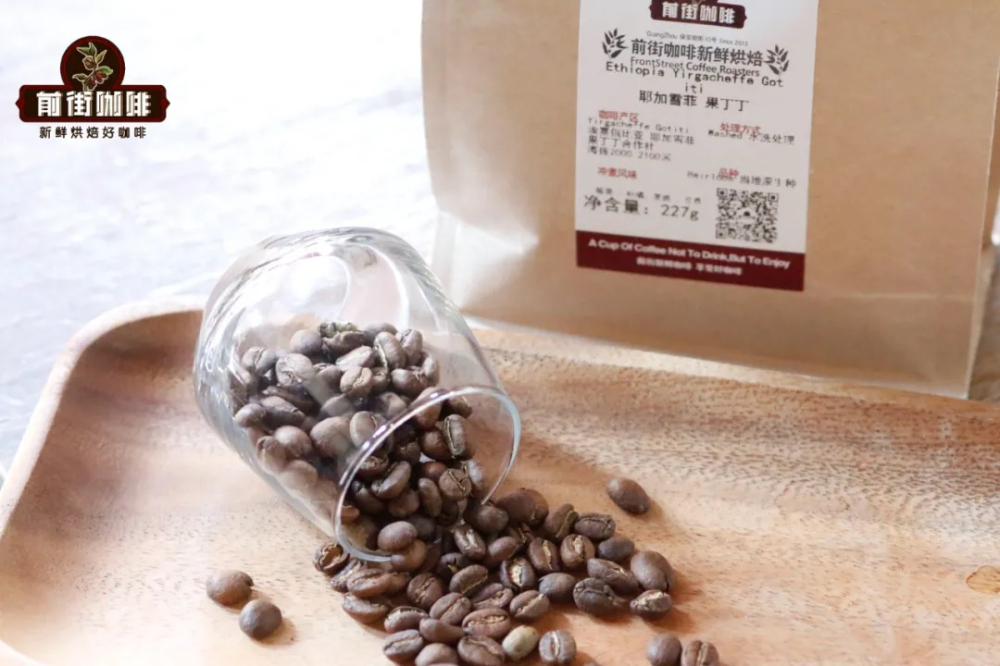
1. 果丁丁:Sourced from Ethiopia, it features prominent citrus, tea-like qualities, and multiple floral notes, interwoven with berry tones, suitable for pour over, drip bags, and cold brew, delivering excellent layering and vibrancy.
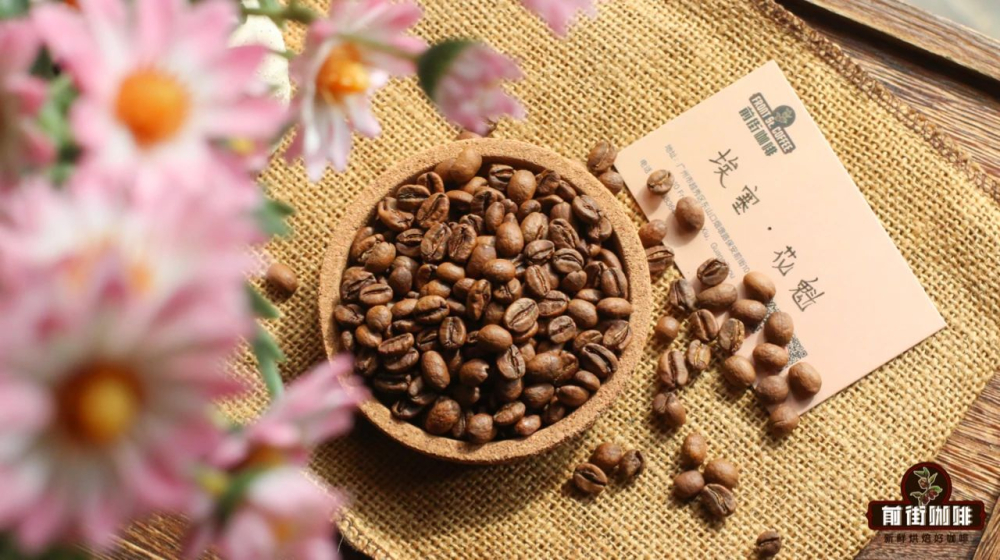
2. 花魁:Also from Ethiopia, it offers a rich flavor profile with notes of strawberry, citrus, guava, and mango, among other tropical fruits. The finish carries a gentle creamy sensation, suitable for various brewing methods including pour over, drip bags, cold brew, and siphon brewers.
3. 波奎特瑰夏:This Gesha variety from the Pozuzo region of Peru boasts standout jasmine and honey aromas, complemented by citrus and green tea tones. It showcases delicate floral and fruity layers whether served hot or cold, suitable for hot brewing or cold brew.
4. 卢旺达红波旁:Characterized by soft, delicate floral notes, with clear berry and citrus tones, transitioning into caramel and nutty sweetness in the aftertaste. The overall profile is balanced and layered, ideal for those who enjoy warm fruity aromas with a well-rounded sweetness.
5. 卡法森林:This coffee emits bright orange and white floral aromas, paired with citrus and melon seed aftertastes. Its flavor is fresh with a hint of sweetness, suitable for consumers seeking a light-bodied taste.
6. 肯尼亚小番茄:Featuring a unique flavor with notes reminiscent of cherry tomatoes, pears, and black plums, alongside subtle undertones of dark plum in the finish. It’s a distinctive coffee, perfect for enthusiasts who appreciate special fruity acidity profiles.
When purchasing coffee beans, it’s recommended to choose suppliers with good quality control and guaranteed freshness. Be sure to pay attention to the roast date on the packaging. Generally speaking, the optimal flavor window for coffee beans is within 1 to 2 weeks after roasting, and should not exceed 50 days. Beyond that, aroma and flavor will noticeably deteriorate, impacting the final brewing results.
Additionally, if possible, opt to buy whole coffee beans rather than pre-ground coffee powder. Grinding greatly accelerates the evaporation of aromas, so grinding your own beans ensures each brew delivers the freshest aroma and the most complete flavor expression. Whether you’re a beginner or an experienced coffee enthusiast, selecting freshly roasted, high-quality coffee beans is the first step toward elevating your coffee experience.
The above content is compiled by CoffeeHunters, a coffee news website.


