








Introduction:Americano, composed simply of espresso and water, actually involves quite a bit of professional know-how. This article starts with the standard ratios of hot and iced Americanos, analyzes the golden ratio of espresso to water, delves into the sources of bitterness and how to counteract them, and offers practical brewing tips along with recommended espresso beans suitable for making Americano—helping you easily brew a balanced and rich black coffee.
Thanks to its low-calorie nature—free from milk and sugar—Americano has become the go-to beverage for many young people in their daily lives. Whether as an office pick-me-up or paired with light snacks at a café, it is widely loved for its simple flavor and affordable price. However, this drink that seems to be just “espresso with water,” if you want to replicate a well-balanced and non-astringent brew at home, there are still many details worth understanding in depth.
An Americano is essentially a black coffee made by mixing espresso with water in varying ratios, without adding milk or extra sugar, resulting in relatively very low calories and thus considered a healthier coffee option. Consumers favor it not only for its low-calorie profile but also because it fits various occasions—whether homemade, quickly brewed in the office, or the go-to order at a café for socializing—it can handle it all with ease.

Making a basic Americano isn’t actually complicated. The general recommendation is to extract about 40g of espresso using 20g of coffee grounds, with an extraction time controlled between 25 to 30 seconds. Then, based on taste preference, add 200ml of warm water at a 1:5 ratio to make a hot Americano. For an iced Americano, it’s advised to use the golden ratio of 1:2:4: mix 40g of espresso with 80g of ice and 160ml of room temperature water. This approach maintains the flavor layers while avoiding excessive release of bitter substances due to high temperature.
As more coffee enthusiasts start experimenting with making their own at home, iced Americano, with its refreshing taste, has become the top choice. However, some report that their homemade versions often end up overly bitter and unpleasant in texture. In fact, the main factors influencing the flavor of Americano still come down to the characteristics of the coffee beans themselves and the degree of roasting.
The primary reason for an iced Americano tasting overly bitter is often the use of coffee beans that are roasted too dark. When coffee beans are exposed to heat for too long, it can trigger intense caramelization reactions, causing the beans to accumulate excessive roasty-flavor compounds, which leads to an espresso dominated by bitterness. To avoid this, it is recommended to choose medium or medium-dark roast espresso beans, which can retain rich flavor layers while effectively controlling the expression of bitterness.
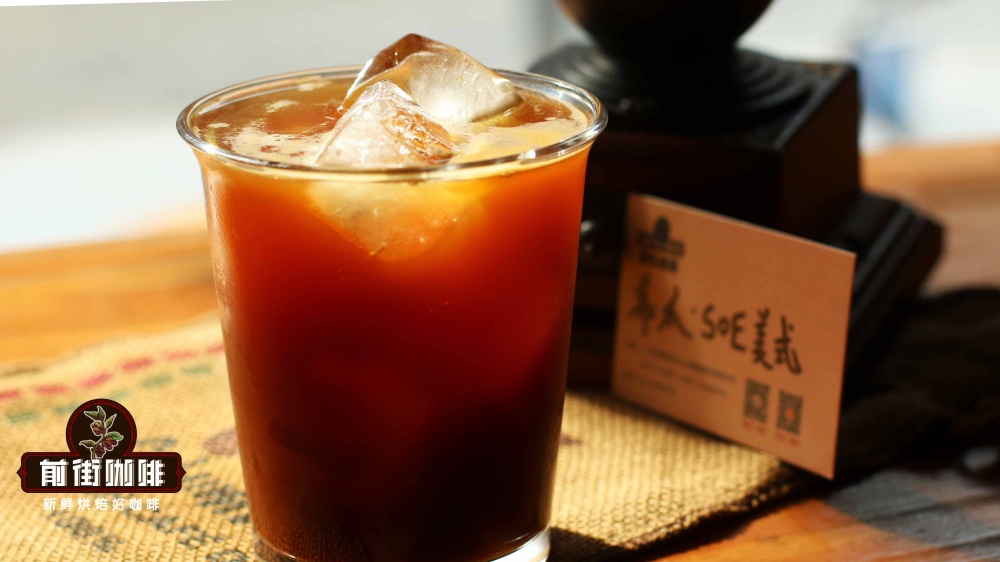
Among medium roast options, it’s advisable to prioritize beans that feature bright fruit acidity with creamy and nutty undertones. These types of beans can present a more refreshing and balanced flavor profile when used in iced Americano—not only is the acidity mild, but it also avoids the common issue of astringency. Additionally, if you prefer a smoother, more mellow flavor with caramel and nutty notes, you might also consider blends made from Colombian washed beans and Brazilian semi-washed beans. Their stable performance is great for daily home use and can deliver an enticing finish of dark chocolate and caramel.
For coffee lovers who wish to further reduce bitterness and pursue a softer fruitiness, it’s recommended to try custom blends that combine single-origin beans from multiple regions. For example, blends that incorporate characteristics from Costa Rican, Colombian, and Ethiopian beans often feature rose floral notes, citrus tones, and berry-like fruitiness. When brewed into an Americano, they can yield a naturally sweet taste reminiscent of fruit gummies, making them ideal for those who enjoy floral and fruity flavors.
In summary, to brew a well-balanced Americano at home—one that is neither sour nor astringent—the key lies in mastering the optimal ratio of espresso to water, understanding how the roast level of coffee beans affects flavor, and choosing the right beans according to your personal taste preferences. With continuous experimentation and fine-tuning, you too can easily craft your own perfect cup of Americano.
The above content is compiled by CoffeeHunters, a coffee news website.


