







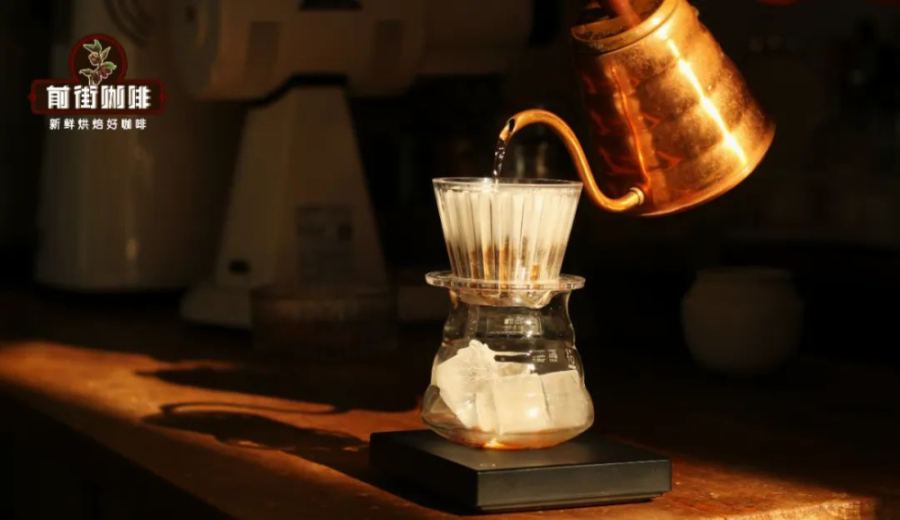
Introduction:Want to choose or make the perfect iced coffee for yourself, but can’t tell the difference between cold brew, ice drip, and iced americano? This article will clearly explain the extraction principles, brewing steps, and flavor characteristics of three common types of iced coffee—from iced americano, which is simply hot brewed coffee cooled down with ice, to cold brew and ice drip that use low-temperature slow extraction—to help you find the ideal iced coffee method based on your taste preferences and equipment.
The world of iced coffee goes far beyond just one method. Based on the brewing temperature used, iced coffee on the market can generally be divided into two main types: one involves brewing coffee with hot water first and then cooling it down by adding ice or ice water, with iced americano being the most well-known example; the other uses room temperature or cold water to directly steep coffee grounds, allowing flavor compounds to slowly release, with cold brew and ice drip being the two most common methods in this category.
Although both fall under the category of low-temperature extraction, cold brew and ice drip actually differ significantly in the equipment used, brewing process, and final flavor profile. This article will start from the basic extraction principles, gradually explain how to make cold brew coffee at home using simple tools, analyze the structure and working mechanism of an ice drip maker, and explore why the same coffee beans, when processed via ice drip, often exhibit a cleaner and more refreshing flavor profile.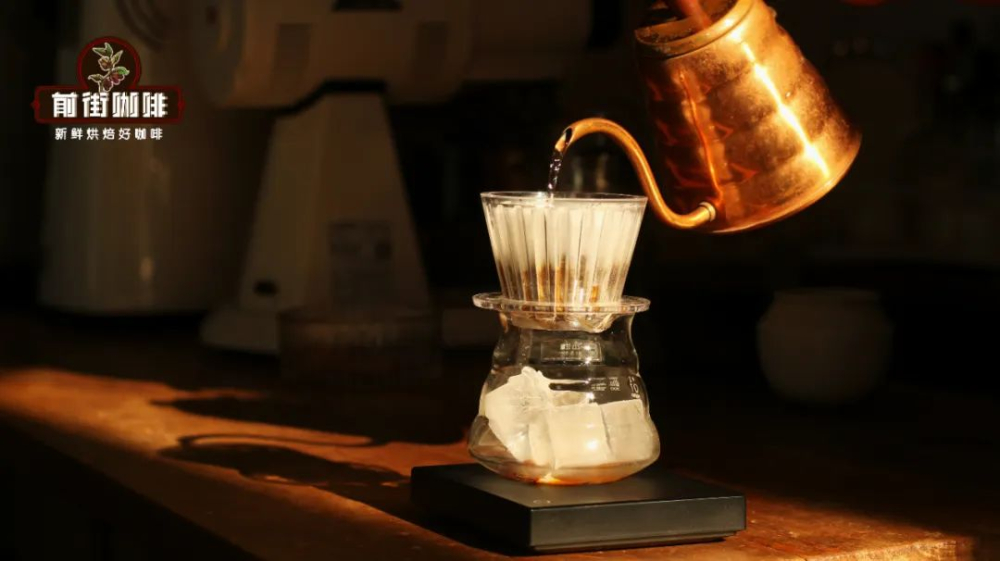
First, commercially available iced coffee can be broadly categorized into two types based on brewing methods. The first type uses hot water for extraction followed by cooling, such as the ever-popular iced americano. The method is relatively simple—just add a shot of espresso to ice water or ice cubes. This type of iced coffee usually has a strong coffee aroma and a richer body, but if not handled properly, it can easily end up with overly bitter notes.
The second type takes a completely different approach, using cold or room-temperature water to directly steep coffee grounds and extracting flavors slowly over time, with cold brew and ice drip being the representative methods of this category. Due to differences in how coffee compounds dissolve at lower temperatures, it’s recommended to choose medium to light roasted coffee beans to avoid the excessive bitterness and dryness of dark roasts affecting the overall flavor. If you prefer floral and fruity notes, try medium-light roasted beans; if you want a sweeter taste, opt for beans with caramel or fructose characteristics.
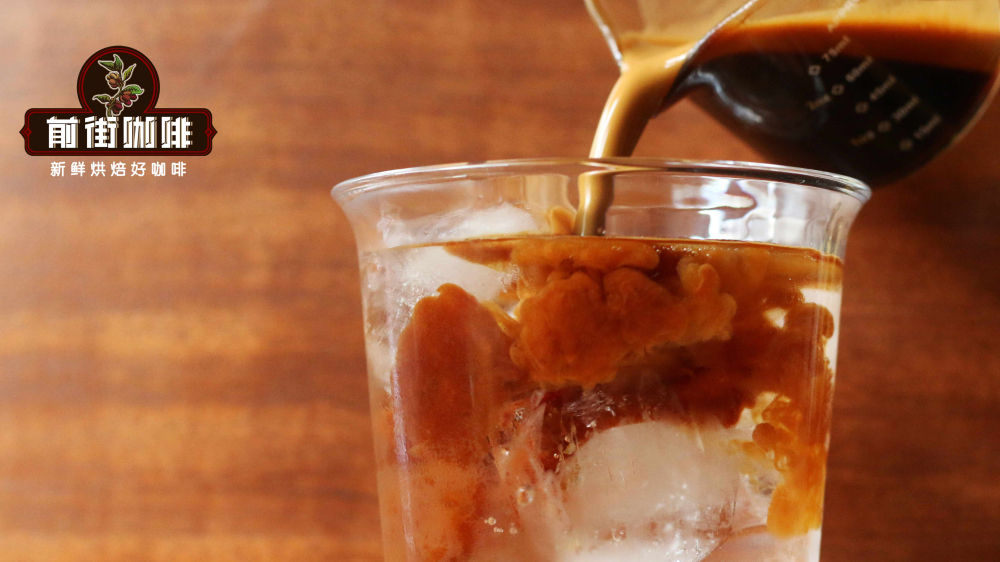
Cold brew coffee falls under the so-called cold steeping technique, which essentially involves steeping coffee grounds in cold (or iced) water for an extended period and then filtering out the grounds. This method has a low barrier to entry—all you need is a refrigerator, coffee grounds, a clean and sufficiently large container (such as a glass bottle), and a tool to filter out the grounds to easily make your own iced coffee at home.
Here’s the basic home brewing process for cold brew coffee:
1. Pour pre-ground coffee into a sealable glass container.
2. Following the recommended coffee-to-water ratio of 1:10, add the appropriate amount of room-temperature or iced water, and stir evenly to ensure the coffee grounds are fully saturated.
3. Seal the container and place it in the refrigerator, letting it sit for 8 to 12 hours to allow the coffee flavors to slowly infuse.
4. After extraction, filter the coffee liquid and pour it into a clean, sealed container for storage in the refrigerator.
Compared to cold brew, ice drip coffee has significantly higher equipment requirements, needing a specially designed ice drip maker. Ice drip makers on the market come in various shapes, with prices ranging from budget options at just a few dozen yuan to high-end models costing several thousand. However, their basic structure typically consists of three main parts: a water reservoir with an adjustable valve for controlling the dripping speed of ice water, a middle filter basket where the coffee grounds are placed, and a bottom collection chamber that catches the dripped coffee liquid.
The principle of ice drip is to let ice water slowly seep through the layer of coffee grounds, extracting soluble flavor compounds, and relying on gravity to slowly drip the coffee liquid into the lower chamber. Throughout the process, the ice water remains at a low temperature, and the extremely slow dripping speed (averaging about 1 to 2 drops per second) greatly extends the extraction time. This helps the flavor compounds release more fully and steadily, while effectively suppressing excessive bitterness and off-flavors.
Generally, the coffee-to-water ratio for ice drip is about 1:10—for example, using 60 grams of coffee grounds to make 600 milliliters of coffee liquid. The dripping speed is usually controlled at around 7 to 8 drops every 10 seconds. Since the ice water is not left to steep the coffee grounds for long periods but rather continuously drips and renews, making it a dynamic extraction process, ice drip coffee often has a clearer and cleaner taste compared to the static steeping of cold brew, with fewer impurities and over-extracted flavors.
Additionally, it’s usually recommended to let the finished ice drip coffee undergo a period of low-temperature maturation, letting the liquid sit in the refrigerator for at least 8 hours to allow the flavors to further blend and ferment, creating the unique "ice drip flavor"—that distinctive aftertaste and layered complexity many enthusiasts seek. Once matured, you can adjust the concentration to your liking by adding ice cubes and enjoy a refreshing, well-layered cup of ice drip coffee.
The above content is compiled by CoffeeHunters, a coffee news website.


