







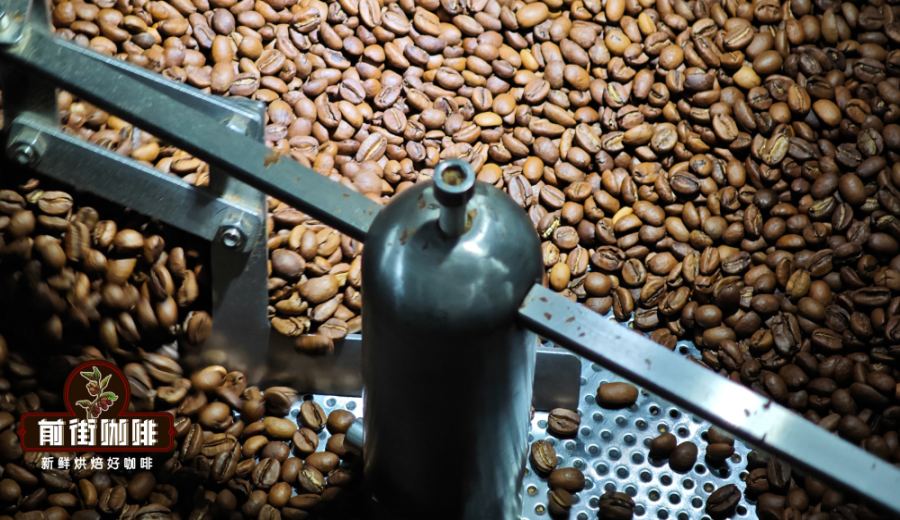
Introduction:Did you know that the difference between dark roast and medium roast coffee isn’t just about color shade? It actually stems from the chemical changes during roasting, specifically the Maillard reaction and caramelization. This article breaks down in simple terms how these two key reactions shape the acidity, sweetness, bitterness, and body of coffee, and guides you through how different roast levels—such as medium-dark and medium—affect flavor. We’ve also included real-world examples of classic coffee beans and practical pour over parameters to help you find the roast depth and bean type that suits your taste.
After being roasted at high temperatures, green coffee beans release captivating aromas and complex layers, thanks to the chemical transformations that occur during roasting. Among these, the Maillard reaction and caramelization are the two core processes that significantly influence coffee’s flavor, color, and mouthfeel. Understanding these reactions helps you better grasp the differences brought by various roast levels (e.g., medium, medium-dark, dark), allowing you to select the coffee beans that best match your palate.
[The Maillard Reaction: The Foundation of Coffee Color and Body]
This reaction typically begins around 150°C. At this point, the coffee beans are still in an endothermic (heat-absorbing) phase, after which they release heat, prompting a chemical reaction between carbohydrates and amino acids within the beans. This leads to changes in color, taste, and nutritional content. This reaction produces a large amount of melanoidins, gradually turning the coffee beans into the familiar brown hue while also greatly impacting the coffee’s body and overall mouthfeel. Notably, the duration of the Maillard reaction is extremely critical—if prolonged excessively, it can degrade acidity and fruitiness, causing the coffee to lose its desired brightness. However, with proper control, it can preserve subtle layers of sweetness and fruity acidity. In practice, many professional roasters adjust the duration and intensity of this reaction based on the desired flavor profile, thereby shaping distinct coffee personalities.
[Caramelization: The Key to Enhancing Sweetness and Aroma]
When the temperature rises further to around 170°C, complex carbohydrates begin breaking down into smaller sugar molecules—this is caramelization. This not only helps boost the coffee’s sweetness but also produces pleasant aromas such as caramel, cream, and almond notes. This reaction continues until the end of the roast and plays a vital role in the final flavor of the coffee. In short, the Maillard reaction and caramelization together create the unique charm of roasted coffee—from aroma and sweetness to acidity and body, all are closely tied to these two reactions.
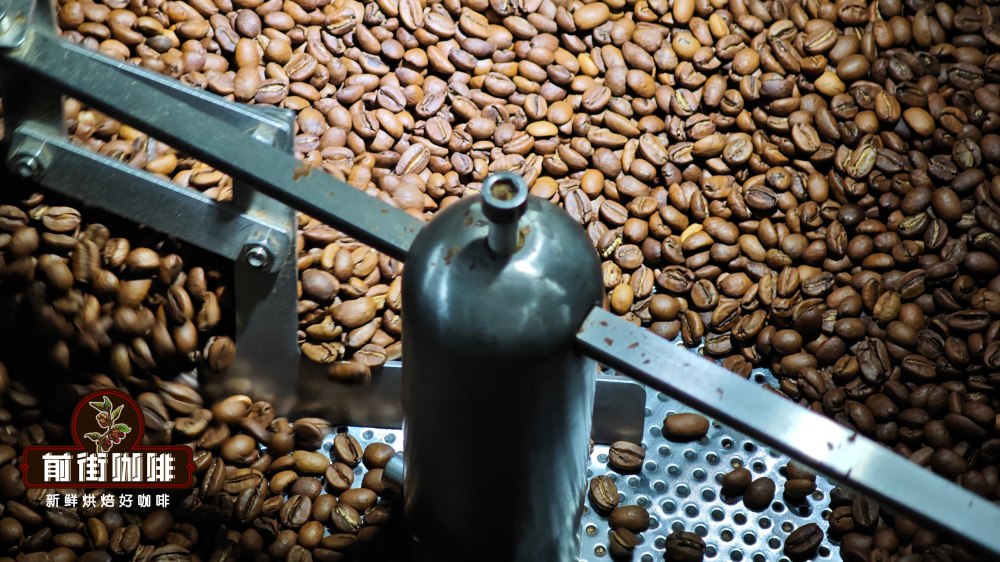
Many believe that among the factors influencing a cup of coffee’s performance, green bean quality accounts for about 70%, roast level for 20%, and brewing technique for 10%. This highlights the significant impact of the roasting stage on coffee flavor. The same coffee bean can present completely different profiles depending on its roast degree: from bright and refreshing medium roasts to rich and full-bodied dark roasts. Choosing the right roast level is the first step toward enjoying the diversity of coffee.
[Medium Roast & Medium-Dark Roast: The Balanced Choice Preserving Acidity and Aroma]
Medium roast coffee is typically dropped just between the first crack’s peak and its end, with the beans displaying a beautiful chestnut hue. Its flavor profile is refreshing, with slight acidity and mild bitterness, and clear yet layered aromas, making it highly suitable for making Americano or as the base for blends. This roast level preserves the original regional characteristics of the coffee beans and is the top choice for many coffee lovers who enjoy fruity and floral notes.
[Dark Roast: The Representative of Rich, Bold, and Caramelized Flavors]
Take, for example, a dark roast coffee bean from the Aceh region of Sumatra, processed by PWN using the traditional wet-hulled method, of the Ateng variety. This bean offers a multi-layered flavor profile, bold yet clean, with intense nutty and caramel aromas, along with chocolatey undertones and a long-lasting finish, achieving excellent overall balance. It’s ideal for those who prefer strong flavors and low-acidity coffee.
Another example is a coffee bean from the Clifton Estate in Jamaica’s Blue Mountains, grown at an altitude of approximately 1310 meters, washed processed, of the Typica variety, and medium-dark roasted. Its flavor is exceptionally clean and mild, with a pronounced chocolate sweetness, an outstanding balance among acidity, bitterness, and sweetness, and a lingering fruity finish—making it a classic among many seasoned coffee enthusiasts.
As for a coffee bean from the Sidama region, grown at around 1000 meters altitude, semi-washed processed, of the Red Bourbon variety, and medium roasted. This bean has a balanced flavor with the typical profile of Brazilian coffee, featuring prominent nutty and chocolate notes along with a distinct cane sugar sweetness. It’s well-suited for users who enjoy a mellow and full-bodied taste.
[Practical Pour Over Parameter Suggestions]
Coffee dose: 15 grams
Coffee-to-water ratio: 1:15
Brew water temperature: 86°C
Grind size: Medium-coarse (approximately 75% passing through a standard #20 sieve)
Filter: KONO
Pour over technique:
Start by pouring 30 grams of water for a 30-second bloom, then pour in a circular motion up to 125 grams. Once the water level drops by about half, continue pouring up to 225 grams. Total brew time should be controlled around 2 minutes and 10 seconds. These parameters are suitable for most medium-dark to medium roast coffee beans and effectively highlight their flavor layers and full body.
Whether you’re a beginner or an experienced coffee enthusiast, understanding the chemical changes during roasting and how different roast levels affect flavor can help you choose the right coffee beans and brewing methods more precisely, allowing you to enjoy the unique charm of every cup.
The above content is compiled by CoffeeHunters, a coffee news website.


