







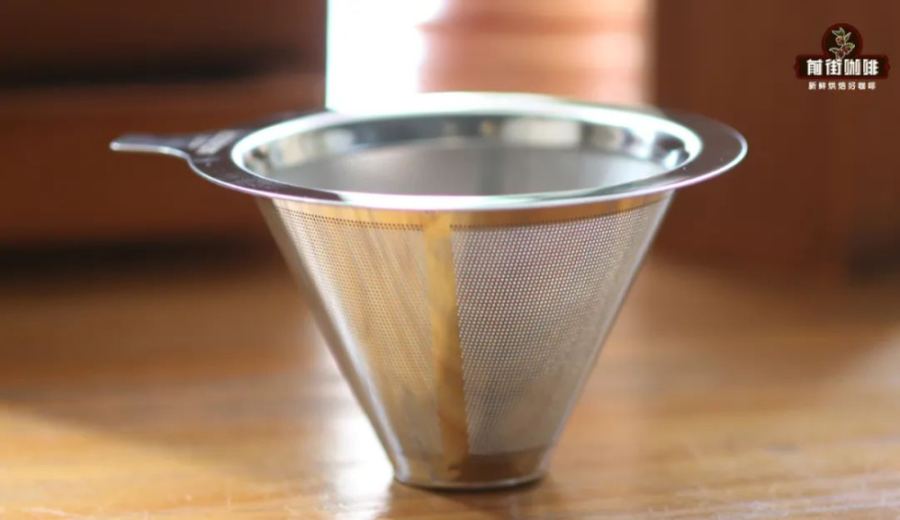
Introduction:Most pour over coffee is brewed using paper filters, but metal filters can actually be a great alternative. This article puts a 400-mesh double-layer metal filter to the test, analyzing its structural design and extraction characteristics, and comparing its flavor profile with that of paper filters. Whether you’re aiming for a richer cup or looking to reduce consumables, this practical guide will help you make a more suitable choice.
In the world of pour over coffee, paper filters have always been the most common brewing tool, but they’re by no means the only option. In addition to the well-known cloth filters, metal filters have gradually gained attention—especially among coffee enthusiasts seeking a fuller-bodied cup. In this test, we take a close look at a popular 400-mesh double-layer metal filter on the market. From its design and construction to its actual extraction performance, we explore whether it can serve as a practical alternative to paper filters and what unique flavor characteristics it brings.
Although not as widely used as paper filters, metal filters have actually been around for quite some time. Unlike paper filters, which remove the vast majority of fine coffee particles, metal filters allow more micro-grounds to pass through, thereby influencing the body and intensity of the coffee. The 400-mesh metal filter used in this test is of medium-high density, effectively filtering out larger coffee grounds while still letting some fine particles into the cup—resulting in a richer mouthfeel.
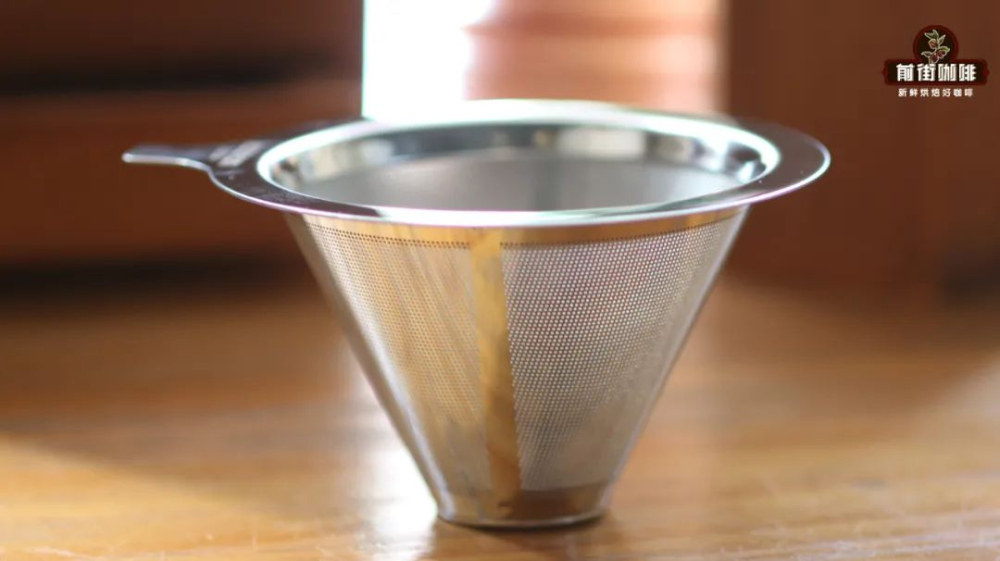
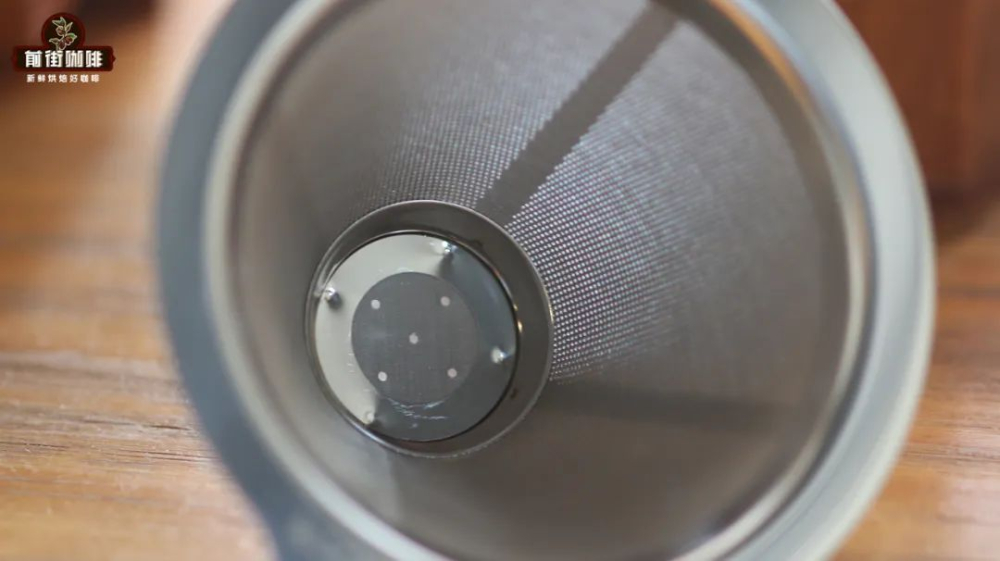
This metal filter features a conical design with a slightly flat base, and is structured with two layers: an inner layer made of fine 400-mesh metal mesh that handles the primary filtration, and an outer layer that serves as a sturdy support structure. This ensures the filter maintains its shape during brewing, preventing deformation due to water pressure or improper handling. This double-layer design not only enhances durability but also promotes more even water flow during brewing.
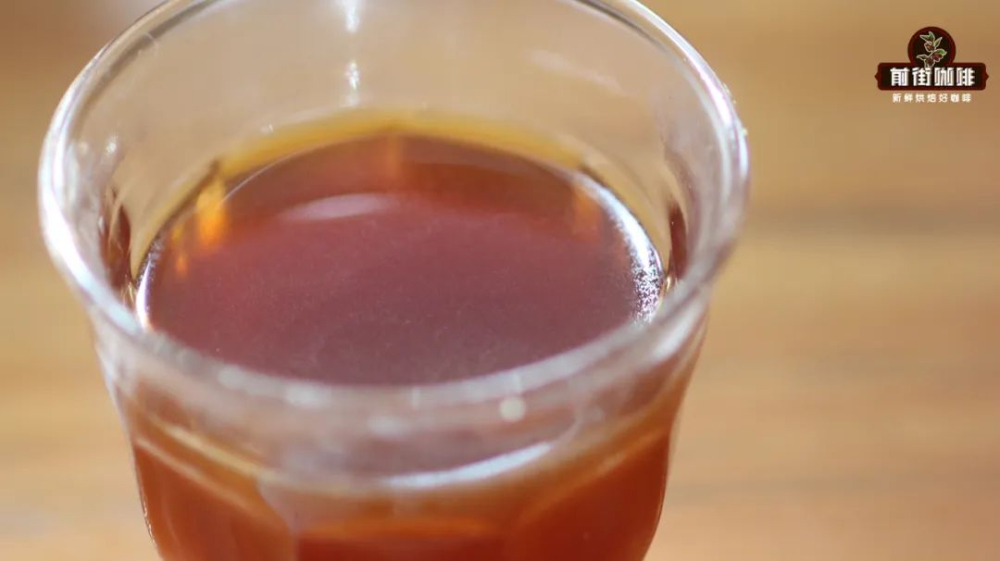
In actual use, the most noticeable difference between a metal filter and a paper filter lies in the mouthfeel of the brewed coffee. Since metal filters don’t fully trap fine particles, the resulting coffee often contains more suspended coffee grounds. These tiny particles can add a sense of fullness and a richer flavor to the cup, making it especially appealing to those who prefer a bold taste. However, these fine particles also mean the coffee is less clear, which may not be ideal for drinkers who prioritize a clean, bright cup.
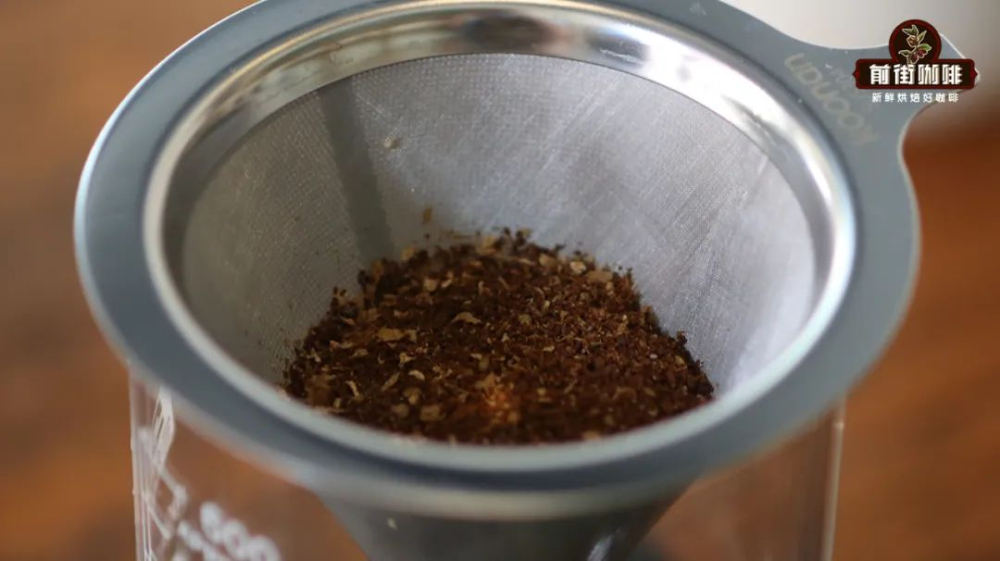
Additionally, metal filters offer clear advantages in terms of cleaning and reusability. After each use, simply rinse them with water and periodically give them a deeper clean with a soft brush or a baking soda solution to maintain good filtration performance. Compared to paper filters—which need to be replaced after each brew—metal filters can save costs and reduce waste in the long run. However, when first using a metal filter, its initial flavor might be affected by residual oils or particles on the surface. It’s recommended to rinse it thoroughly with hot water or go through a “seasoning” process to achieve optimal extraction results.
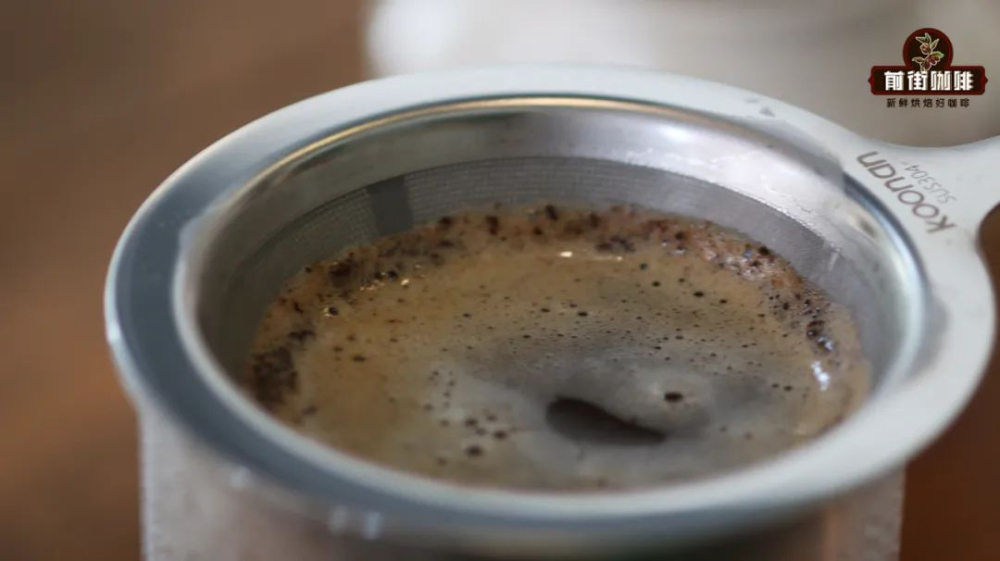
From an extraction parameter perspective, when using a metal filter, it’s advisable to adjust the grind size slightly finer to compensate for potential under-extraction caused by the larger filter pores. Generally, setting the grind to a medium-fine to fine level, along with a moderate water temperature (around 90–93°C), can more effectively bring out the aroma and layered flavors of the coffee. Additionally, the flow rate and pouring technique should also be slightly adjusted according to the characteristics of the filter—center-pouring with controlled flow rate is recommended to maintain stable extraction pressure.
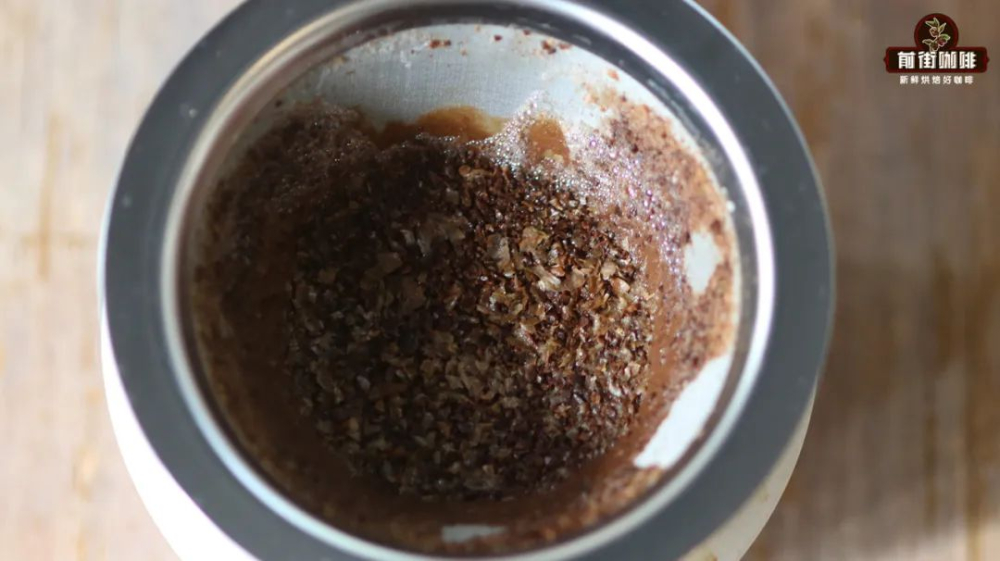
In summary, the 400-mesh double-layer metal filter does offer a different brewing experience compared to paper filters, particularly appealing to coffee lovers who prefer a richer cup and want to reduce their use of paper filters. While it may not match the clarity and fine particle control of paper filters, with proper adjustments to grind size and brewing techniques, it can still produce a flavorful and well-balanced pour over coffee. If you’re looking to change up your brewing method, give the metal filter a try—it might just bring an unexpected delight to your daily coffee routine.
The above content is compiled by CoffeeHunters, a coffee news website.


