








Introduction:Want to brew a rich yet smooth cold pour-over coffee at home, but always troubled by the diluted and flat taste after ice melts? This guide will help you master the golden ratio and grind size for cold pour-over, and take an in-depth look at the three-stage pouring technique and the "one-pour" quick method by Tetsu Kasuya. Adjust like a pro to create complex, high-quality iced coffee flavors — no more watered-down disappointment.
In the peak of summer, a refreshing cup of cold pour-over not only cools you down instantly but also delivers unique bright acidity and a sweet lingering finish. Yet many coffee enthusiasts at home find their iced brews suffering from watered-down flavor and thin body due to ice dilution. In fact, with the right coffee-to-water ratio and grind setting, paired with an appropriate pouring technique, you can easily avoid overly watery results and brew a rich, layered iced coffee.
Common cold pour-over methods often start with a hot pour-over recipe, then add ice for cooling. But without adjusting the recipe, the melting ice can dilute the overall concentration, resulting in a flat-tasting brew. That’s why we recommend using the “golden ratio”: coffee grounds (medium-fine grind suggested) + 10 parts hot water + 5 parts ice. This combo preserves extraction quality while providing chill, and has been proven effective by many professional cafés.
Compared to traditional hot pour-over, the key difference in cold pour-over is how the addition of ice changes the overall brewing environment. Since some of the hot water is used to melt the ice, less hot water is actually poured over the coffee. If you keep the same grind size, the contact time is greatly shortened, which can lead to under-extraction — meaning the coffee may have decent strength but lacks complexity or tastes weak. Therefore, **it’s recommended to fine-tune your grind about 0.5–1 level finer (for example, adjust EK43s from 10 to 9–9.5, or C40 from 24 to 22)** to extend the total brew time to 1 minute 50 seconds to 2 minutes, helping to fully express the coffee's flavors.
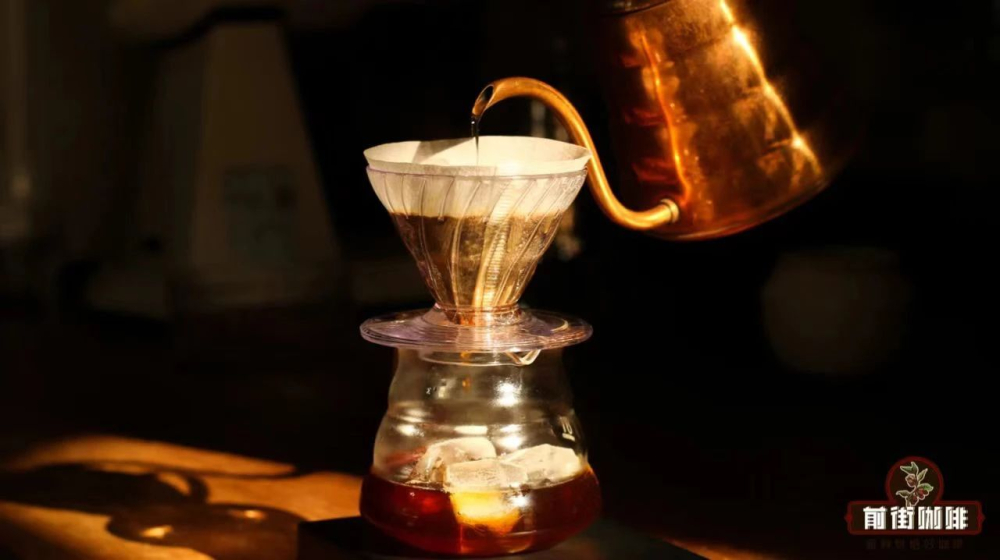
In practice, you can use the classic three-stage pouring technique to steadily control water temperature and flow rate, gradually highlighting the coffee’s multi-layered profile. First, place pre-prepared ice cubes in the server (adding ice before or after brewing doesn’t significantly affect the final flavor). Then add 15 grams of medium-fine ground coffee. First, pour 30 grams of hot water using a slow, circular motion from the center outward for the bloom, letting it sit for about 30 seconds. Second, pour another 60 grams of hot water using the same method. When the water level in the filter is about to finish dripping, pour the remaining 60 grams of hot water. After completing all the pours, wait for the brew to fully drain. The total brew time should be controlled between 1 minute 50 seconds and 2 minutes for optimal balance.

If you find the above method too complicated, there’s also the “one-pour” cold pour-over method developed by renowned barista Tetsu Kasuya — minimal steps, maximum flavor. This approach simply involves putting the coffee grounds directly into the filter, pouring hot water all at once, and letting the ice in the server melt slowly, greatly streamlining the process. Suggested grind settings are around 7 on the EK43s, or 18–19 on the C40. After pouring the hot water, let it sit, then remove the filter and gently shake the server until the ice fully melts. You’ll enjoy a smooth-bodied, softly acidic cold pour-over with a sweet, satisfying finish.
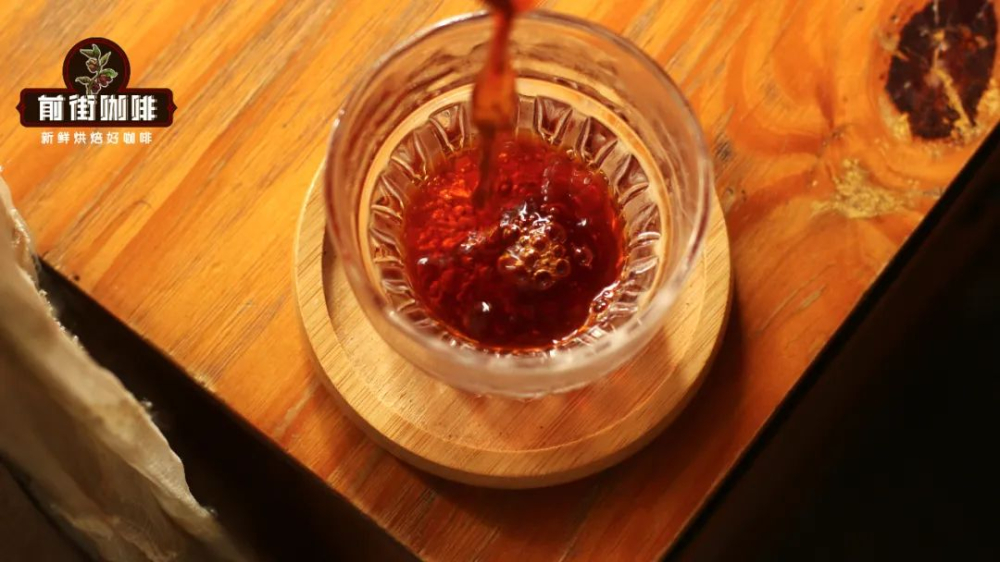
This “one-pour” method not only saves time but also makes it easier to control overall concentration. If you find the flavor too intense, you can always add 1–2 extra ice cubes to your taste. Coffee brewed this way often carries complex aromas such as cinnamon, liquor-chocolate, peach, and even Darjeeling tea notes — perfect for those who enjoy layered, mellow profiles. As long as you get the coffee-to-water ratio and grind details right, whether using the three-stage or one-pour method, you can easily recreate café-quality cold pour-over experiences at home.
The above content is compiled by CoffeeHunters, a coffee news website.


